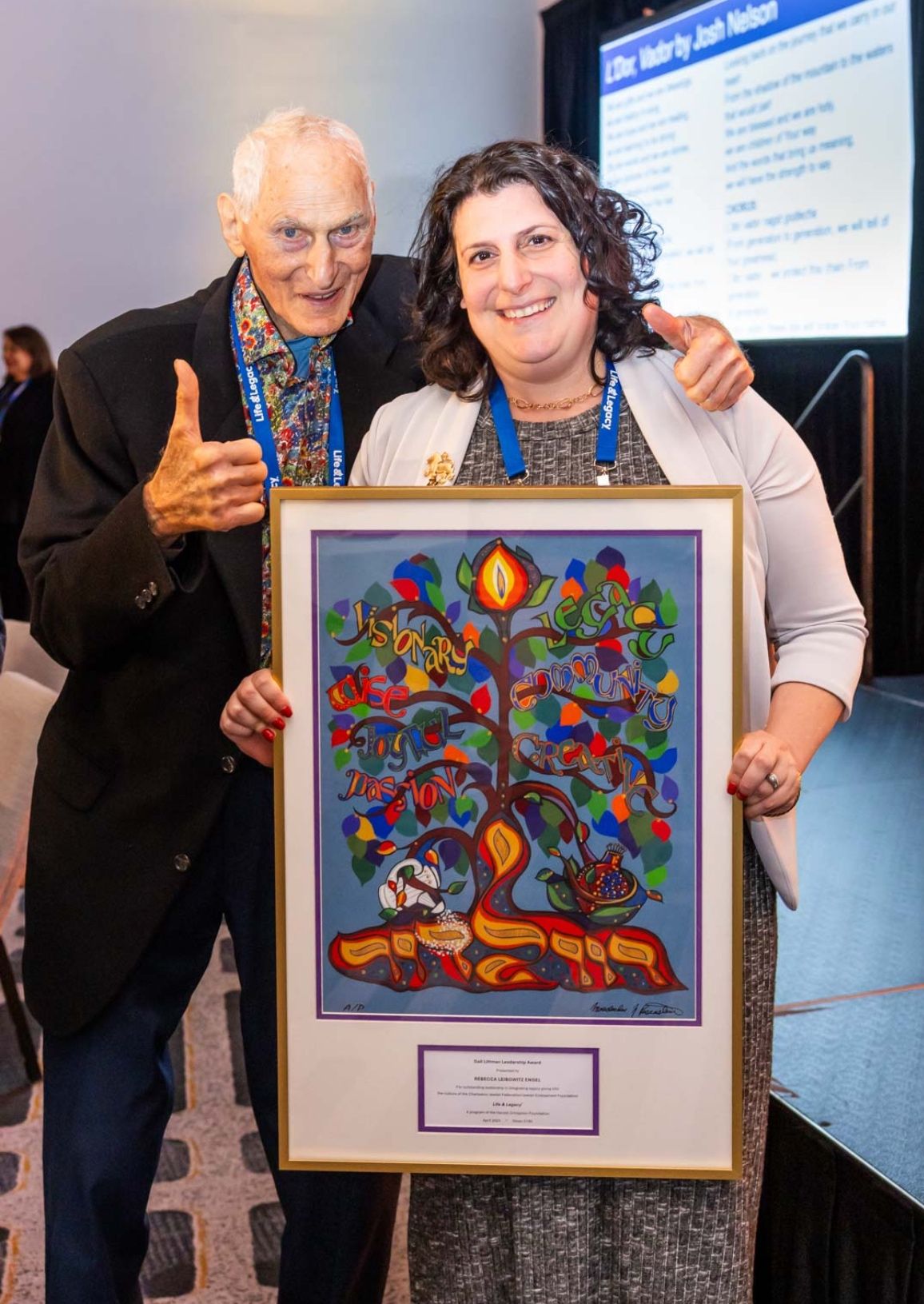
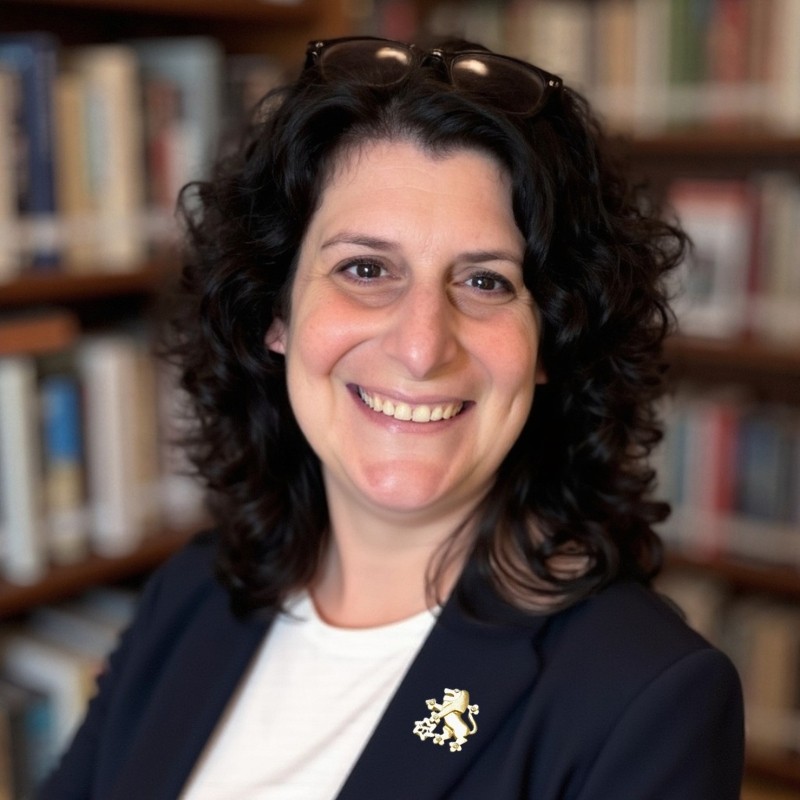
Today we’d like to introduce you to Rebecca Engel.
Alright, so thank you so much for sharing your story and insight with our readers. To kick things off, can you tell us a bit about how you got started?
I grew up immersed in Jewish communal life—institutions, programs, and traditions that felt permanent and almost effortless. I’m a fourth-generation Jewish Charlestonian, and my children represent the fifth generation of our family rooted in Charleston, home to the oldest continuous Jewish community in the United States. My ancestors were part of building that community, serving in leadership and philanthropic roles that helped shape the direction of our community for years to come.
I spent much of my childhood growing up in the Northeast, but when I returned to Charleston over a decade ago, it felt less like a move and more like a homecoming. It was both an honor and a responsibility to step back into a community my family had helped build—not to replicate the past, but to help ensure its future.
That sense of responsibility deepened as I stepped into community leadership myself. I began to understand that the spaces and programs I loved didn’t just exist—they were someone’s legacy. Built with intention, sustained through care, and vulnerable without new stewards willing to invest forward. That realization marked a shift for me: from legacy receiver to legacy builder.
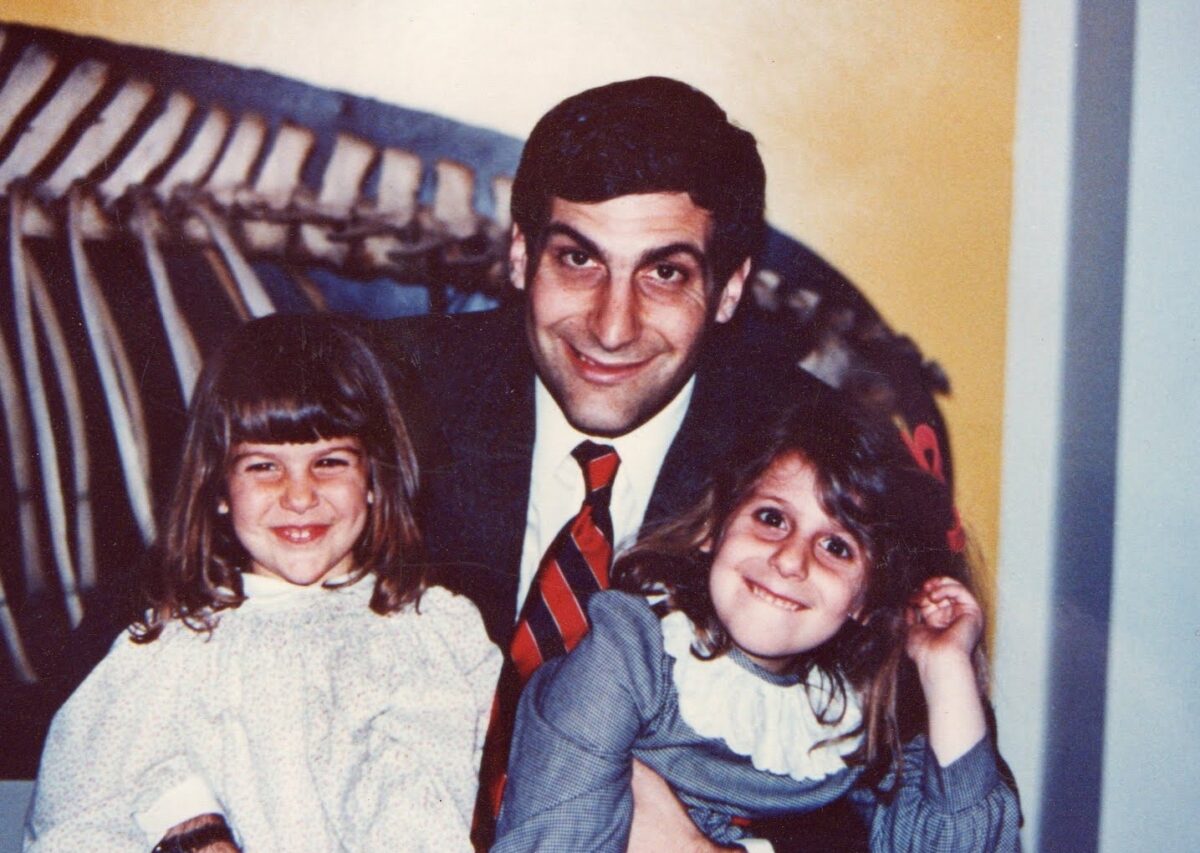
That understanding became deeply personal when I transitioned into my current role while mourning the loss of my father in an aviation accident. Experiencing grief alongside professional responsibility changed how I understood legacy entirely. Jewish ritual helped give shape to my mourning, but legacy work gave it direction—transforming loss into purpose and memory into action.
Today, I serve as the Director of Legacy Giving & Impact at the Jewish Endowment Foundation of South Carolina, under the auspices of the Coastal Community Foundation. My work allows me to bring together strategy, relationships, and values—helping individuals and institutions translate what matters most to them into lasting impact while strengthening Jewish life across the state.
Can you talk to us a bit about the challenges and lessons you’ve learned along the way. Looking back would you say it’s been easy or smooth in retrospect?
It hasn’t been smooth or linear—professionally or personally. Legacy and planned giving require long-term thinking in a world that often prioritizes immediate outcomes. Progress depends on trust, readiness, and circumstances well beyond any one person’s control, which demands patience and persistence.
Stepping into a leadership role while grieving my father was one of the most formative challenges of my life. Showing up for others while processing my own loss required honesty, vulnerability, and clarity. It reinforced for me that grief doesn’t end—it evolves—and that legacy work often begins in moments of uncertainty.
There were also structural challenges: building systems within a growing organization, navigating evolving workflows, and addressing longstanding misconceptions within parts of the community about community foundation work. This is an ongoing challenge and adventure. These experiences strengthen my strategic thinking, deepen my self-awareness, and sharpen my ability to lead with both steadiness and empathy.
Thanks – so what else should our readers know about your work and what you’re currently focused on?
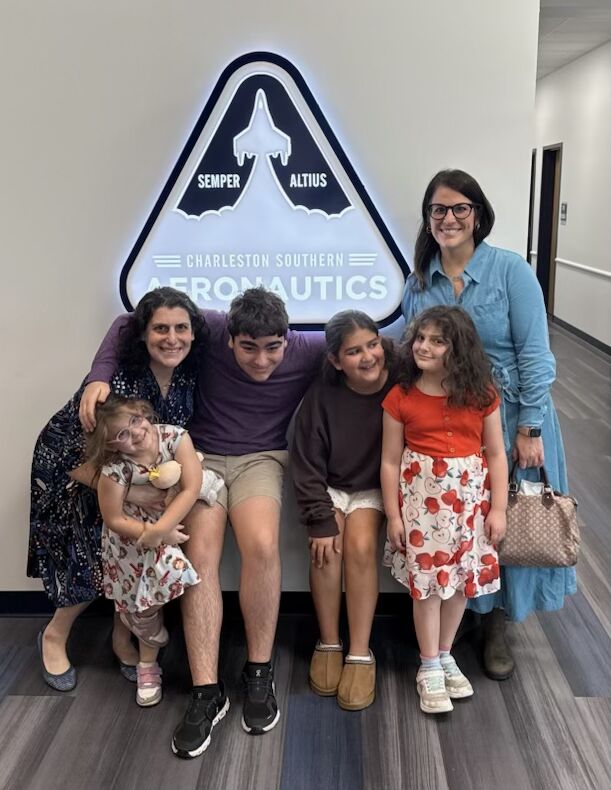
The other day, my seven-year-old daughter asked me what I do for a living. I told her, “In a sense, I help people live forever—by helping them make sure their values live on long after they’re no longer here.” That’s still the simplest and truest way I know how to describe my work.
I specialize in legacy giving, endowment development, and long-term community sustainability. When I work with individuals and families, I help them think beyond annual gifts and consider how their generosity can become a lasting expression of who they are and what they care about. When I work with organizational leadership, I focus on how building designated and organizational endowment funds now is a way to preserve their people, mission, and impact for the long term.
Many board members plan carefully for their own retirement, but few are asked to think about the retirement strategy for the organizations they lead. Financial analysts warn that organizations without meaningful endowment support may face real fiscal vulnerability in the years ahead. At the same time, we are in the midst of the greatest wealth transfer in history, alongside a generational shift in how people want to give. That creates a powerful opportunity to reframe philanthropy—recognizing that transformational giving can’t rely on checking accounts alone.
I’m most proud of the moments when I’ve supported individuals and families—working collaboratively with their financial advisors—to not only support the causes they love, but to “live forever” through endowments that fundamentally strengthen communities. Smaller Jewish communities, like those we have across South Carolina, can be truly transformed by the right gifts, structured with intention and care.
At a broader level, I lead community-wide legacy initiatives, coach organizations on planned giving strategies, and help modernize systems that improve donor experience, operational effectiveness, and values-aligned grantmaking. I’m proud of helping shift organizations from short-term survival to long-term vision, and from transactional fundraising to sustainable philanthropy.
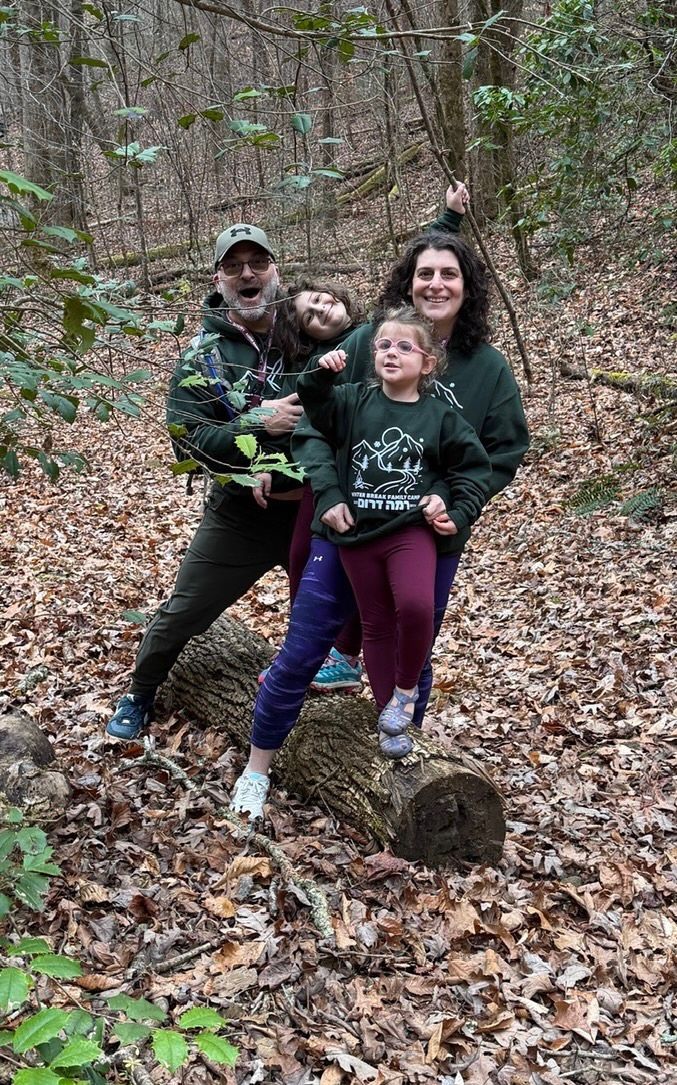
I also believe deeply in leadership by example. In addition to my sister and I creating a legacy fund in memory of my father, my husband and I recently opened our own donor-advised fund through our community foundation. We realized we were making short-term decisions for what is actually a long-term commitment. Opening a donor-advised fund wasn’t just a financial choice—it was a values choice. It allowed us to be more intentional, to let our giving grow over time, and to partner with a community foundation that reinvests directly in the community it serves.
What sets me apart is the integration of strategy and soul. I don’t approach this work as transactional philanthropy. Legacy giving is deeply relational—it’s about memory, meaning, and trust. There’s very little separation between who I am and how I show up professionally, and that alignment builds credibility, connection, and long-term impact.
What does success mean to you?
Success looks like people and institutions working together for the greater good—recognizing that no one builds anything meaningful alone. Community foundations play a critical role by helping individuals give thoughtfully in partnership with their financial advisors, estate attorneys, CPAs, and the charities and communities they care about most.
While endowment growth matters, success isn’t just measured in dollars—it’s measured in relationships. It’s about the compounding of trust, collaboration, and shared responsibility. When donors, professionals, organizations, and communities work together with intention, the impact is exponentially greater.
As a grantmaker,, success has taken on even deeper meaning for me. I never fully appreciated how challenging—and sacred—it is to give money away well. Being a true catalyst for good requires listening deeply, understanding complexity, and offering more than financial support. Our goal is not just to fund organizations, but to strengthen them by leveraging every resource at our disposal—relationships, knowledge, and strategic partnership.
Ultimately, success means being transformational rather than transactional. We are not a bank, and we are not simply philanthropic advisors. We are partners, collaborators, and stewards—helping people turn values into action and ensuring that generosity today builds a stronger, more resilient future for generations to come.
Contact Info:
- LinkedIn: https://www.linkedin.com/in/rebecca-leibowitz-engel-msw-2126732ab/
- Other: https://jefsc.org