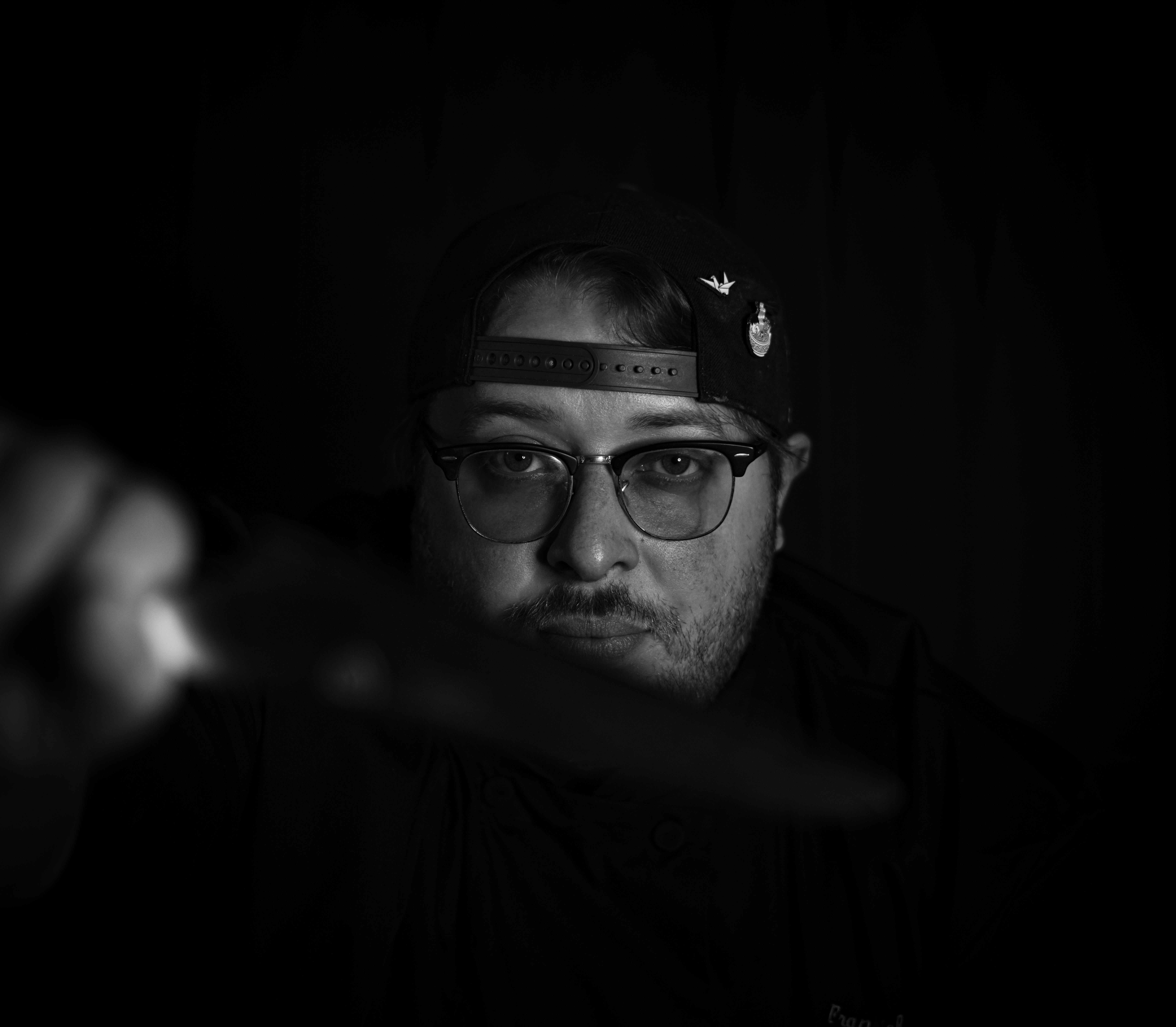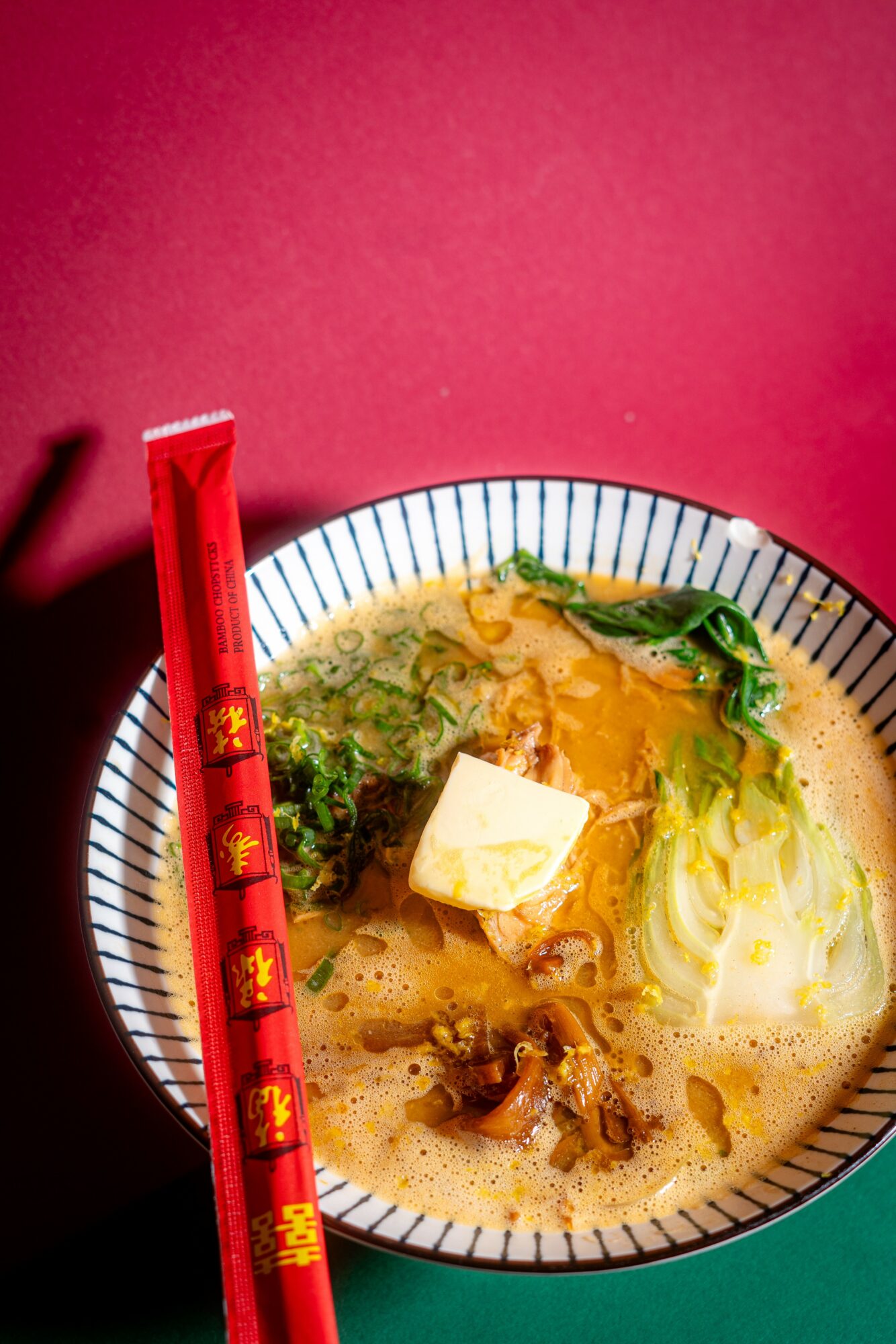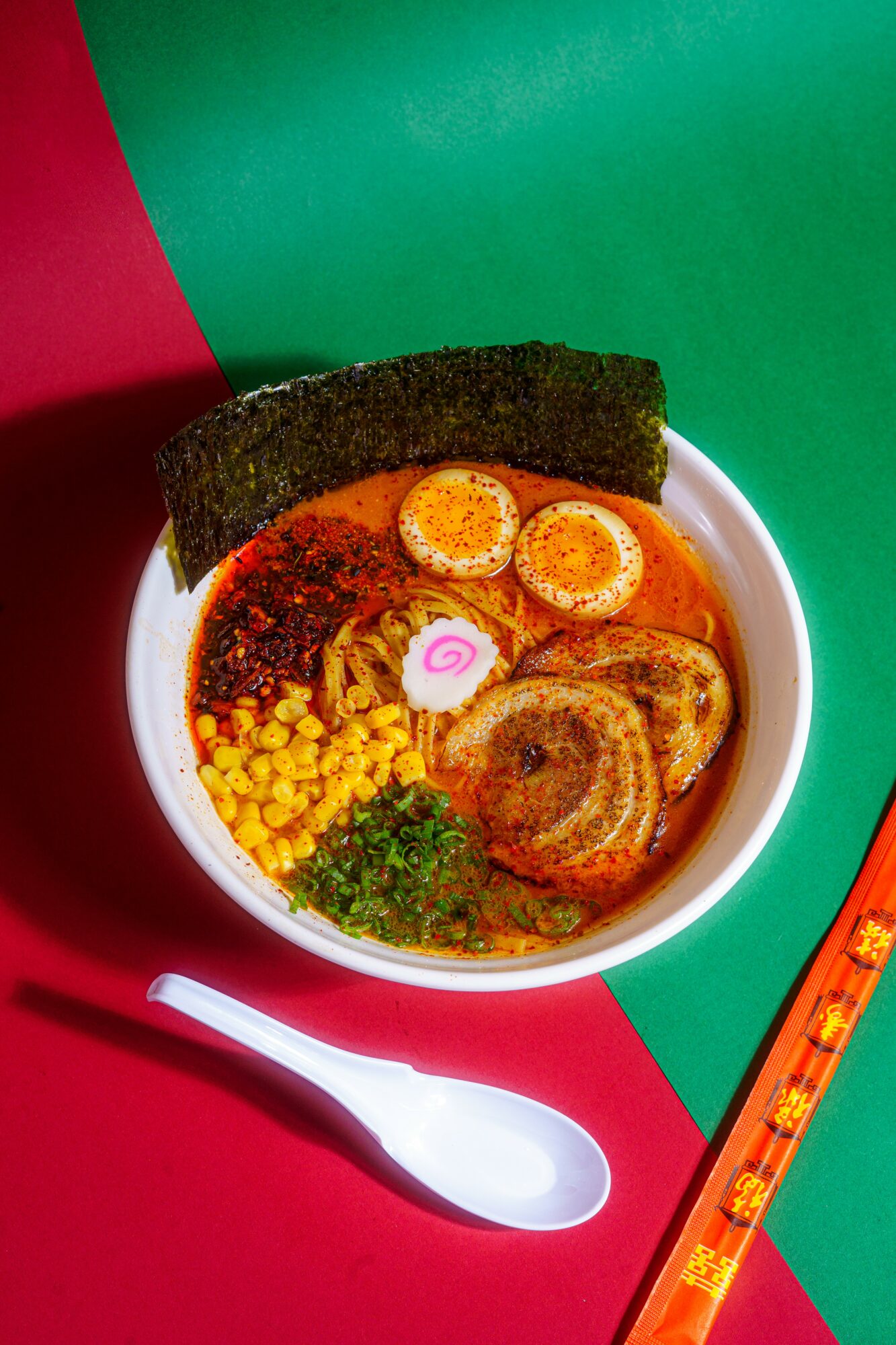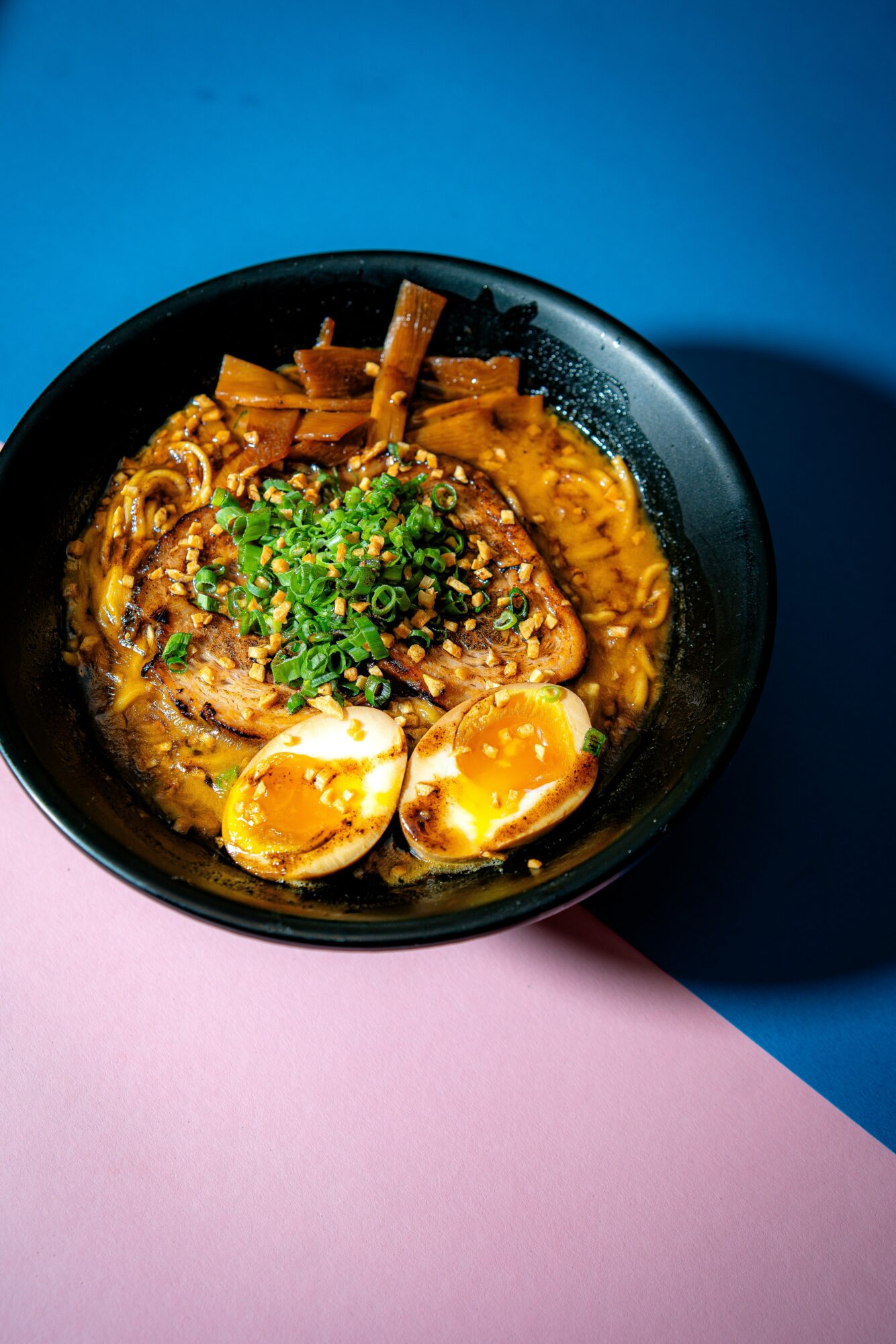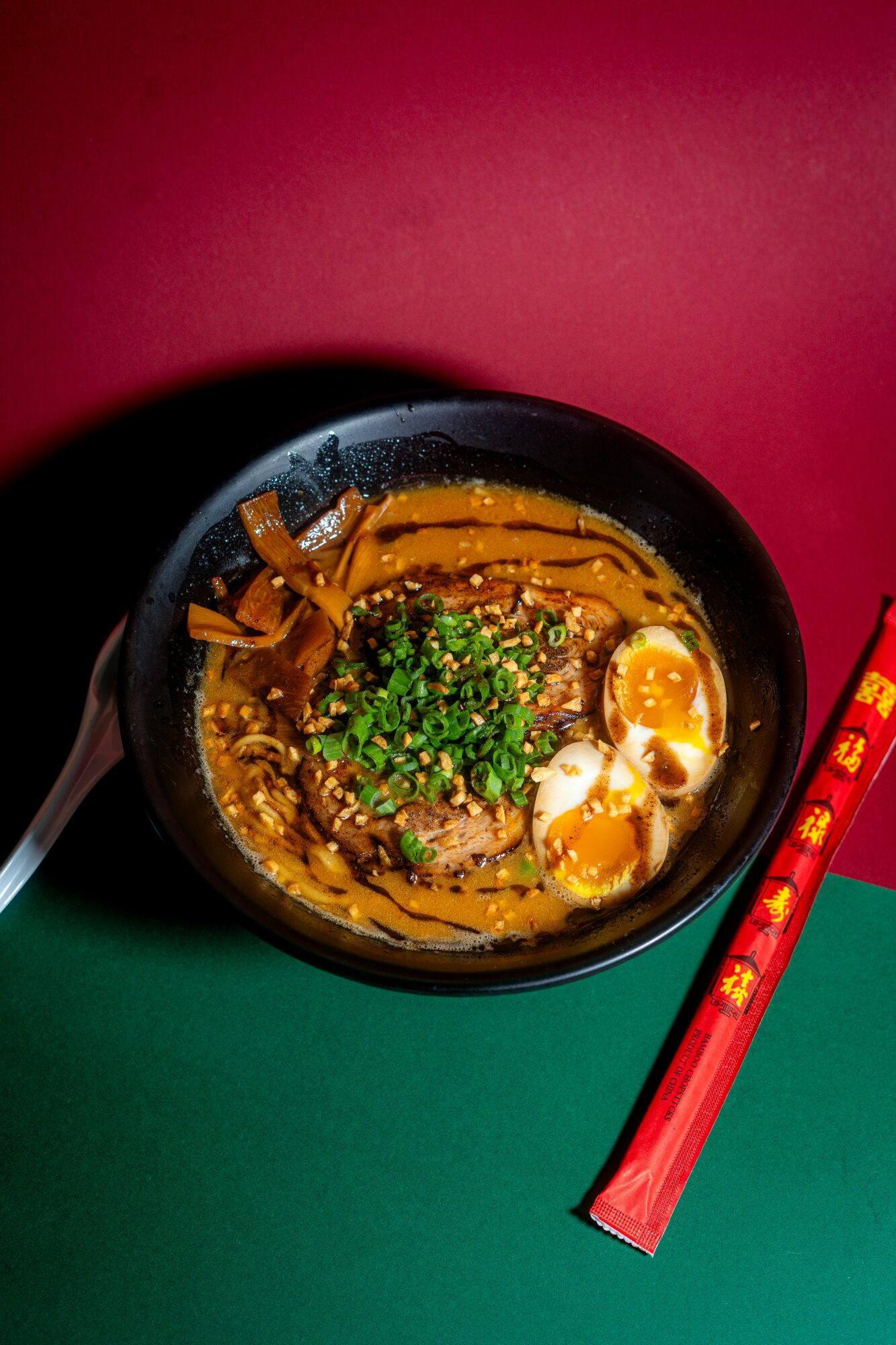
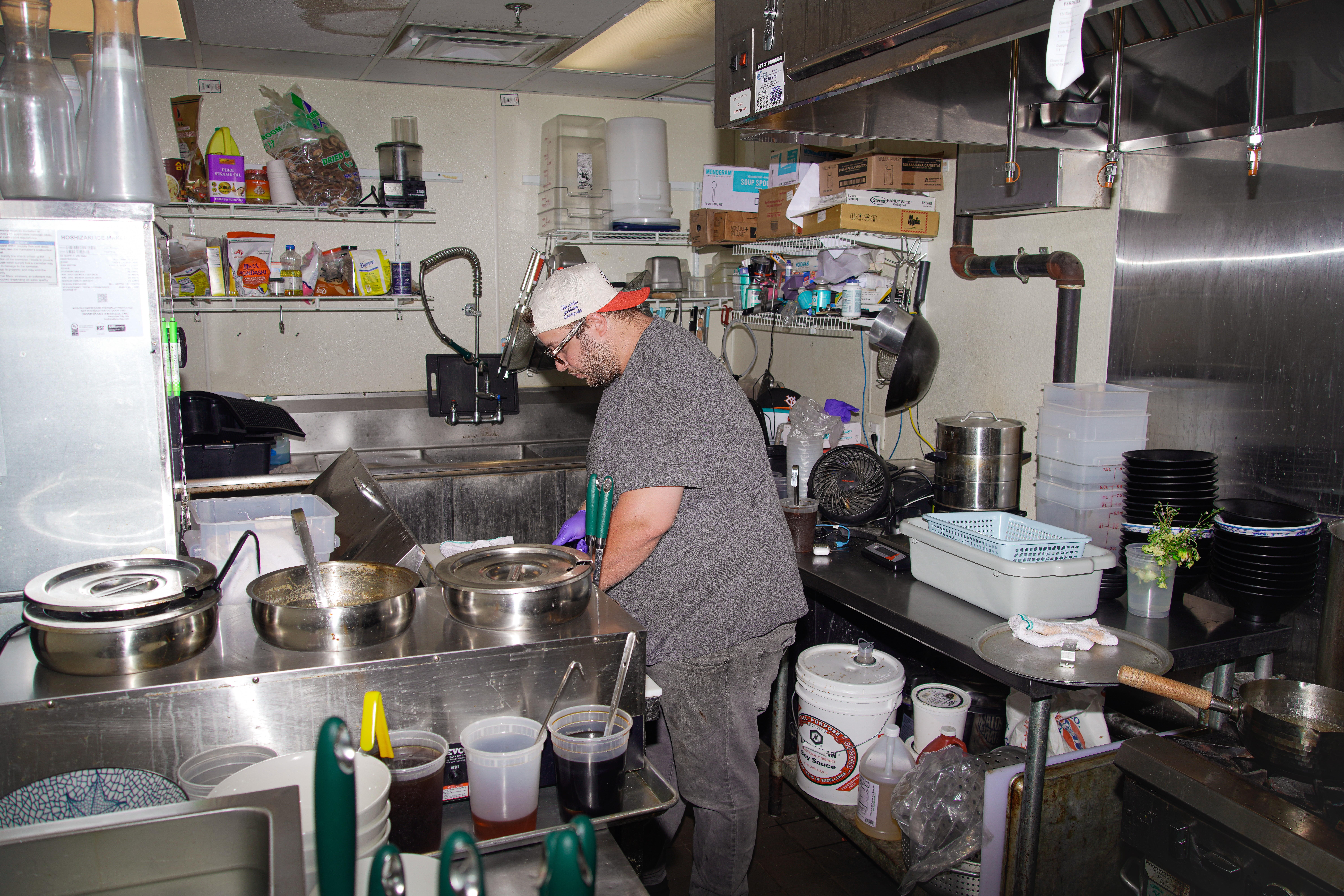
Today we’d like to introduce you to Frankie Ferreira.
Hi Frankie, so excited to have you with us today. What can you tell us about your story?
I didn’t grow up dreaming about ramen.
I grew up watching my parents grind, watching a city that teaches you early how to survive, how to move fast, how to stand your ground. Newark doesn’t romanticize struggle you either learn or you get left behind. Cooking wasn’t a plan at first. It was instinct. It was comfort. It was control in a world that didn’t give you much of it.
Years later, I landed in Charleston with nothing but belief and a stubborn idea in my head. This city doesn’t know what ramen can be yet. Not the kind that grabs you by the chest. Not the kind that tells a story before you even lift the spoon.
So I started chasing a bowl that didn’t exist.
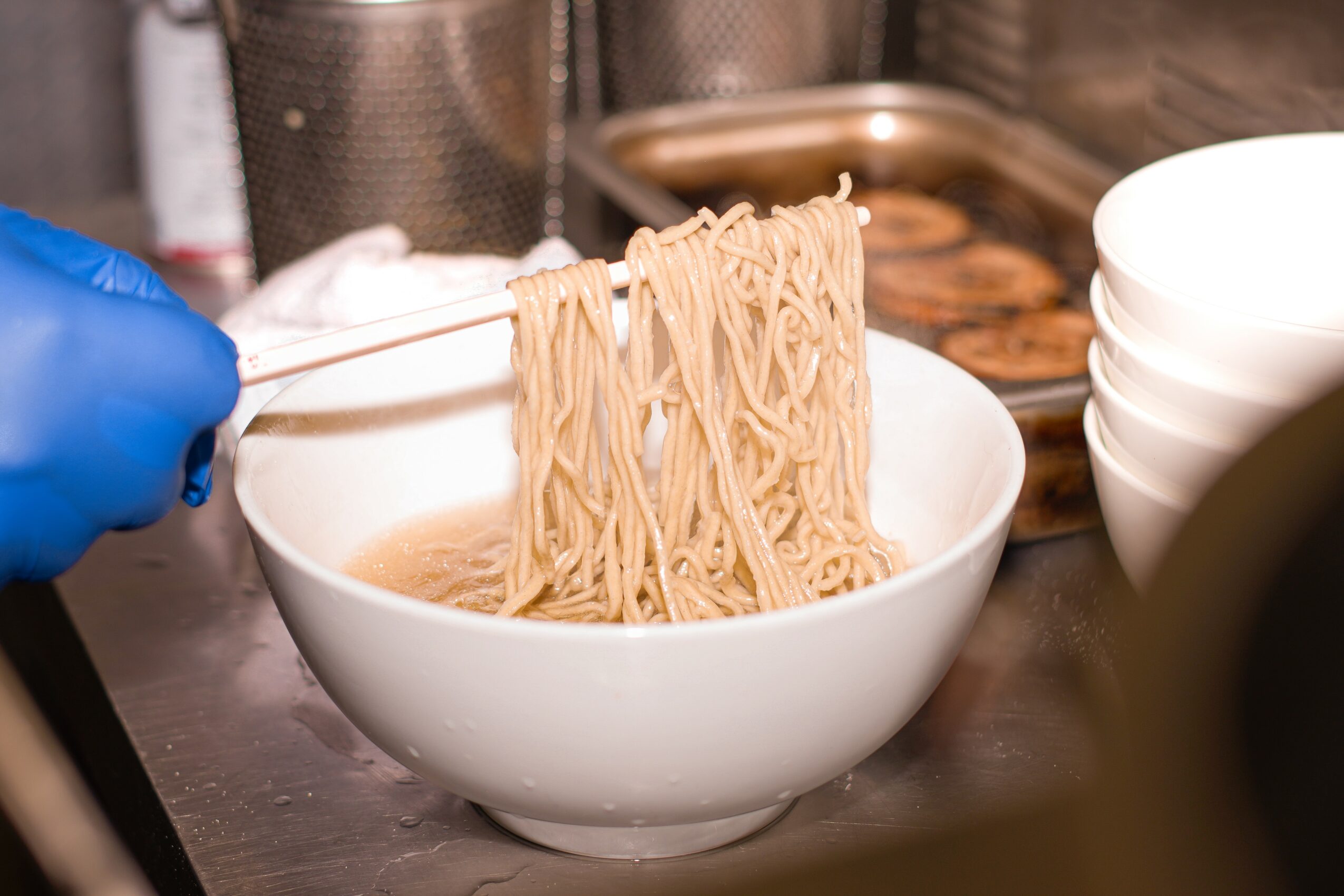
For six months, I cooked ramen every single day. Not for applause. Not for Instagram. For answers. Some days it tasted like sugar and fish. Some days it was a mess. But every failure sharpened my palate and my patience. I learned that ramen isn’t about perfection; it’s about intention. About balance. About knowing when to stop touching something.
I didn’t want to copy Japan. I wanted to talk to it.
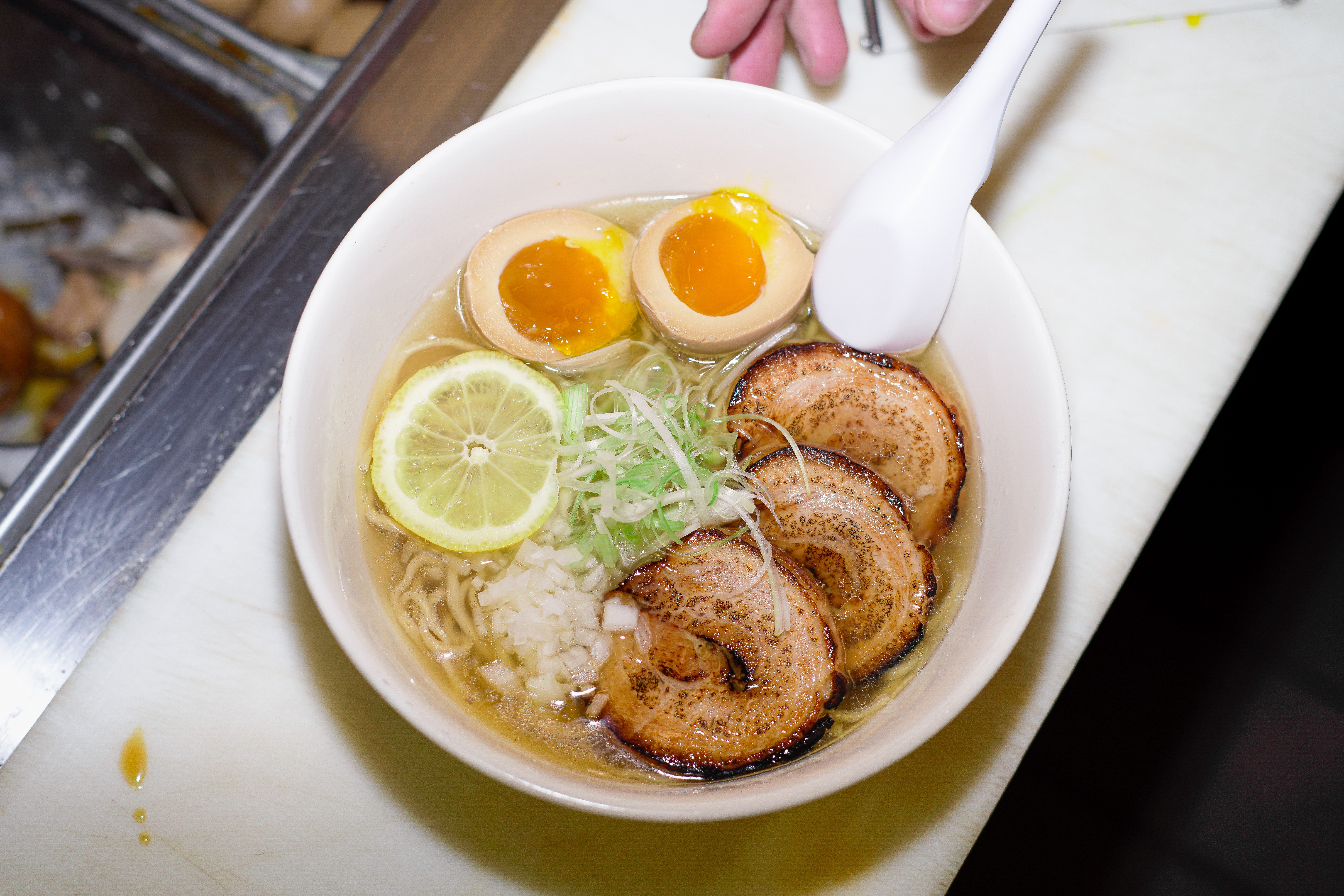
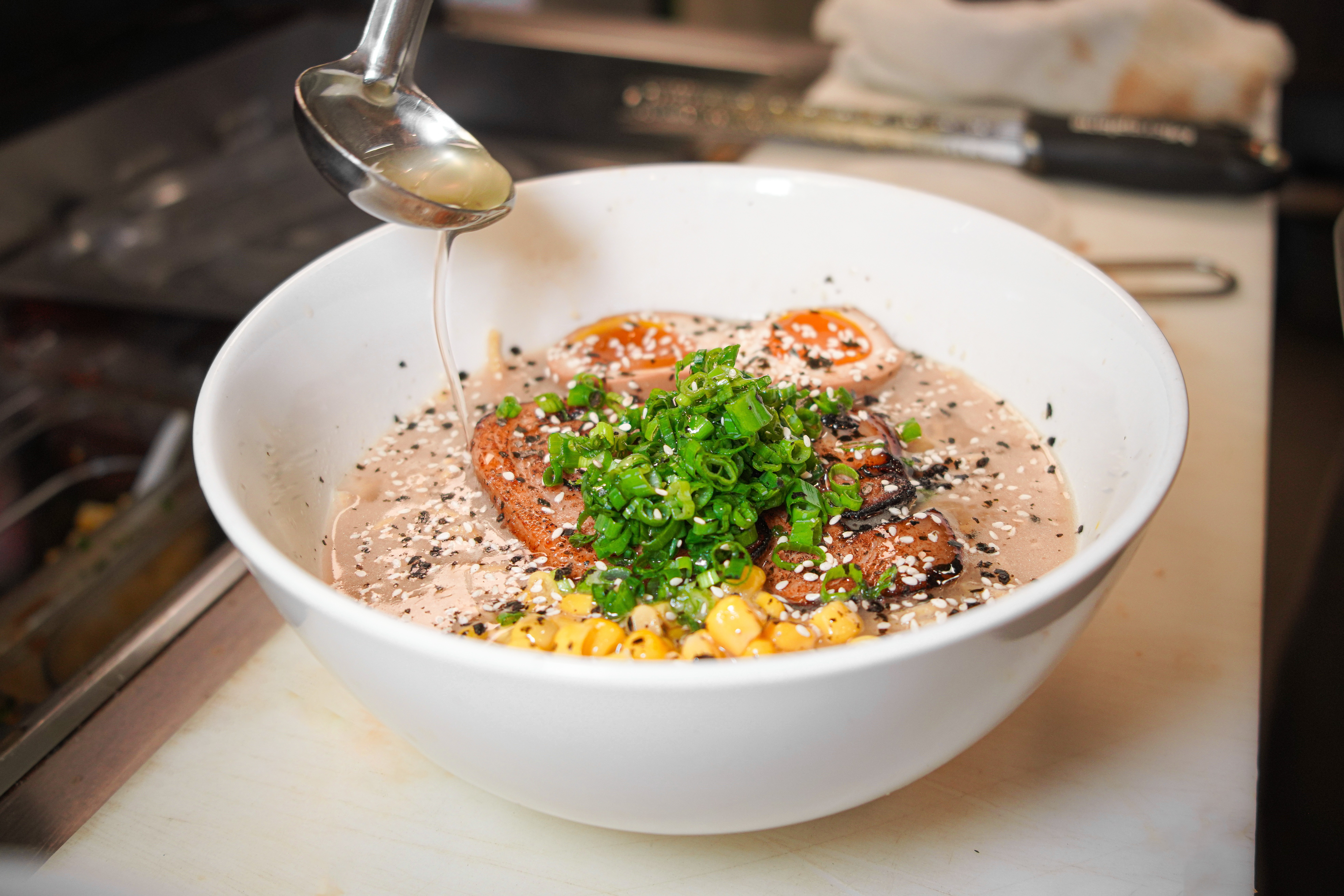
I took what I knew miso, soy, fish sauce, smoke, citrus, fat and filtered it through where I come from and where I live now. Brazilian roots. Newark grit. Charleston ingredients. Late nights. Bar crowds. Conversations over steam and bowls passed across a counter like secrets.
Eventually, people started showing up.
Then they started coming back.
Then they started telling their friends.
Some nights I sell out. Some nights I’m exhausted. Some nights I’m scared it could all disappear tomorrow. But every bowl that leaves my hands has a job to do: shock your senses, slow you down, make you feel something.
I don’t call myself a ramen master.
I’m still learning. Still experimenting. Still lost in the broth.
But I know this much:
Ramen saved me from standing still.
And I’m building something real, one bowl at a time.
Alright, so let’s dig a little deeper into the story – has it been an easy path overall and if not, what were the challenges you’ve had to overcome?
No, it definitely hasn’t been a smooth road.
There were a lot of moments where I questioned whether this was even going to work. Moving to Charleston meant starting over with no built-in network, no safety net, and no guarantee that people would even understand what I was trying to do. Ramen isn’t fast food when it’s done right it’s labor, time, and patience and convincing people of that took time.
Early on, the biggest struggle was consistency and confidence. I was making ramen every day, failing a lot, adjusting constantly, and pouring money and energy into something that wasn’t paying me back yet. There were nights where I sold out and felt on top of the world, and other nights where it was quiet and I wondered if I was chasing the wrong thing.
Another challenge was doing everything myself cooking, sourcing, marketing, pop-ups, late nights, early mornings. It’s easy to burn out when you care this much. But every obstacle forced me to get sharper, more intentional, and more disciplined with my craft.
Looking back, those struggles are the reason the ramen has a voice now. The road wasn’t smooth but it was necessary.
Can you tell our readers more about what you do and what you think sets you apart from others?
I’m a ramen chef, but more than that, I’m a builder. I focus on creating ramen that’s deeply intentional every broth, tare, oil, and topping has a reason for being there. I specialize in rich, layered bowls that balance comfort with intensity, pulling from classic Japanese technique while letting my own background and environment shape the final result.
I’m known for broths that have depth without being heavy, bold miso profiles, and for treating ramen as an experience rather than just a dish. I spend a lot of time developing components from scratch broths that take days, tares that evolve over time, and oils that bring aroma and emotion into the bowl. I want people to taste something familiar but still feel surprised.
What I’m most proud of is building this from the ground up. No investors, no shortcuts just showing up every week, refining the craft, and earning trust one bowl at a time. Seeing people come back, bring friends, and tell me it’s the best ramen they’ve had means more to me than any title.
What sets me apart is that I’m not trying to copy anyone. I’m not chasing trends or trying to recreate Japan plate-for-plate. I’m having a conversation with tradition and filtering it through my own story Brazilian roots, East Coast grit, and Charleston ingredients. That’s where my ramen lives, and that’s what makes it mine.
Alright, so to wrap up, is there anything else you’d like to share with us?
I’d just say this: ramen, for me, has always been about connection. It’s about slowing people down, even for a few minutes, and giving them something that feels thoughtful and real. Every bowl I serve is an invitation to sit, to talk, to be present.
I’m still learning, still experimenting, and still chasing a better bowl. None of this exists without the people who show up, support local food, and believe in chefs who are building things from the ground up. I’m grateful for that every day.
If people take anything away from my work, I hope it’s that food doesn’t have to be complicated to be meaningful it just has to be honest.
Contact Info:
- Website: https://frankieramen.com
- Instagram: https://www.instagram.com/frankieramen/