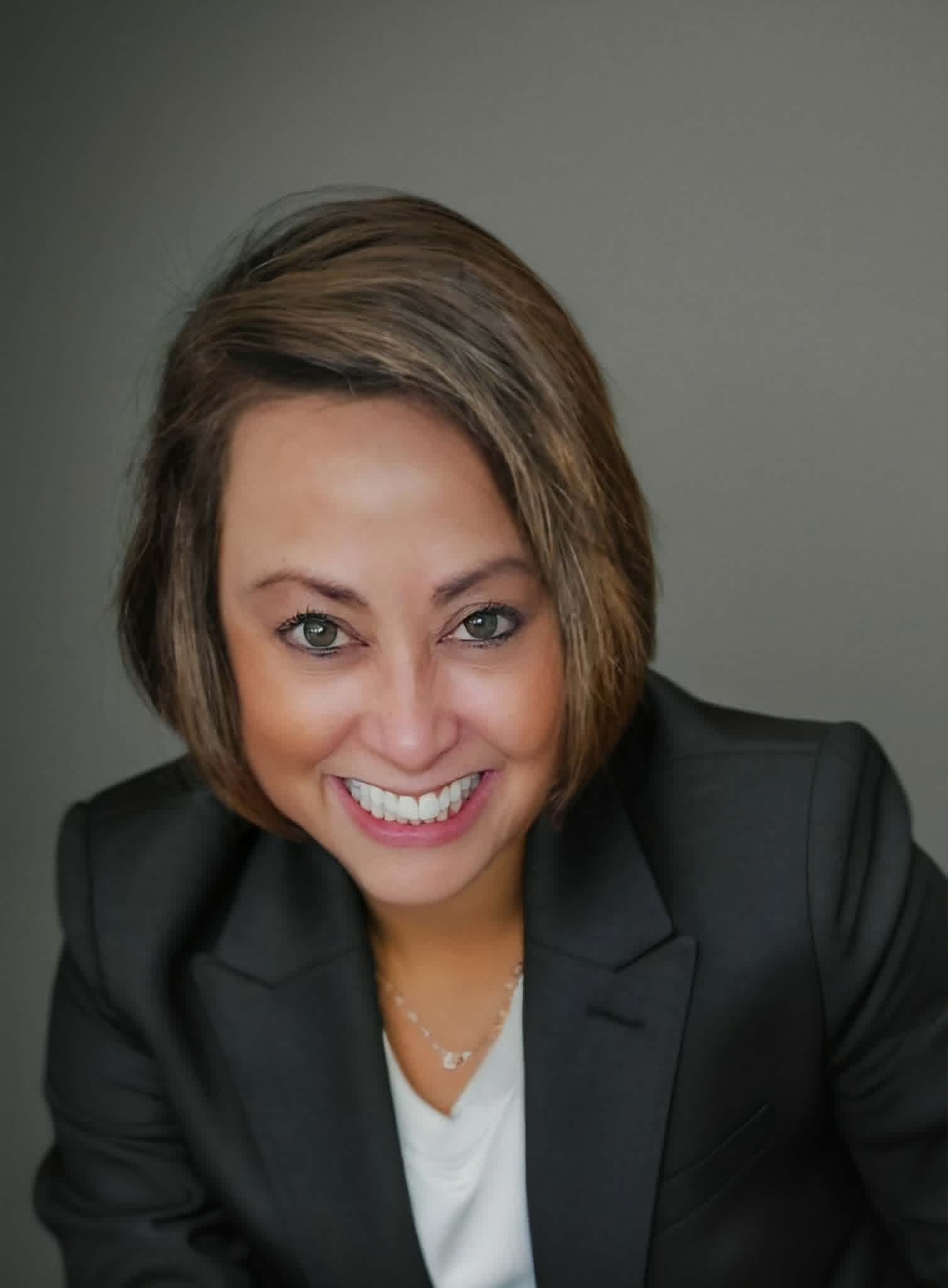
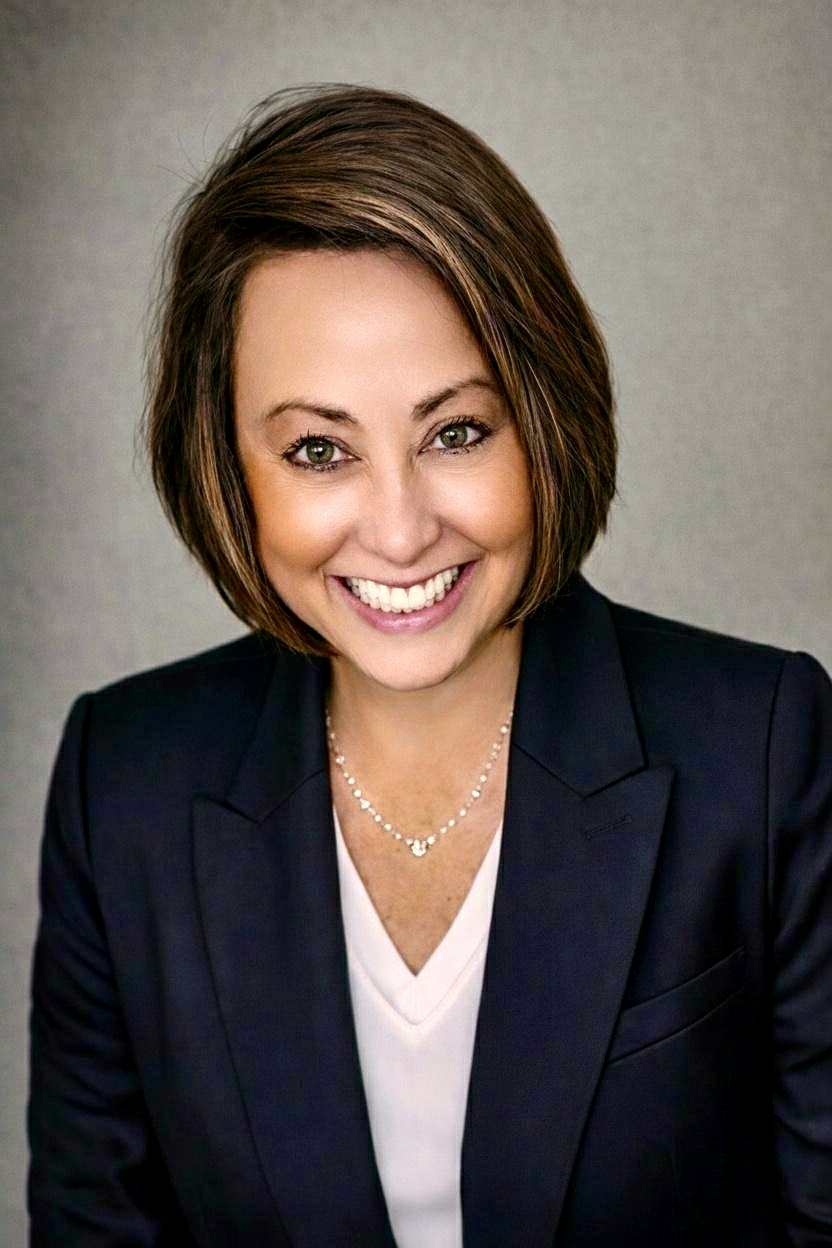
Today we’d like to introduce you to Elizabeth.
Hi Elizabeth, so excited to have you with us today. What can you tell us about your story?
I grew up in Binghamton, New York, not far from what was then called SUNY Binghamton. My father, originally from the Philippines, was a psychiatrist, and my mother is from England. I was first-generation, raised in a bicultural household shaped by resilience and family history, including the trauma both of my parents experienced growing up during WWII. Though my father worked long hours and I didn’t see him often, I was deeply influenced by the compassion and presence he brought to his work. Even as a child, I would browse through his psychiatry books, fascinated by the study of human emotion and suffering.
When I was around 12, I visited his office at the psychiatric center and saw firsthand the trust and connection he had with his patients. Later, I worked with some of those same patients in a group home setting, and they shared how much he had helped them. That left a lasting impression on me.
I started in a pre-med track at Syracuse University but shifted to psychology at SUNY Binghamton when I realized that’s where my passion truly lived. I later earned my PhD at SUNY Albany, completed my psychology internship at MUSC, and then pursued a postdoctoral fellowship in psychiatry at Yale University School of Medicine. Today, I serve as an Associate Professor in Psychiatry at the Medical University of South Carolina (MUSC), and I co-lead a multidisciplinary research and training program at the VA focused on substance use disorder treatment and access. My journey has always been about staying close to the human experience while also working to change systems that make healing possible.
Can you talk to us a bit about the challenges and lessons you’ve learned along the way. Looking back would you say it’s been easy or smooth in retrospect?
Like many academic psychologists, I’ve encountered plenty of challenges: navigating highly competitive environments, making tough career and family decisions, managing teams in complex systems, and experiencing the common cycle of rejection, from grant proposals to manuscripts to training applications. These struggles are part of the path, and they’ve made me more resilient. What’s kept me steady is a deep belief in the work and in the people I serve. I’ve learned that setbacks are often turning points in disguise and that staying connected to your purpose matters more than perfection.
As you know, we’re big fans of you and your work. For our readers who might not be as familiar what can you tell them about what you do?
(Note: While I am affiliated with both the VA and MUSC; the views expressed here are my own.)
I specialize in addiction science and in developing practical, evidence-based approaches to treating substance use disorders, especially in ways that are accessible, scalable, and designed for real-world clinical settings. One of my core areas of focus is motivational interviewing, a counseling style that helps people explore and strengthen their own motivation for change. I’ve worked to adapt this method for group therapy formats, where patients not only engage with the treatment, but also benefit from connection, shared experiences, and mutual support.
I’m currently an Associate Professor in Psychiatry at the Medical University of South Carolina (MUSC), and I co-lead a multidisciplinary research program at the VA focused on improving healthcare for veterans. I also co-lead two national training programs: one for graduate students aimed at preparing the next generation of leaders in alcohol use disorder and one for postdoctoral fellows aimed at preparing fellows for VA careers in treating PTSD and addictive disorders. While trauma is a large part of the populations I work with, my central expertise is in substance use disorder treatment and treatment engagement.
I also serve as a therapist on research studies involving trauma and substance use, and I enjoy training and mentoring others, from psychology interns to addiction medicine residents. Hearing from a patient that a group therapy session helped them feel empowered or reconnected to their values is always deeply meaningful. That’s the kind of change that keeps me committed to this work.
I’m most proud of the patients I’ve worked with who have found stability, recovery, and hope, and of the mentees I’ve supported who are now thriving in their own careers. There’s a quiet but powerful joy in watching someone grow into their potential. I’ve received incredible mentorship throughout my life, and I see it as both a privilege and a responsibility to pass that forward.
I try to stay grounded in humility, a quiet belief that we don’t need to constantly prove our worth. I’m drawn to a quote by Arthur Brooks: “The better path to enlightenment is through contemplating one’s insignificance.” That idea reminds me that we’re already valuable, not because of status or performance, but simply because we exist and contribute.
I’ve come to believe that when we focus on service rather than self-importance, we often end up making the greatest impact. I try to live by that in doing meaningful work, helping others grow, and creating spaces where people feel safe, seen, and empowered.
What do you like best about our city? What do you like least?
What I love most about Charleston is its charm, culture, and deep, if complicated, history. Whether you embrace it or critique it, that history is part of what makes Charleston feel unique. I also appreciate the walkability, the blend of old and new, and the sense of place that grounds this city.
What stands out even more to me, though, is the presence of seriously inspiring people: artists, scholars, cultural leaders, and ecological advocates, all who genuinely care about Charleston and are working to contribute to its vibrancy and well-being. I recently read the list of “Charleston’s 50 Most Influential: The Visionaries Who Have Shaped the City We Love” and I was struck by how well-deserved that recognition was for those on the list. Kudos to each of them. Their leadership helps shape not just Charleston’s identity, but its future.
What I like least is the growing traffic and the increased noise. Over the last ten years, it seems like more and more people are honking their car horns at each other, which feels out of step with the calm and beauty of this city. I’d love to see us collectively choose quiet where possible, and to keep noticing just how stunning the landscape of Charleston truly is.
I’m also concerned about residential development that prioritizes profit over people, wetlands, and the ecological health of our region. I’m not opposed to growth — far from it — but I believe in responsible growth that respects natural habitats, avoids worsening congestion, and considers long-term sustainability. I’m grateful to the community members who show up to town hall meetings and public forums to voice their concerns and fight for the well-being of Charleston’s future. Their efforts matter.