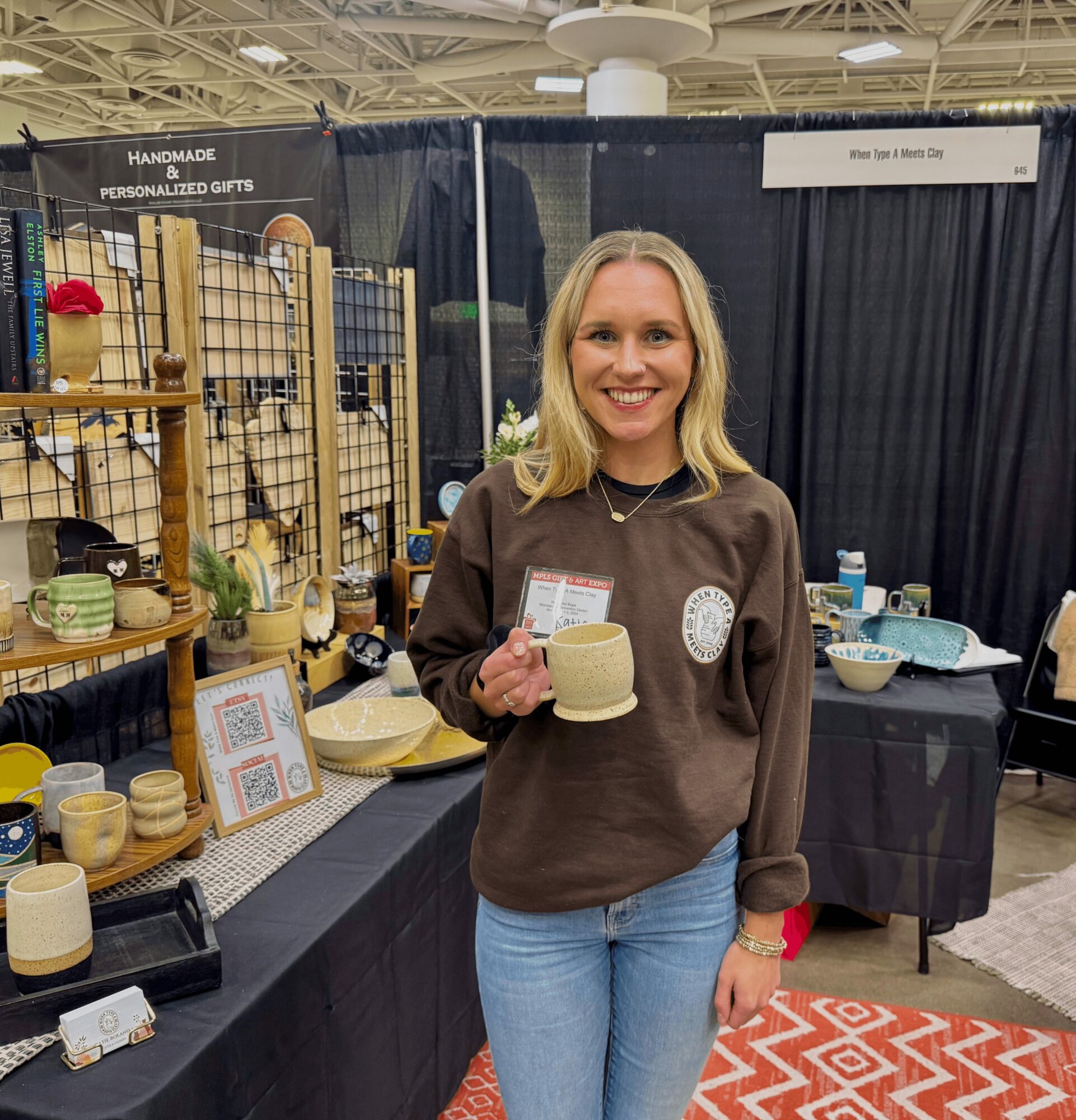
Today we’d like to introduce you to Katie Boland.
Hi Katie, so excited to have you on the platform. So before we get into questions about your work-life, maybe you can bring our readers up to speed on your story and how you got to where you are today?
My pottery journey actually started back in high school, during a pretty tough chapter. I suffered a serious brain injury and ended up missing months of school. Coming back was slow, I had to re-adjust to noise, light, movement, and just being in a classroom again. I couldn’t read, I couldn’t write, I couldn’t look at a screen for more than a second. Most of the things that normally make you feel “caught up” or “on track” just weren’t available to me.
Ceramics became the one thing I could fully do, start to finish. It didn’t demand words or screens or fast thinking – just my hands and my focus. And at a time when everything else felt uncertain, pottery gave me this really simple but important feeling of control. I could actually see progress in something when progress elsewhere felt impossible. I fell in love with that feeling, and with the process itself. I spent hours in the studio at Cretin-Derham Hall, took every ceramics class I could, and even set up independent studies just so I could keep going.
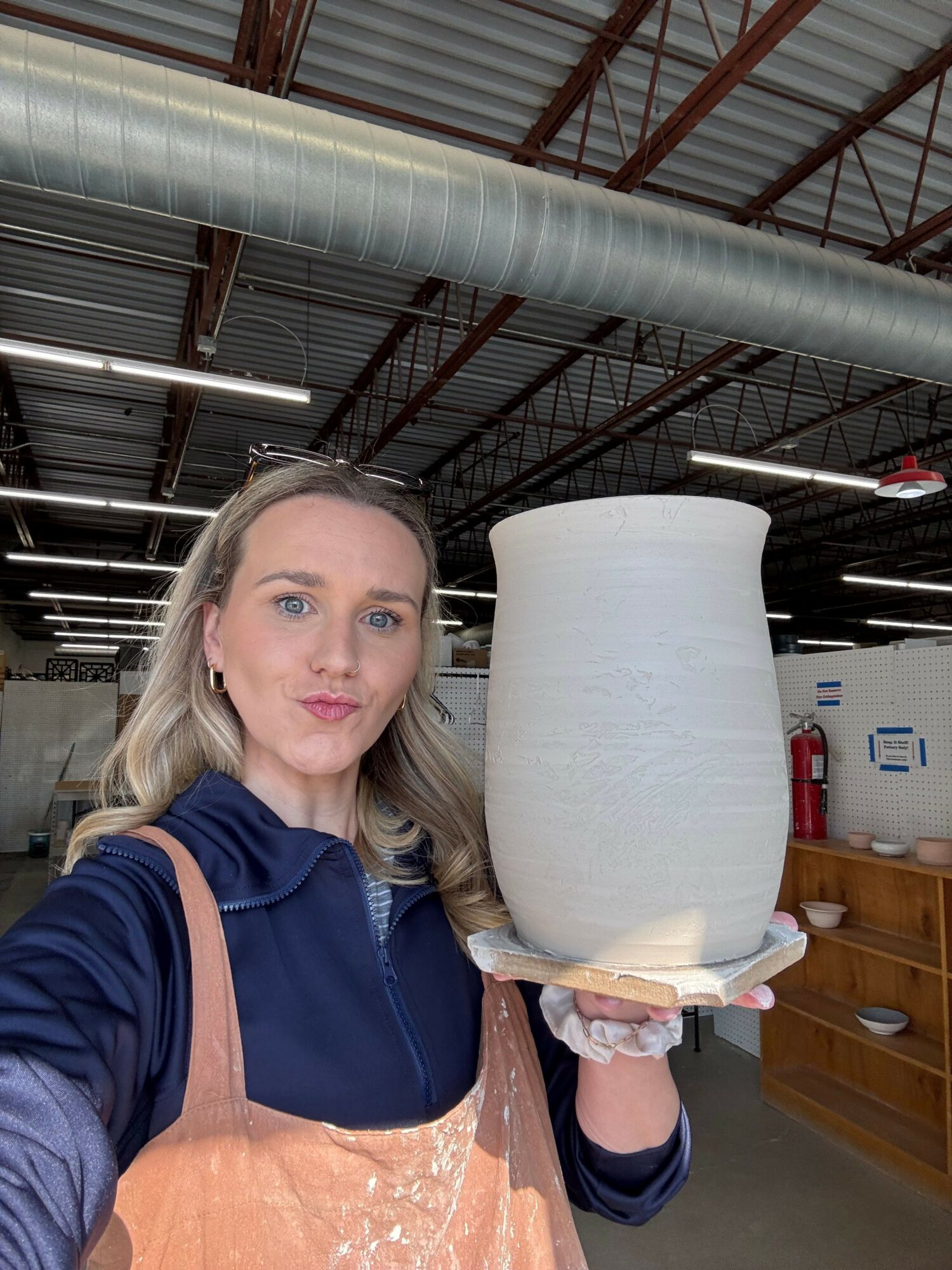
After I graduated in 2016, I didn’t have access to a studio in college, so pottery sort of faded into the background. But almost eight years later, now back in the Twin Cities, I finally found a studio where I could pick it up again. Sitting back at the wheel after all that time felt strangely familiar—like picking up an old habit you didn’t realize you missed as much as you did, and one you didn’t fully understand the impact of until you were on the other side of that chapter looking back.
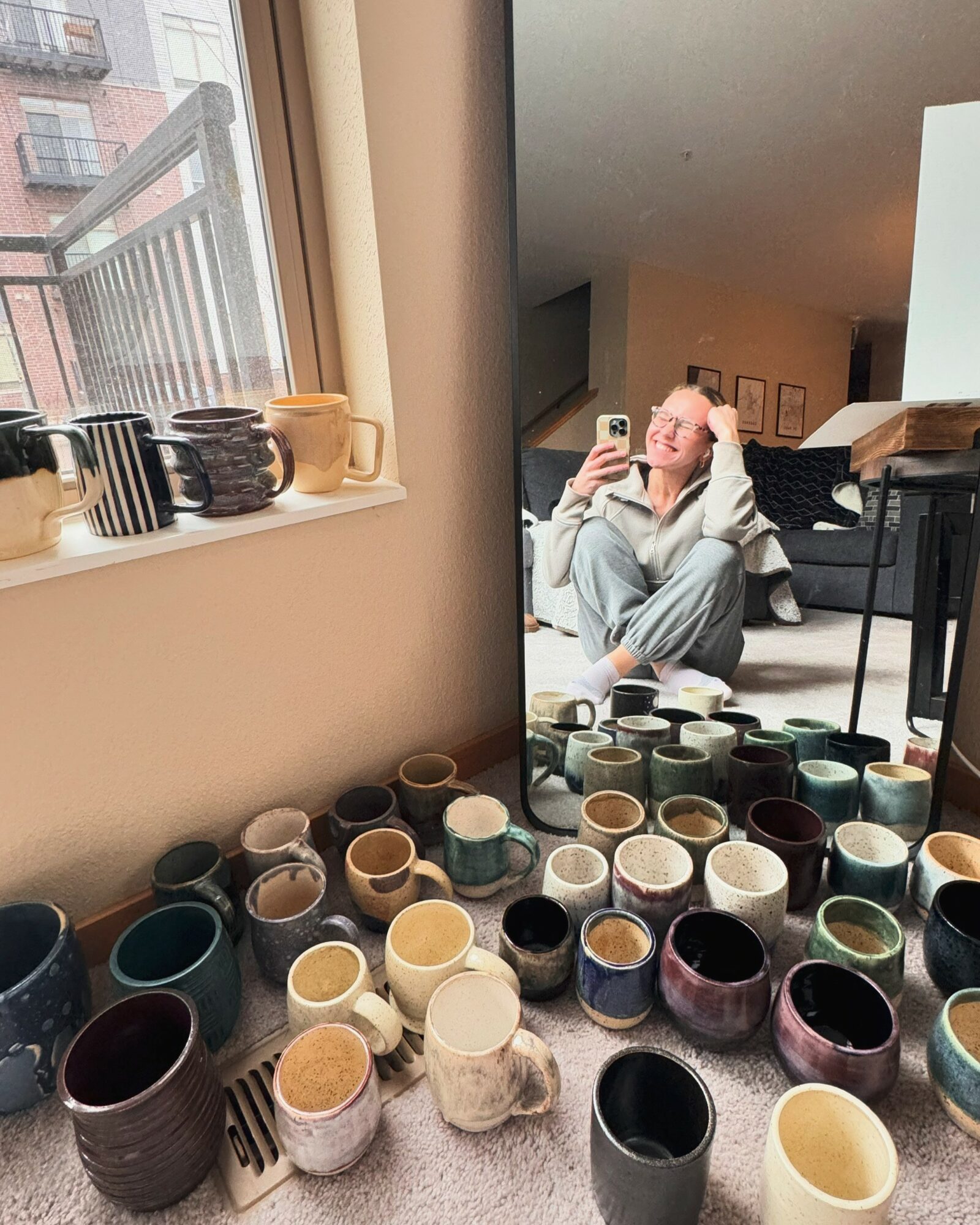
That’s really how When Type A Meets Clay came to be. I’m naturally structured, driven, and very Type A – I like lists, schedules, and knowing what’s coming next. Pottery, on the other hand, doesn’t care about any of that. It’s slow, unpredictable, and messy in ways I can’t control. And yet, that’s exactly why I keep coming back to it. It’s the perfect counterbalance: a space where I can be precise when I want to be, but also be forced to loosen up, embrace mistakes, and just enjoy the process. Over time, it’s become less about the finished pieces and more about the way it makes me slow down, pay attention, and, somehow, even enjoy not being in control.
Alright, so let’s dig a little deeper into the story – has it been an easy path overall and if not, what were the challenges you’ve had to overcome?
The road hasn’t been exactly smooth… mostly because, honestly, the biggest challenge has always been me. Being naturally Type A, my first instinct was to try to be “good” at pottery right away. I wanted clean lines, perfectly shaped bowls, and pieces that looked like what I saw in class or online.
But clay doesn’t care about perfection. It collapses, warps, cracks, and moves at its own pace. Learning to slow down, make mistakes, and just go with the process was harder than I expected. I had to unlearn a lot of my own habits. I needed to let go of control, quiet my inner critic, and simply showing up at the wheel again and again.
Looking back, I realize those struggles were kind of the point. Pottery taught me patience, presence, and how to appreciate small wins instead of chasing perfection. It’s still messy and unpredictable, but that’s exactly why I keep doing it — it grounds me, forces me to breathe, and somehow balances out my very Type A brain.
Thanks for sharing that. So, maybe next you can tell us a bit more about your work?
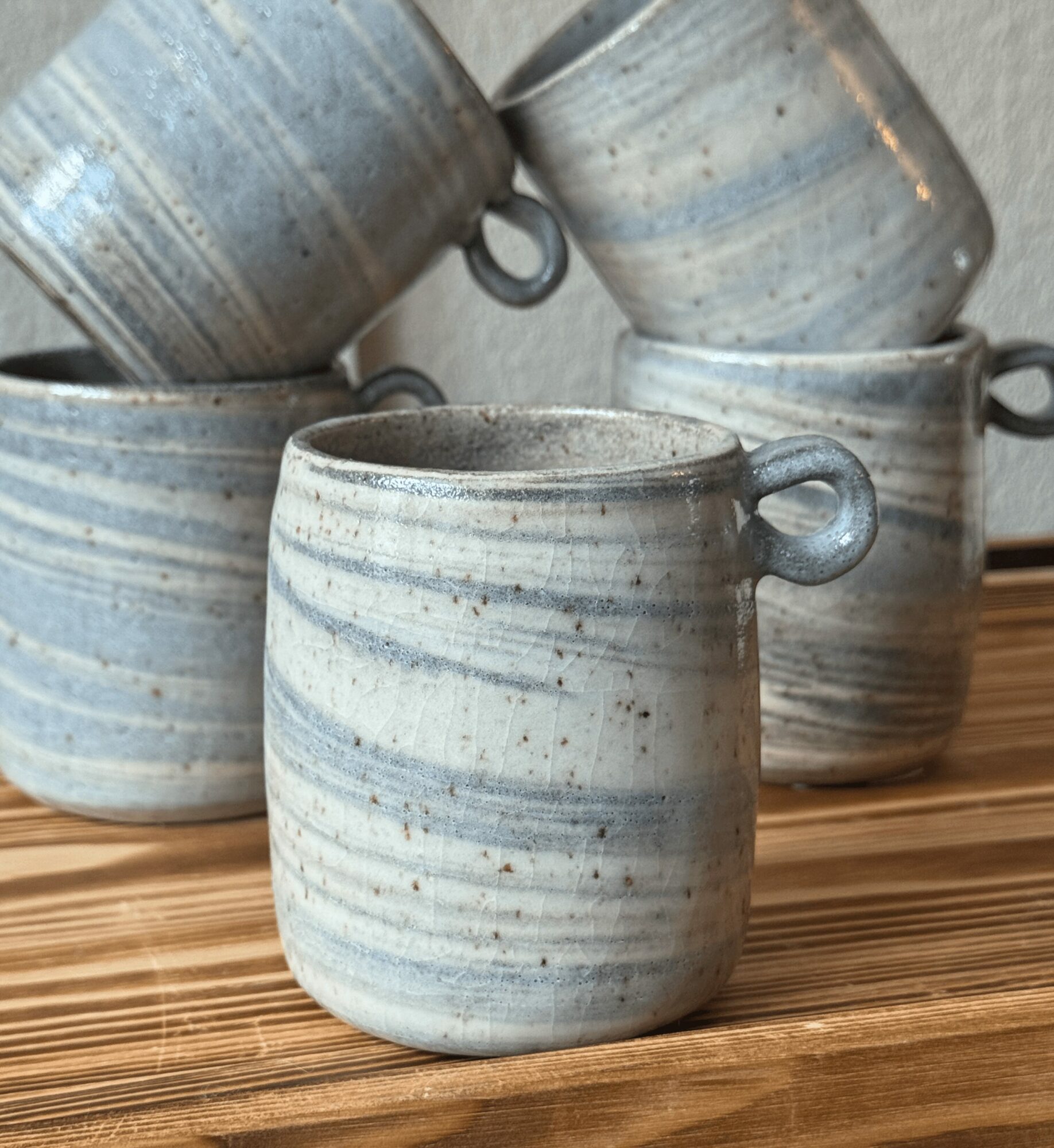
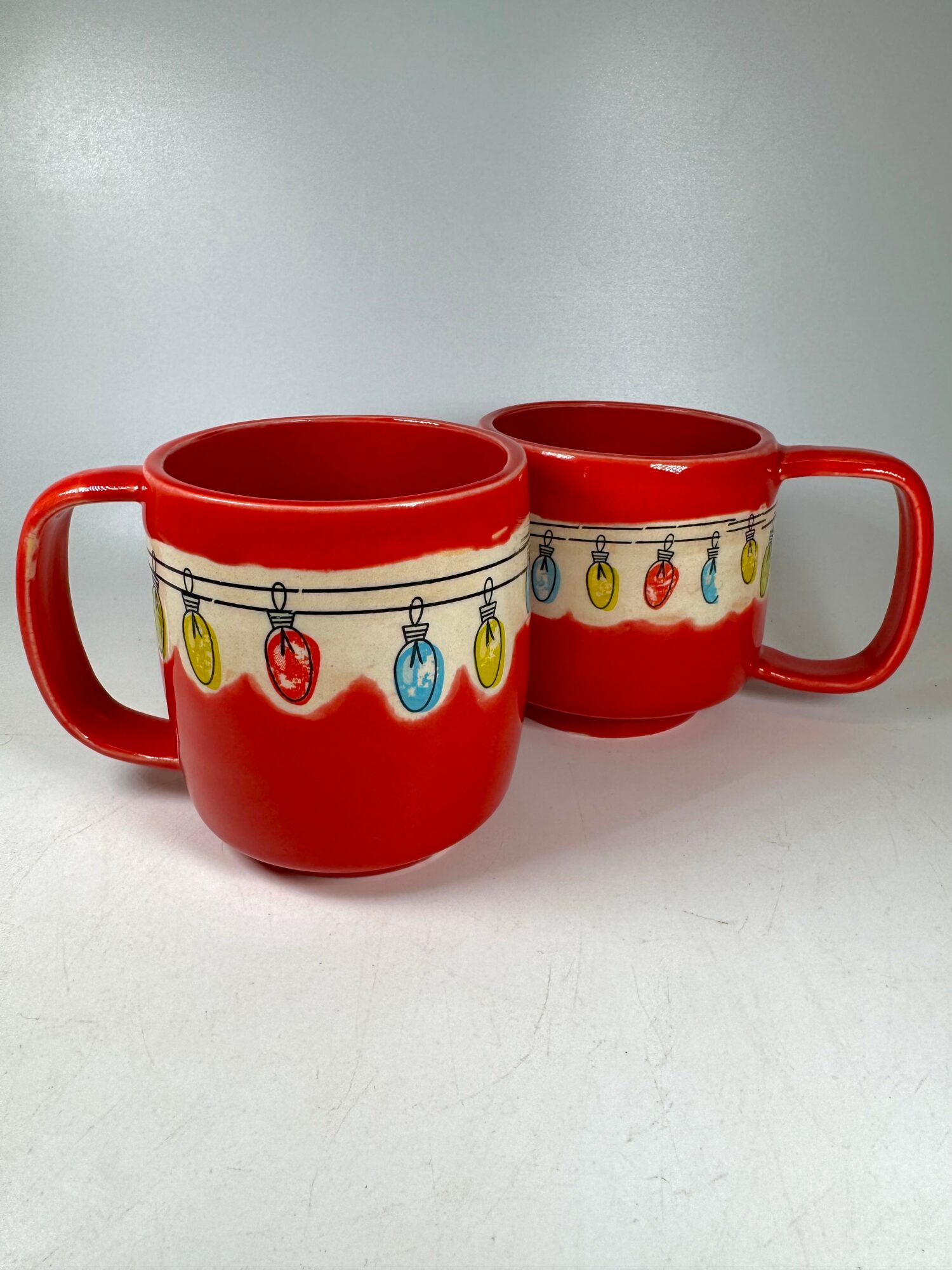
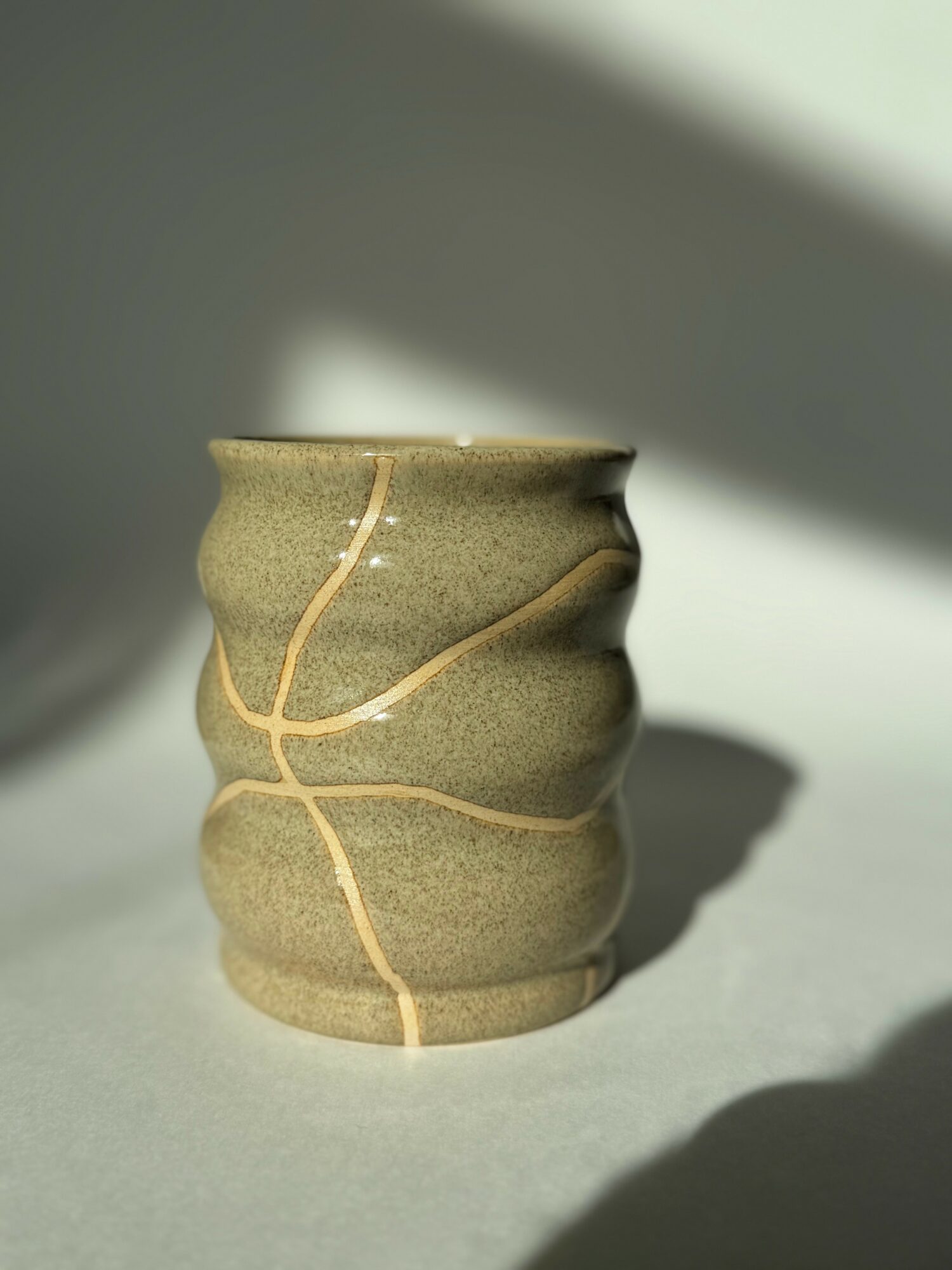
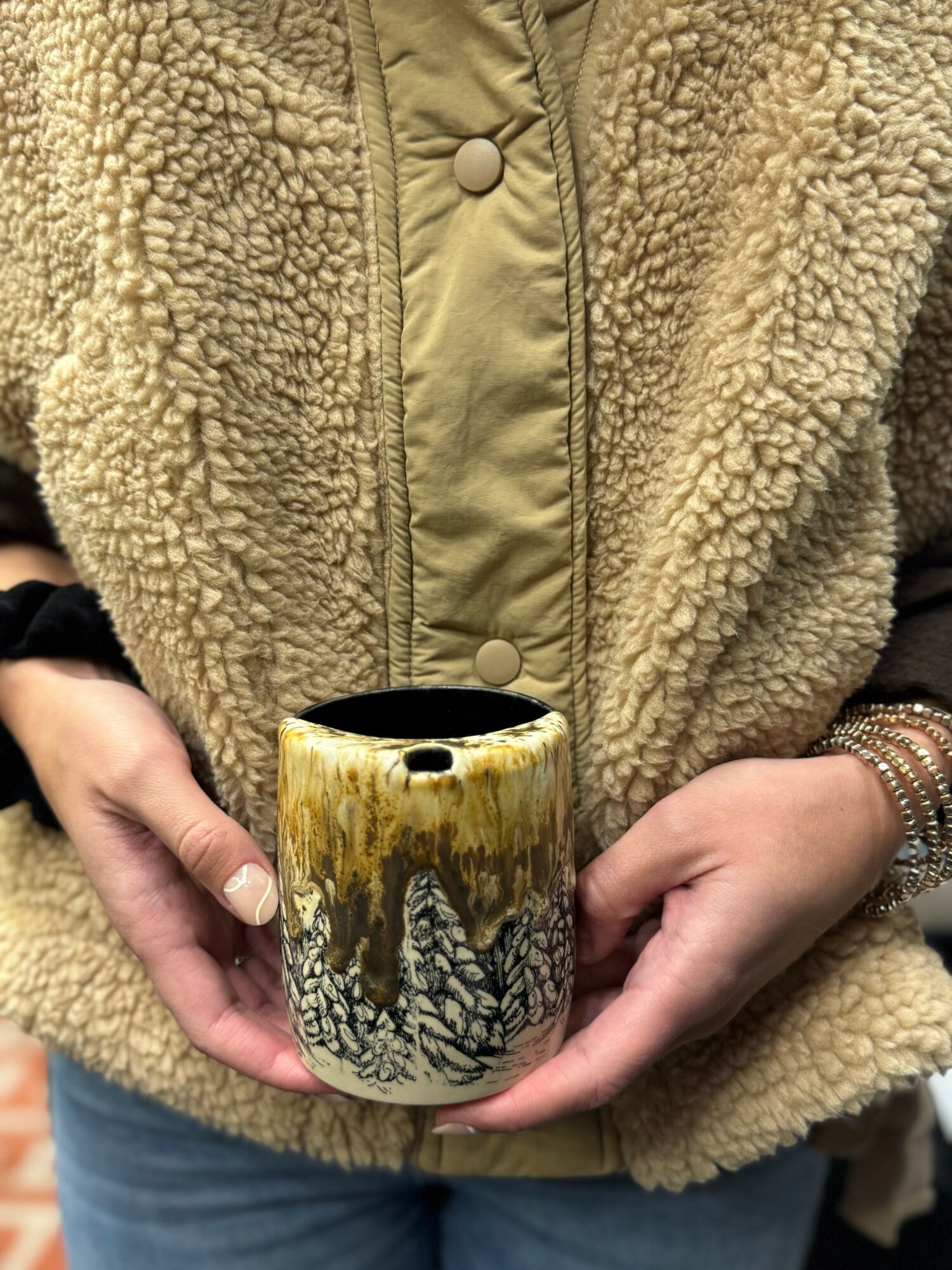
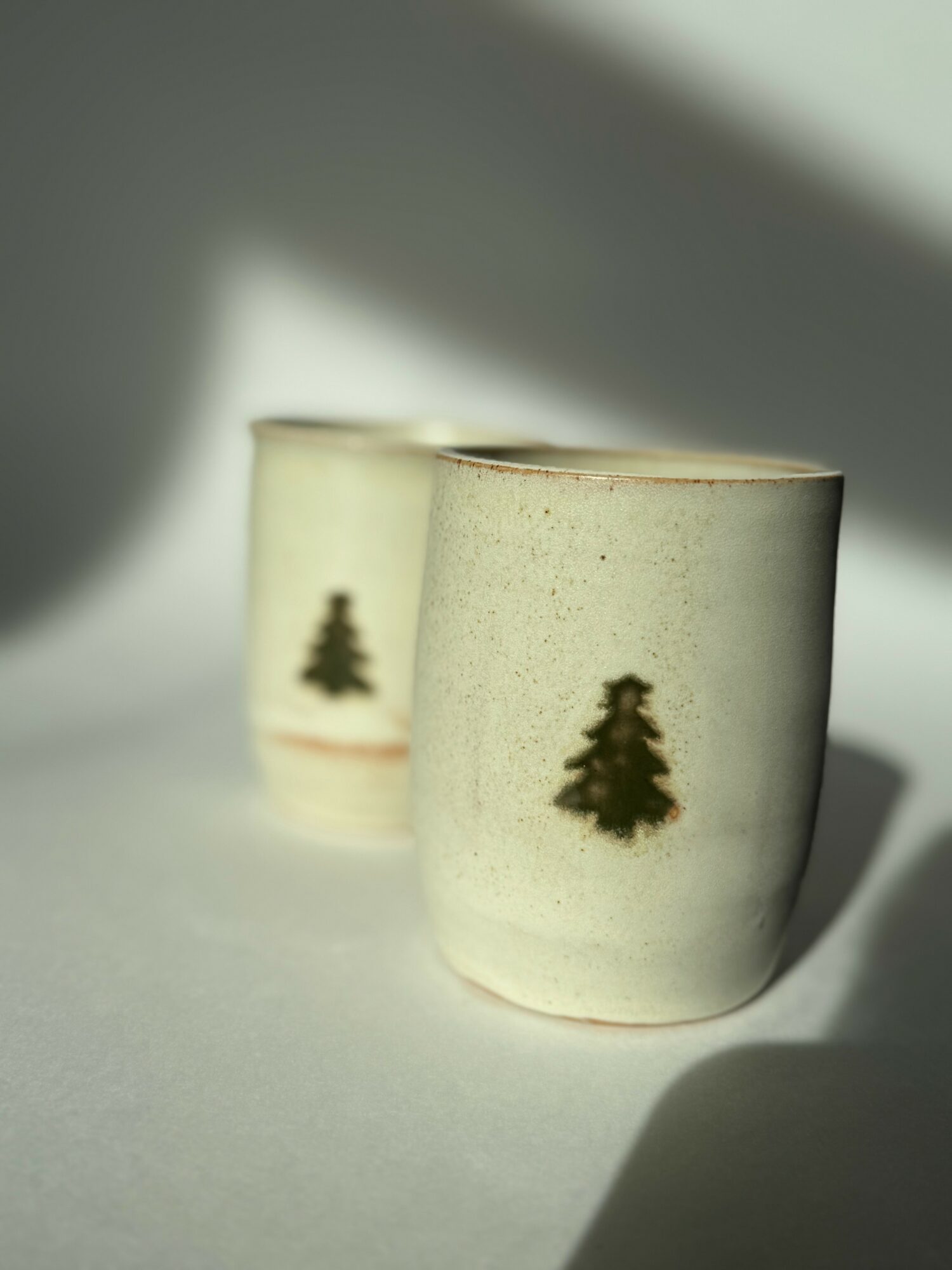
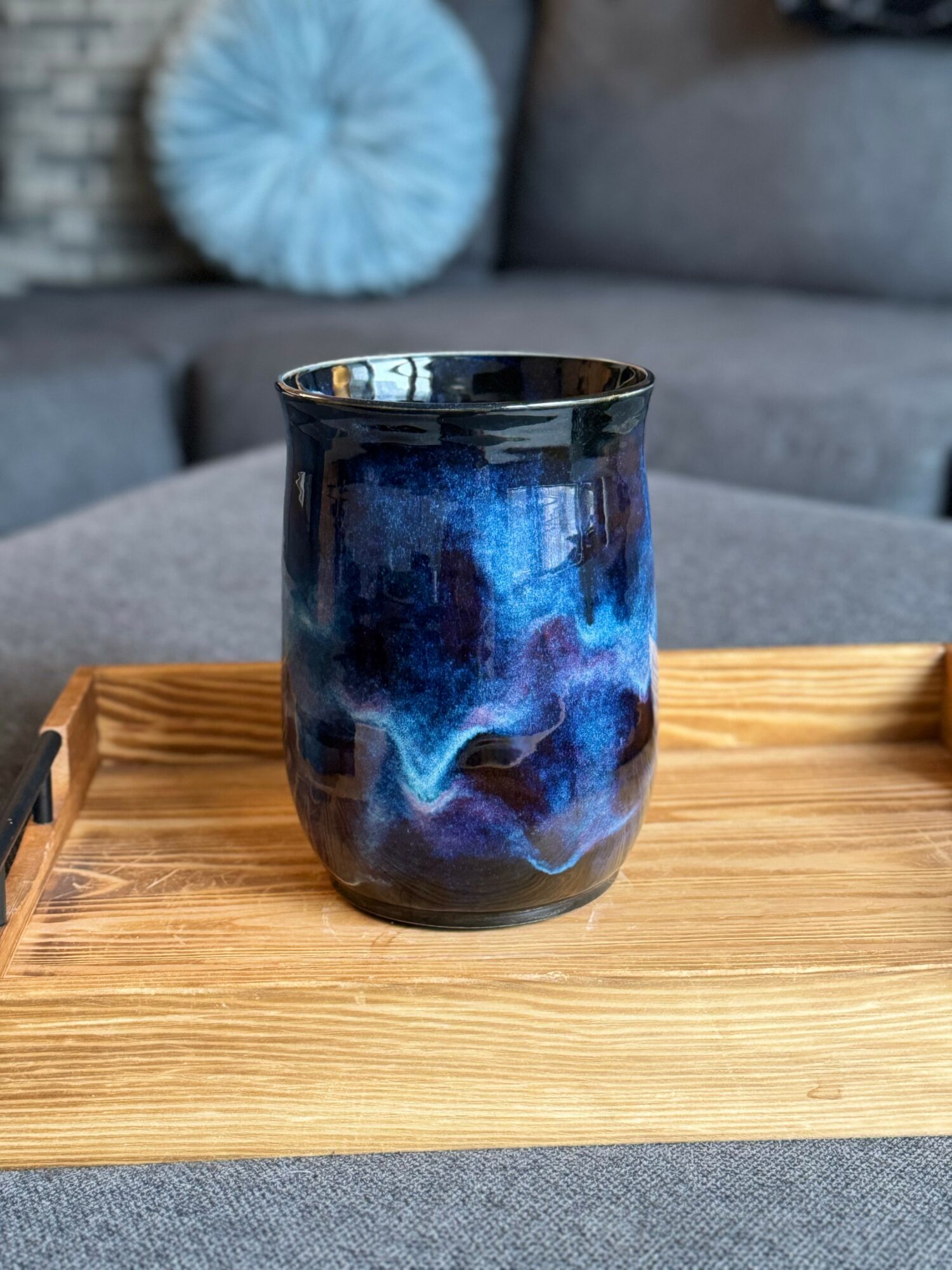
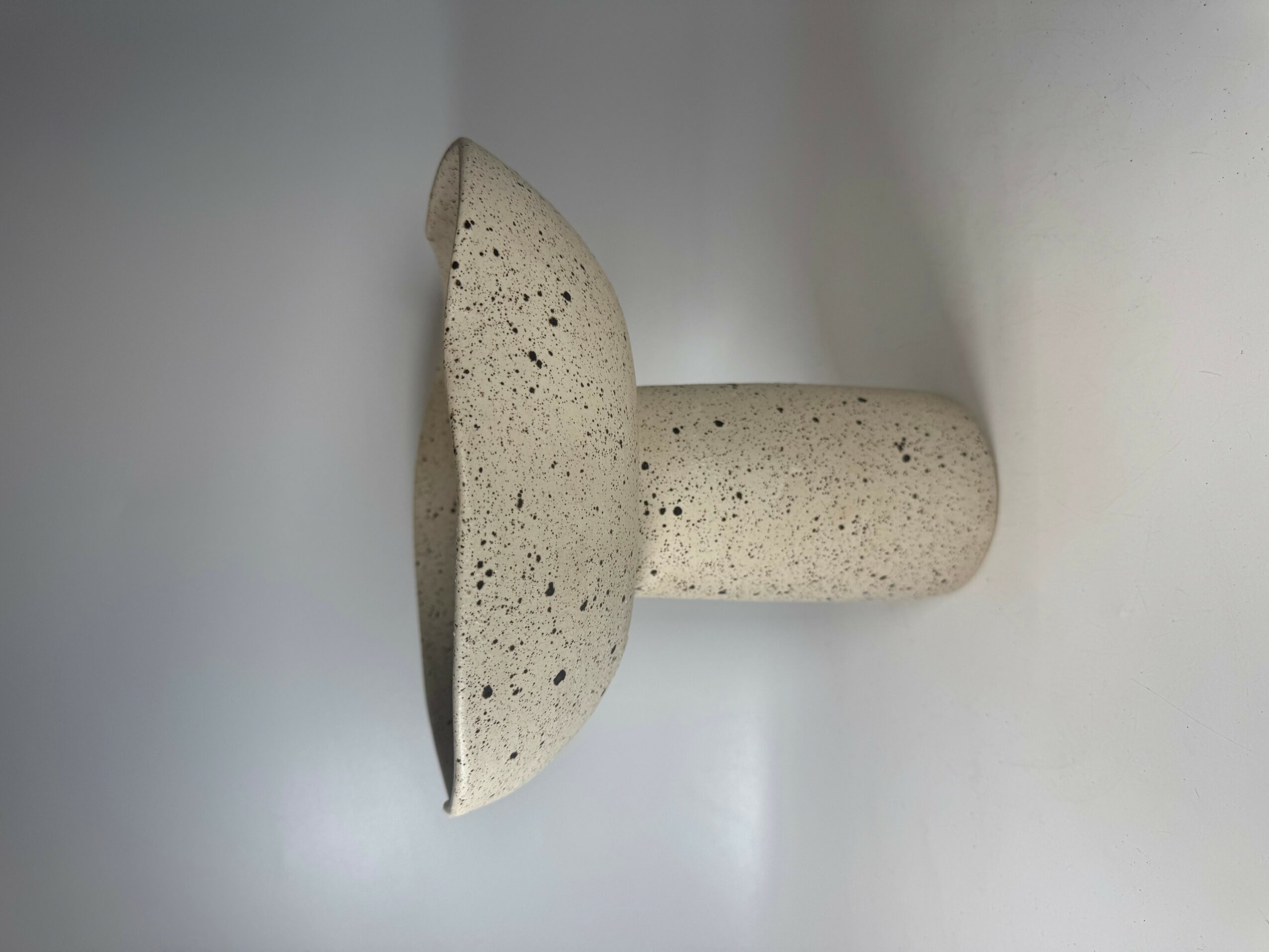
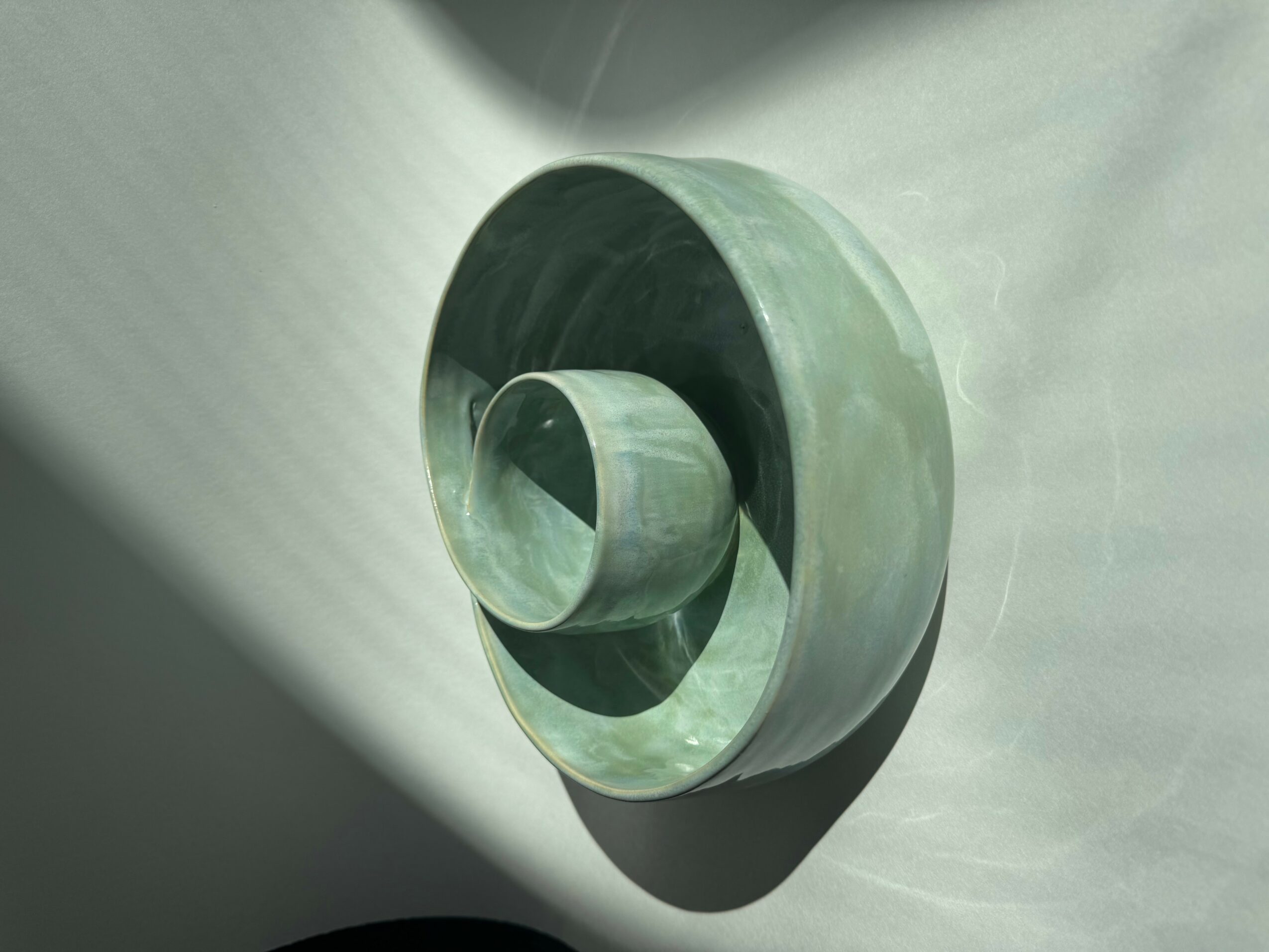
I make functional ceramic pieces, which are things people can actually use in their everyday lives — but I like to add a little touch of flair or personality to each piece. My work is all about balancing practicality with creativity: mugs you’ll actually drink from, bowls you’ll want to display, and pieces that feel personal and approachable.
What I’m most proud of is that my work reflects that balance. I love creating something that’s useful, but also makes people pause for a moment and notice the little details — a twist in the handle, a playful glaze, or an unexpected texture. I think what sets me apart is that I’m always thinking about both sides of the equation: how it functions and how it feels. Everything I make is meant to be lived with, used, and enjoyed — not just looked at.
Networking and finding a mentor can have such a positive impact on one’s life and career. Any advice?
My advice is pretty simple: don’t be afraid to ask questions. I spend a lot of time at a community studio, and some of the best learning comes from just talking to the people around you – watching how they work, asking how they solved a problem, or even just chatting about their process. Like my grandpa used to say, “You’re never lost if you have a tongue in your head.” Speaking up, asking questions, and being curious will open doors you didn’t even know were there. Most people are happy to share what they know, you just have to start the conversation!
Contact Info:
- Website: https://www.etsy.com/shop/WhenTypeAMeetsClay?ref=seller-platform-mcnav
- Instagram: @whentypeameetsclay