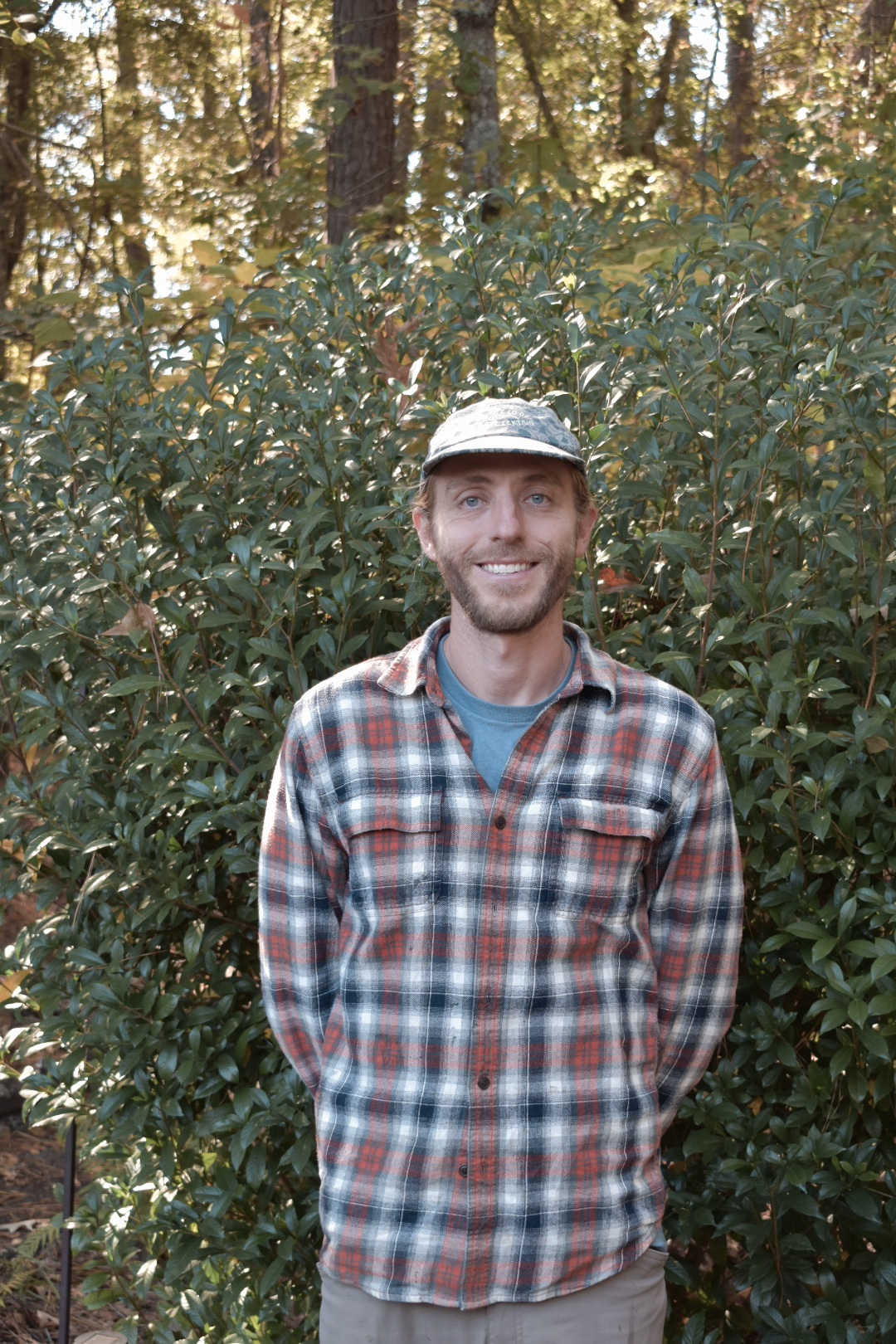
Today we’d like to introduce you to Benjamin Sinderman.
Hi Benjamin, thanks for joining us today. We’d love for you to start by introducing yourself.
Over the years, I’ve explored almost every corner of agriculture—working on conventional farms, organic farms, and most recently conducting research at a hydroponic facility. No matter where I went, I kept coming back to the same question: How can we work with nature instead of against it?
That question eventually led me to study permaculture and earn my Permaculture Design Certificate in 2020. My teachers, Stephen Brooks and Penny Livingston, opened my eyes to a new way of thinking about how we interact with the land. It gave me a framework for the kind of work I was looking for—creating systems where people and the planet can thrive together.
After completing the course, I had the chance to travel to Punta Mona in Costa Rica, a self-sustaining community founded by Stephen Brooks. Seeing a food forest that had been carefully stewarded for over twenty years—the abundance it produced and the community it supported—was a turning point for me. It was in that moment that I realized I needed to bring this vision home and start something local.
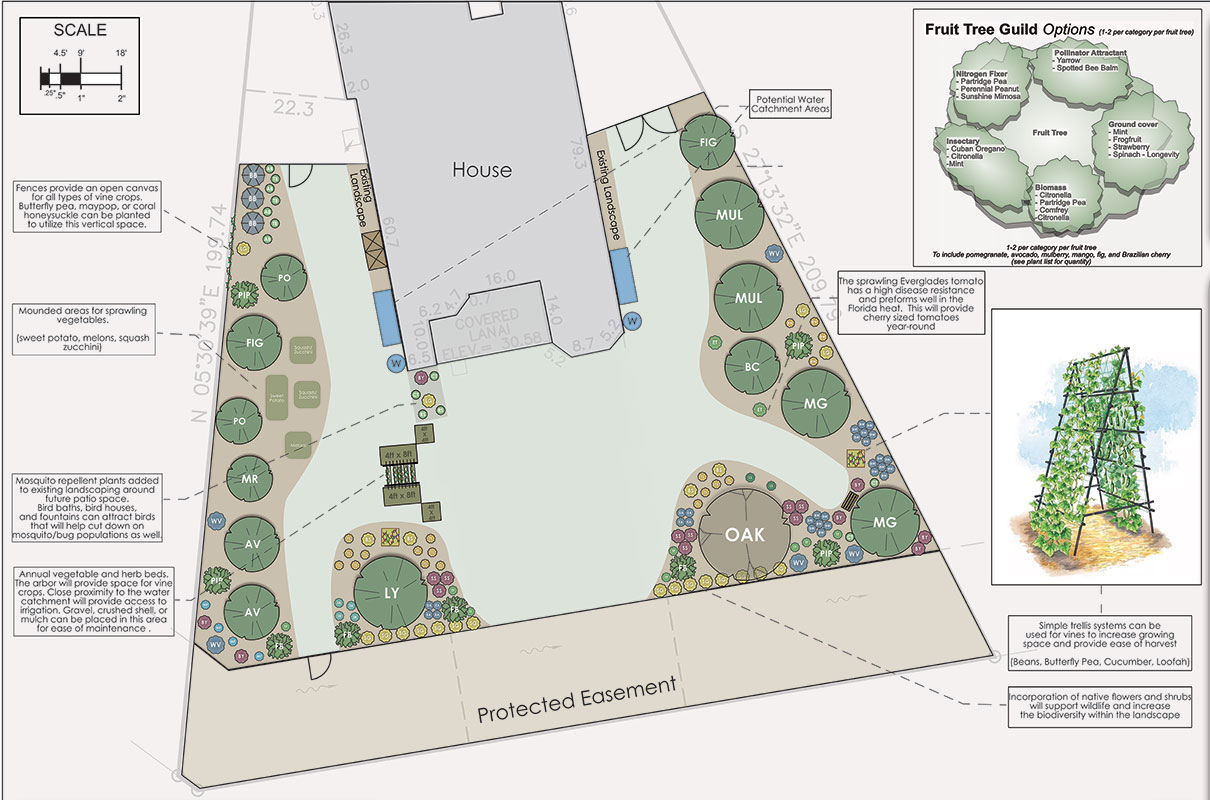
I started out creating full scale permaculture design for a national design firm, which allowed me to work with ecosystems all over the United States.
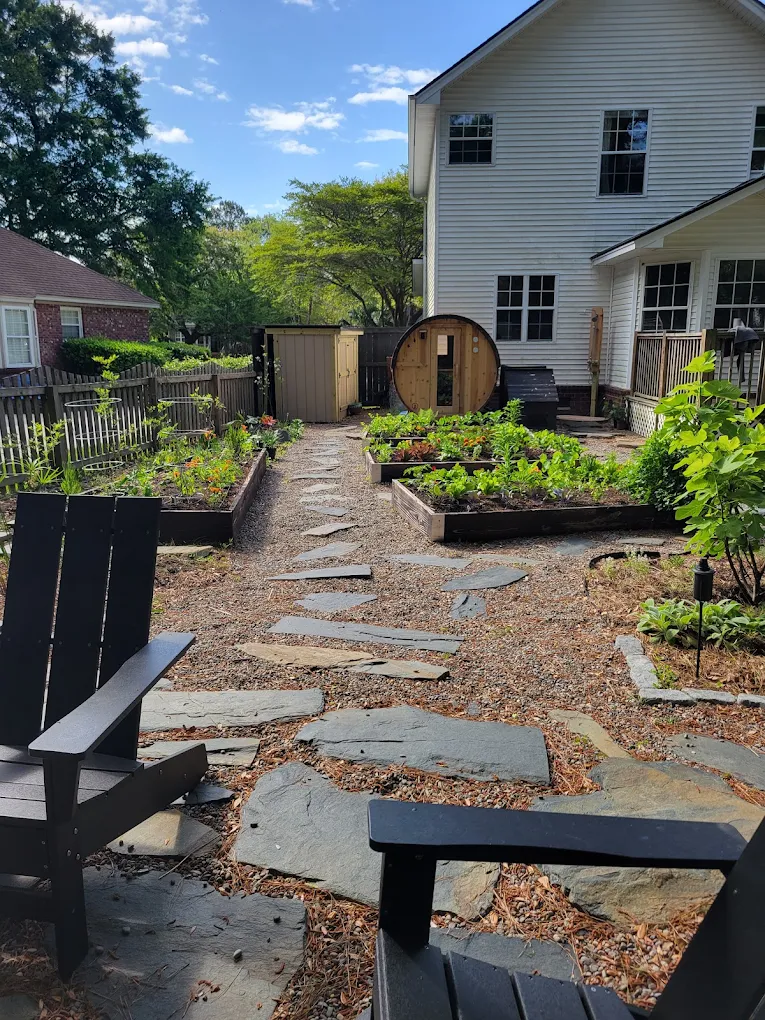
Then, toward the end of 2023, I started Permanent Yield with the mission of re-establishing the connection between people and nature. We design and install landscapes that focus on food production and native plants—creating spaces that nourish both people and the planet.
Since starting Permanent Yield, I’ve continued to expand my learning into agroforestry, biodynamic agriculture, and land energetics—bringing the best of these practices into each project I work on.
Would you say it’s been a smooth road, and if not what are some of the biggest challenges you’ve faced along the way?
The biggest challenge has been customer education—helping people understand why they should grow their own food and design native focused landscapes.
A lot of landscaping habits are deeply ingrained. People are used to perfectly trimmed lawns and ornamental plants from big-box retailers, so shifting that mindset takes time. It’s about helping clients see that growing native plants, building healthy soil, and creating edible landscapes aren’t just “eco-friendly” choices—they actually save time, money, and resources in the long run.
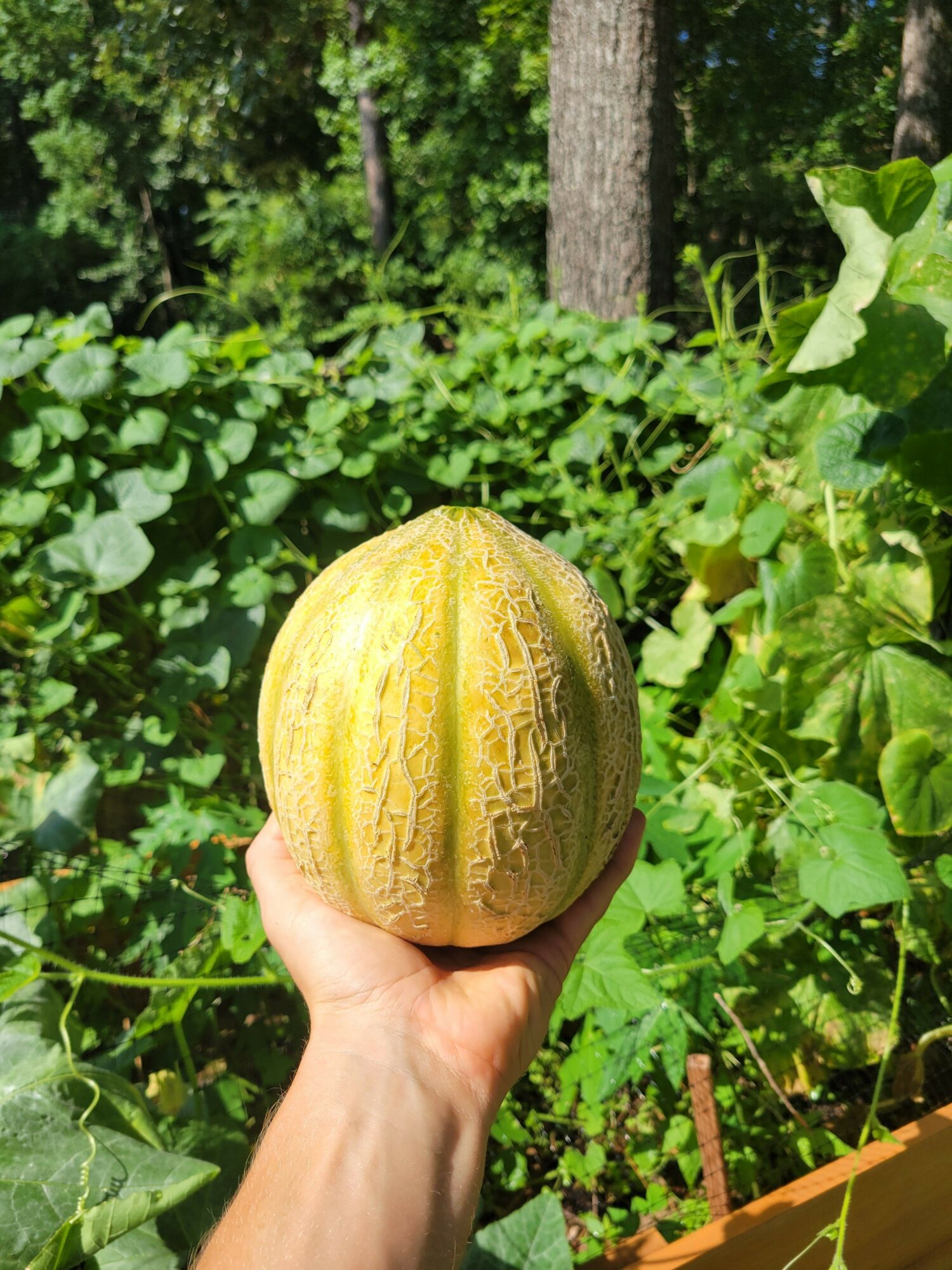
What surprises many people is how much more nutrient-dense homegrown food can be compared to what’s bought in stores. The fruits and vegetables found in most grocery aisles are often harvested early, shipped long distances, and bred for shelf life rather than nutrition. When food is grown in living soil, it tastes better and has a higher nutritional value.
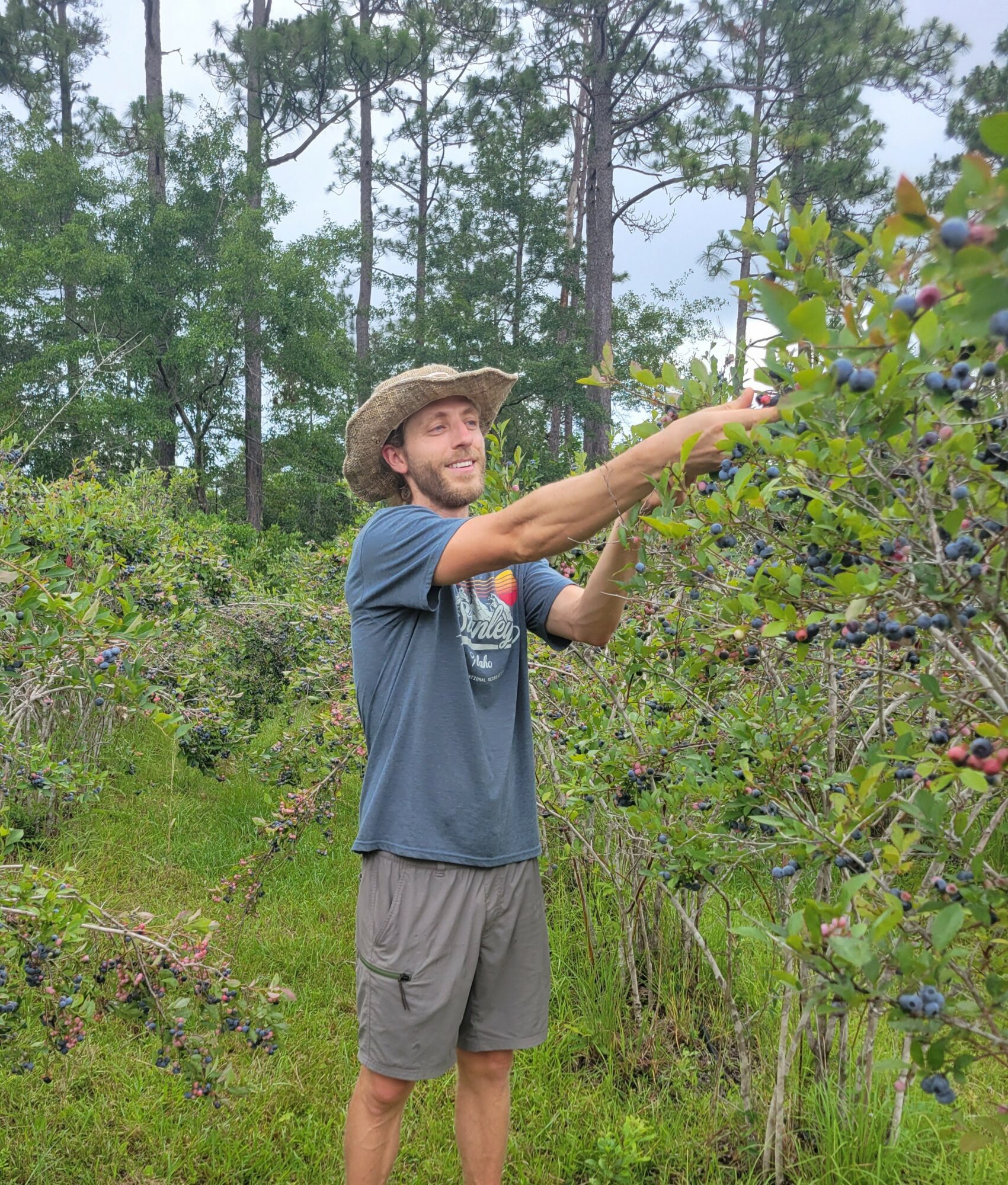
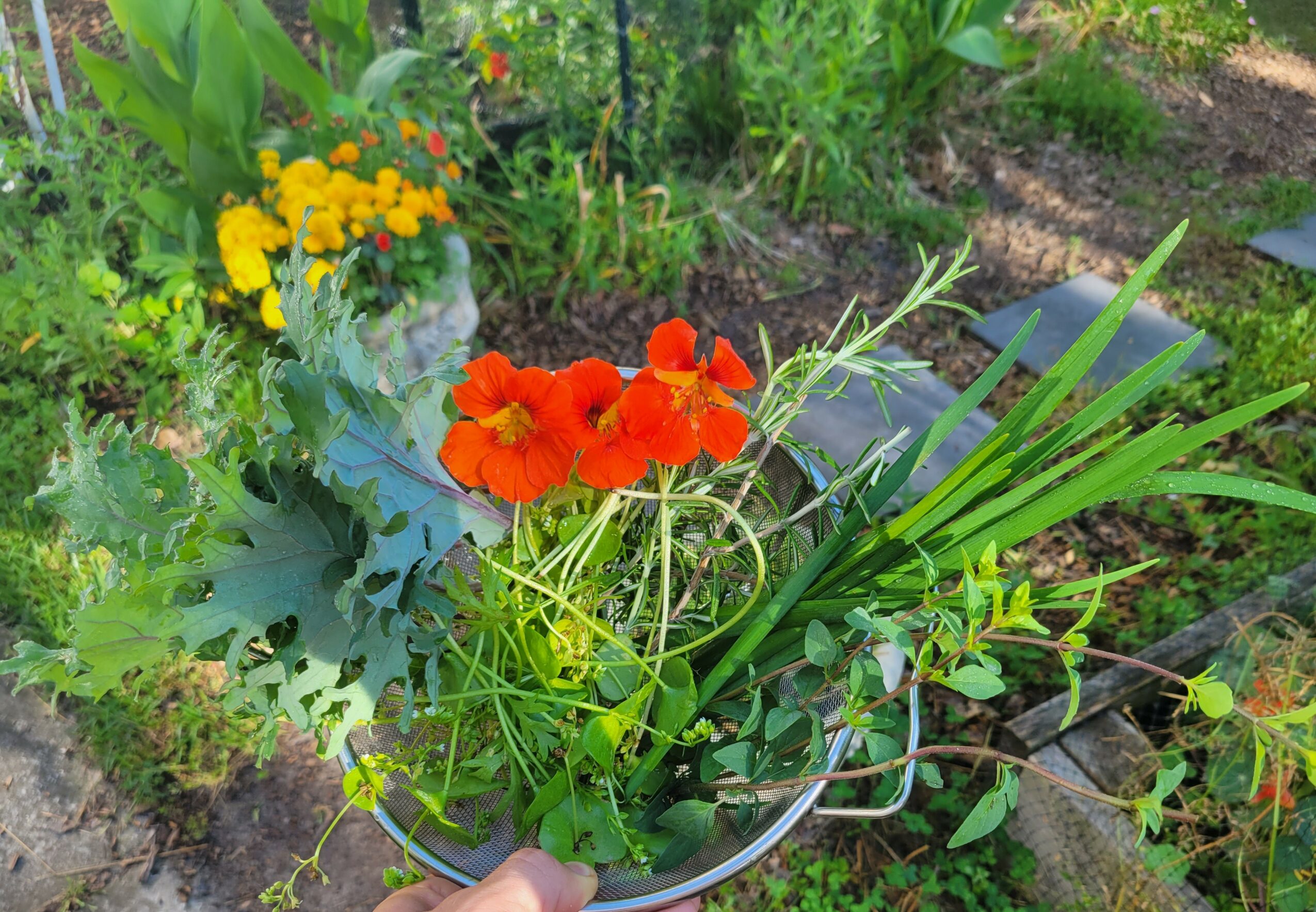
Part of my mission with Permanent Yield is to help people reconnect with that experience. When you harvest a tomato or a handful of greens from your own garden, you’re not just getting fresher food—you’re strengthening your relationship with the land that produced it.
Thanks – so what else should our readers know about Permanent Yield?
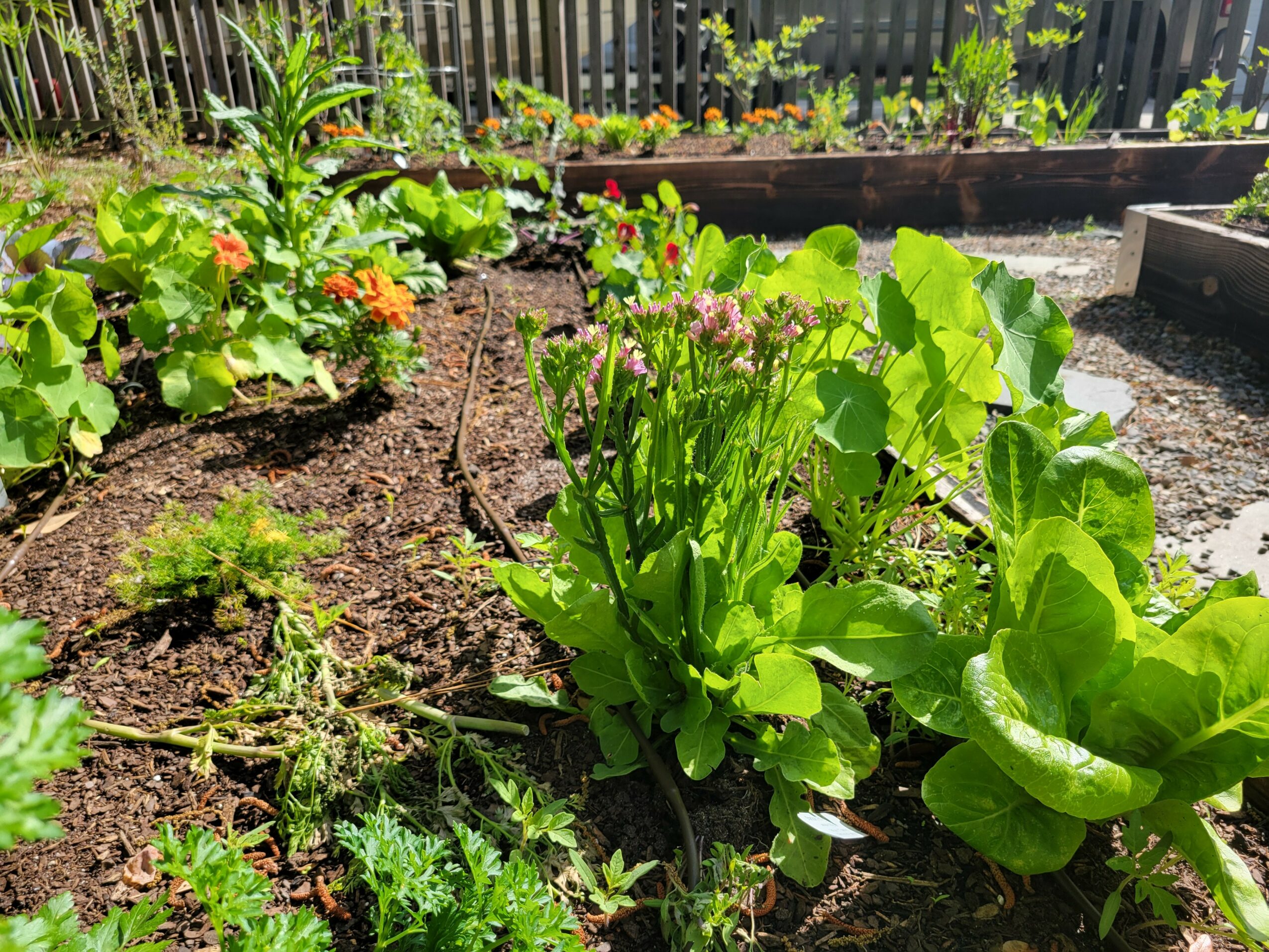
Permanent Yield is a design, installation, and consulting company dedicated to creating regenerative landscapes that produce food, improve soil health, and enhance native biodiversity.
Our work integrates permaculture and biodynamic agriculture, viewing the land as a unified ecosystem rather than a collection of isolated parts. This approach allows us to design spaces that are both ecologically sound and visually appealing.
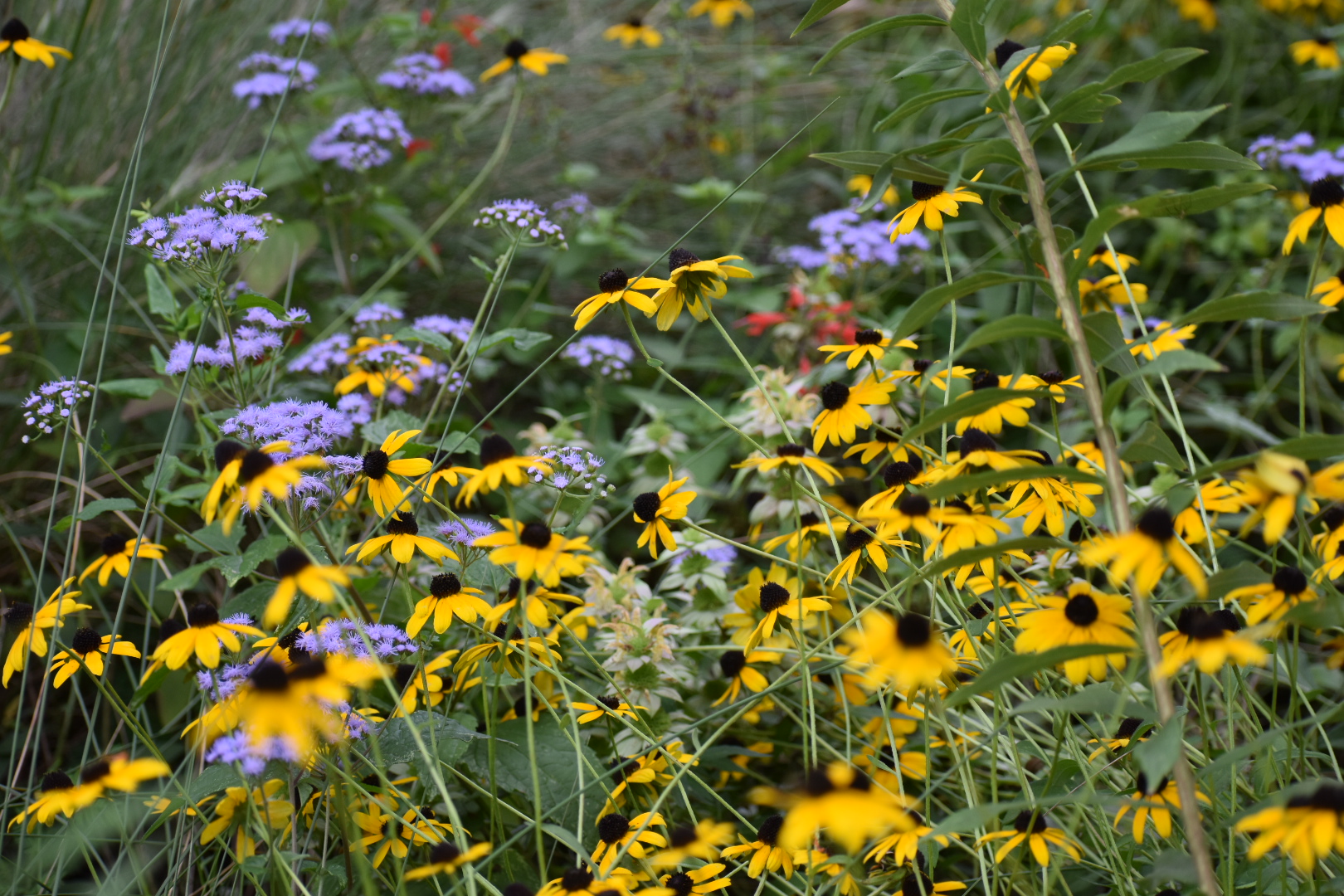
Whether the project aims to attract more pollinators, restore depleted soil, or plant a perennial food forest, our focus remains on designing systems that work with the landscape.
Permanent Yield stands apart through its mission to restore balance between people and our landscapes. We design regenerative landscapes that give back more than they take—feeding communities, healing soil, and strengthening local ecosystems.
Brand wise, I’m most proud that our work invites people to see their outdoor spaces as more than just “landscaping” — but as living systems capable of making a real, positive impact.
What has been the most important lesson you’ve learned along your journey?
The most important lesson I’ve learned is the power of observation. When you take the time to really observe a site before making decisions, you realize that every plant, insect, and patch of soil is offering information. The wind, the sunlight, the flow of water—all of it tells a story about how that landscape wants to function.
The key is to slow down enough to notice. That awareness transforms the design process. Instead of imposing a vision, you start responding to what the land is offering. Observation becomes the foundation of every successful, regenerative design.
Contact Info:
- Website: https://www.permanentyielddesign.com
- Instagram: permanentyield
- Facebook: Permanent Yield
- LinkedIn: Benjamin Sinderman