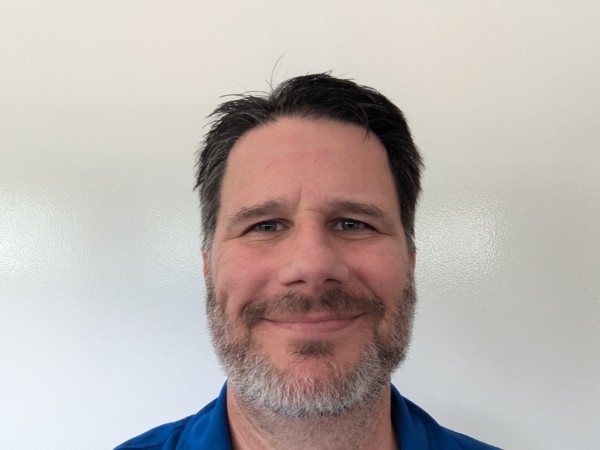
Today we’d like to introduce you to Aaron Silverman.
Hi Aaron, we’re thrilled to have a chance to learn your story today. So, before we get into specifics, maybe you can briefly walk us through how you got to where you are today?
I will break this out into two sections: top section, The Ari Foss Story, my wife (Laura Silverman, Ari’s Mom) wrote and the bottom section, information about how the Ari Foss Foundation got to where we are.
The Ari Foss Story, by Laura Silverman
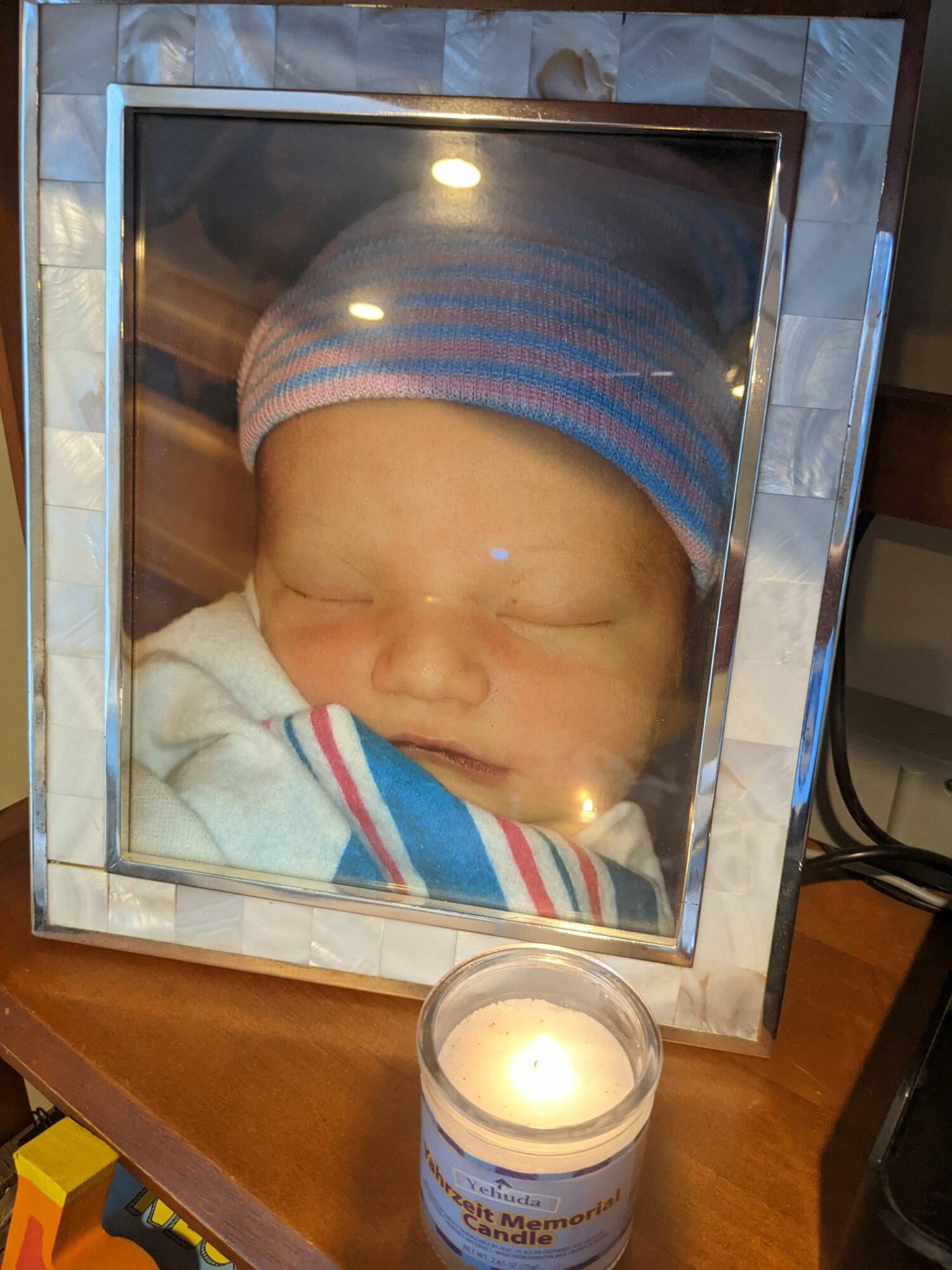
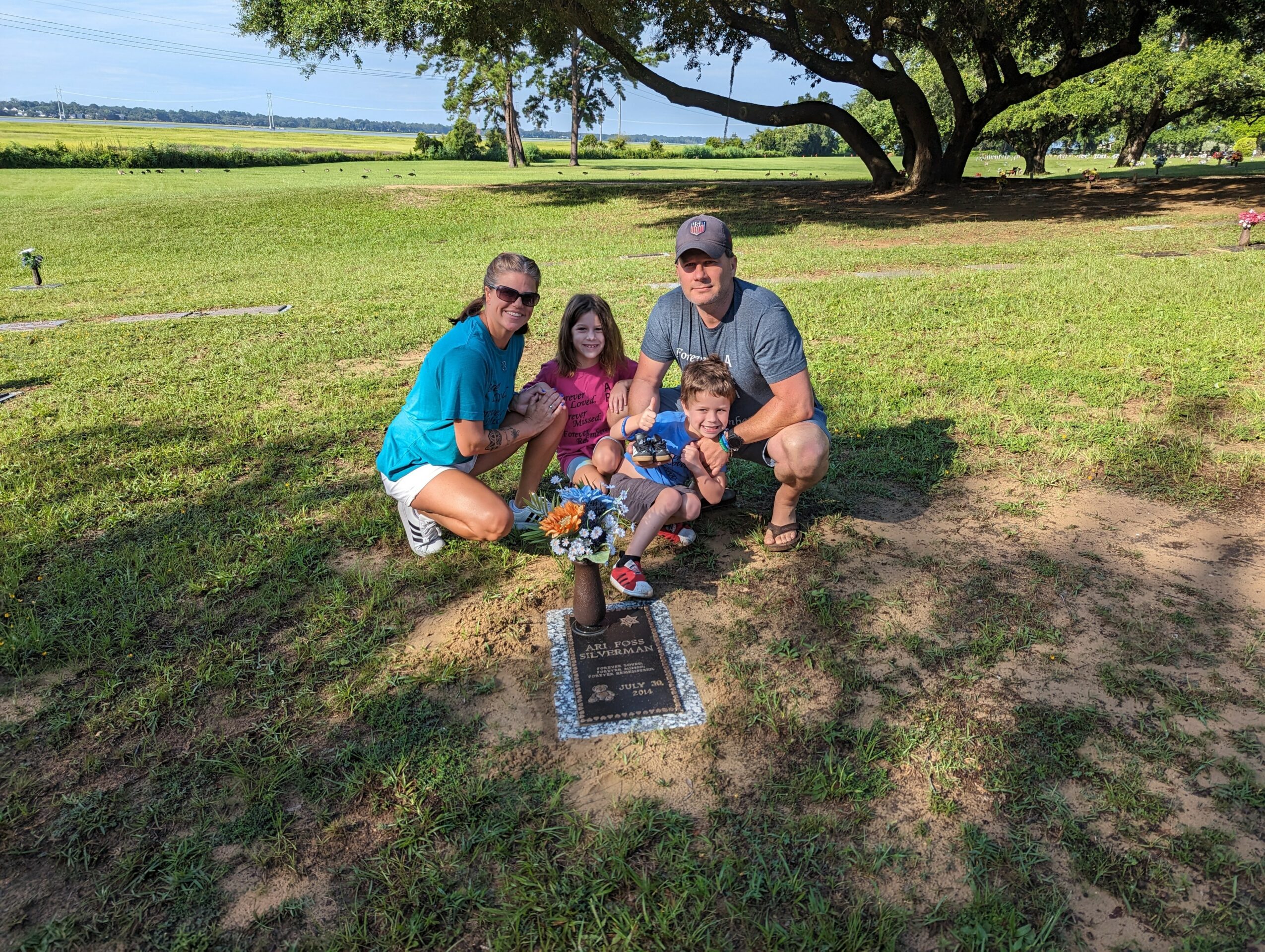
Ari Foss was our first child. Ari was our beautiful baby boy. Ari was a perfectly healthy baby. I was 39 weeks 5 days pregnant when my water broke. We were so excited to meet our little man. I was in labor about 8 hours when we were told I would need a routine C Section. As I was being wheeled into surgery I remember one of the medical staff saying to us “The good news is your son will be here in about 20 minutes.”
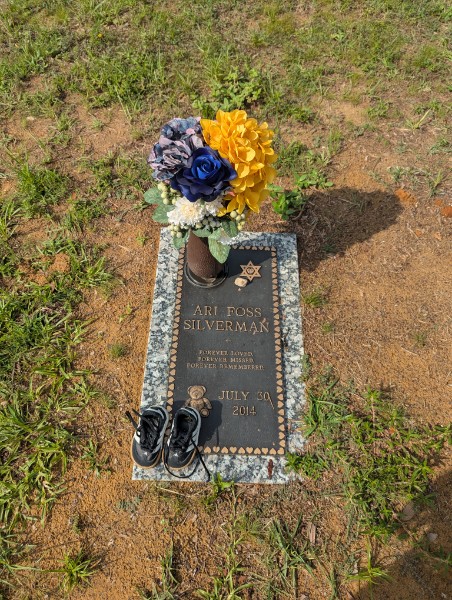
Ari Foss Silverman was born on July 30, 2014 at 10:06 pm. Ari never cried though. Ari never took a breath. Ari had no heartbeat. Our son was gone. We were devastated and attempting to grasp what happened. In an instant, we went from what should have been the happiest moment of our lives to experiencing the worst, most tragic moment of our lives. We were overwhelmed with grief and sadness.
On top of the emotional stress of grieving for our infant son and my physical stress from labor and a C Section, we were then hit with another stress – the financial stress of paying for an unexpected funeral. Aaron started doing the research and calling local funeral homes and cemeteries to gather information. My husband and I had to have the unpleasant conversation of where our finances were and what that meant for what kind of funeral and burial we could afford for our infant son. Due to everything that had happened, the financial stress compounded the already unfathomable grieving process and vice versus.
Although we tried to stay middle of the road in the funeral planning, the costs mounted QUICKLY. Fortunately, through family and friends, a lot of our financial stress was alleviated. My mother-in-law and one of my best friends stepped in and raised money to help pay the unexpected funeral expenses, so we could concentrate on grieving for our son Ari and the physical stress of my recovery.
From the generosity of our family and friends, the idea for the Ari Foss Foundation was born.
The Ari Foss Foundation:
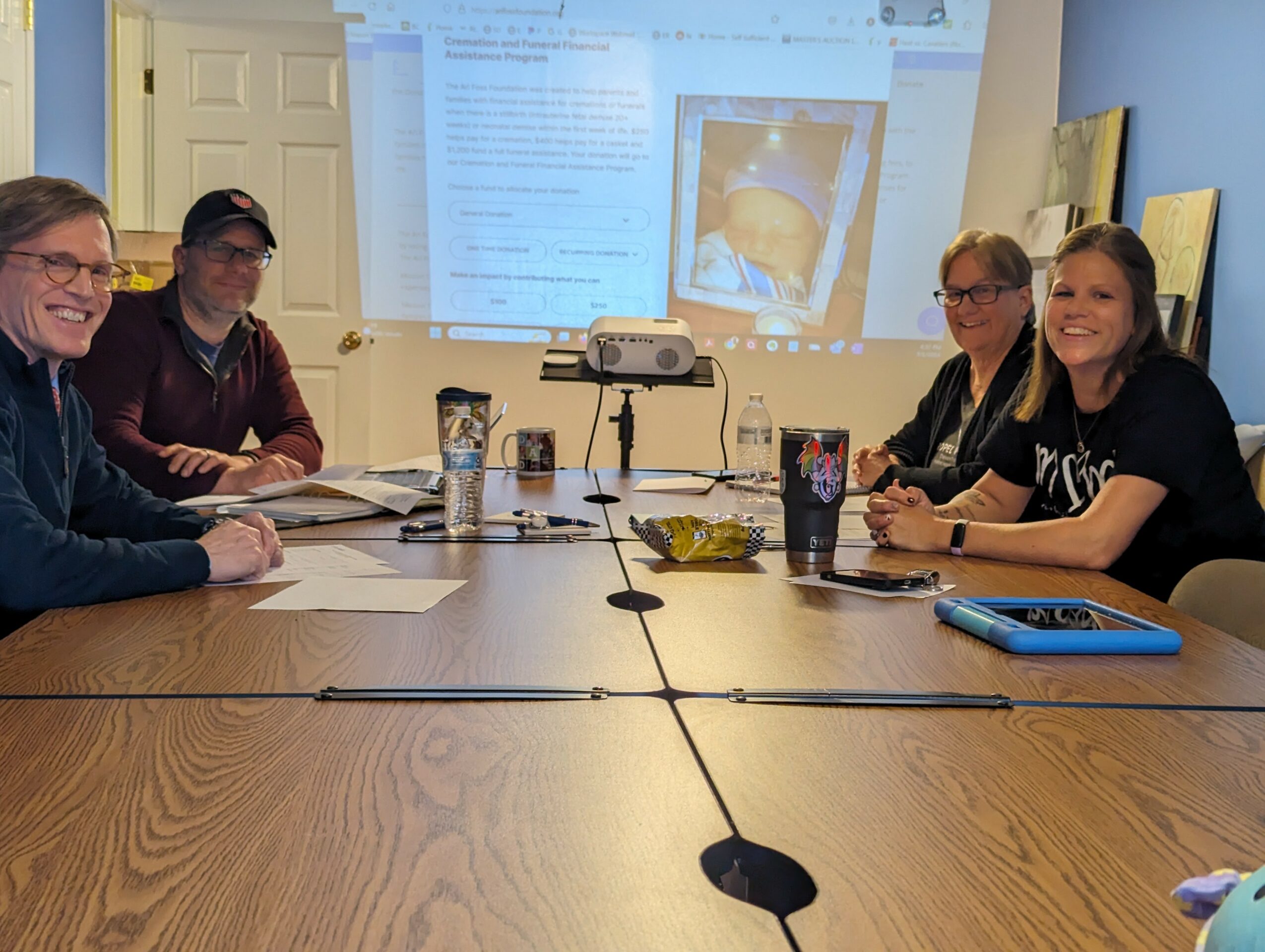
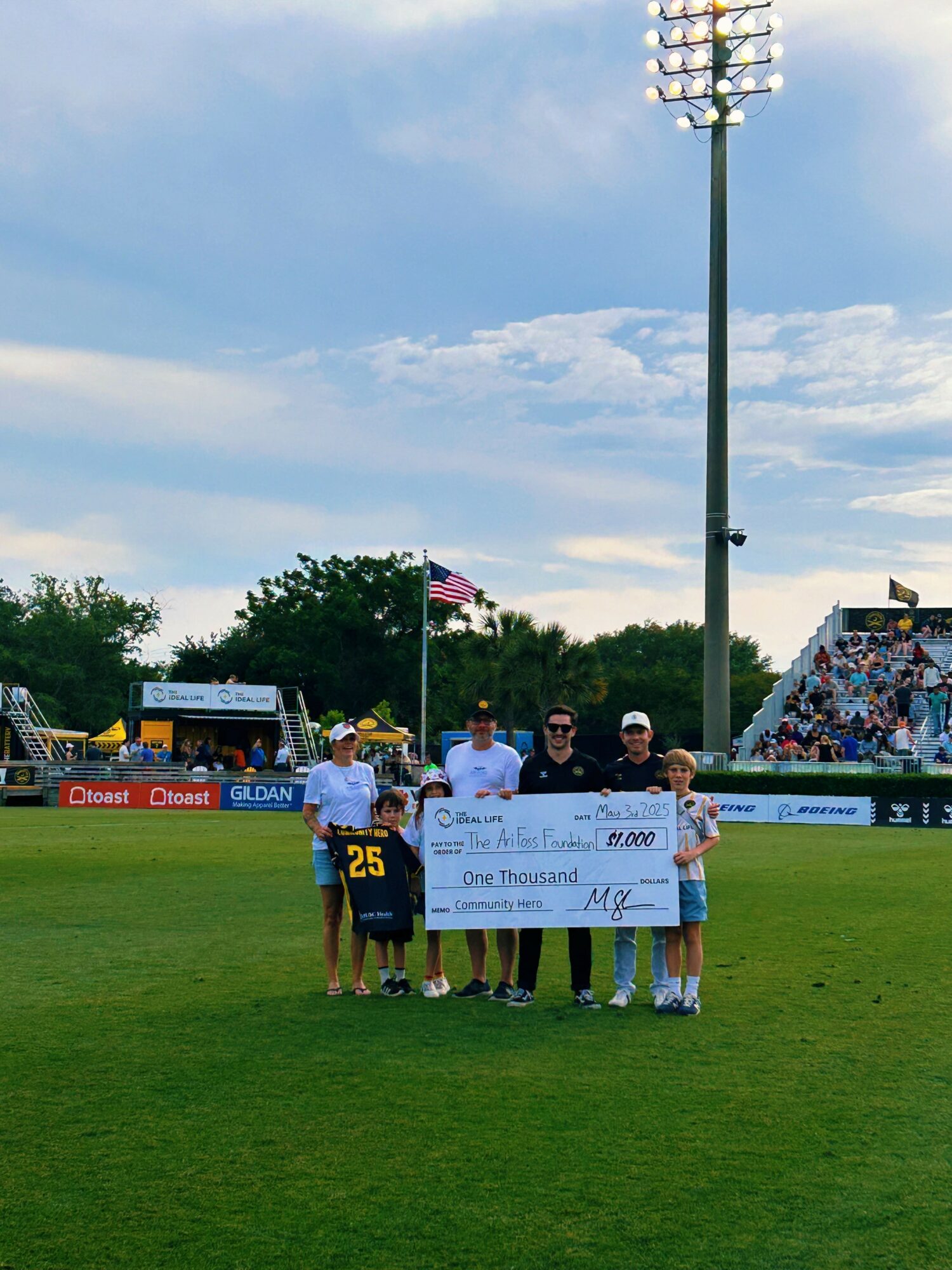
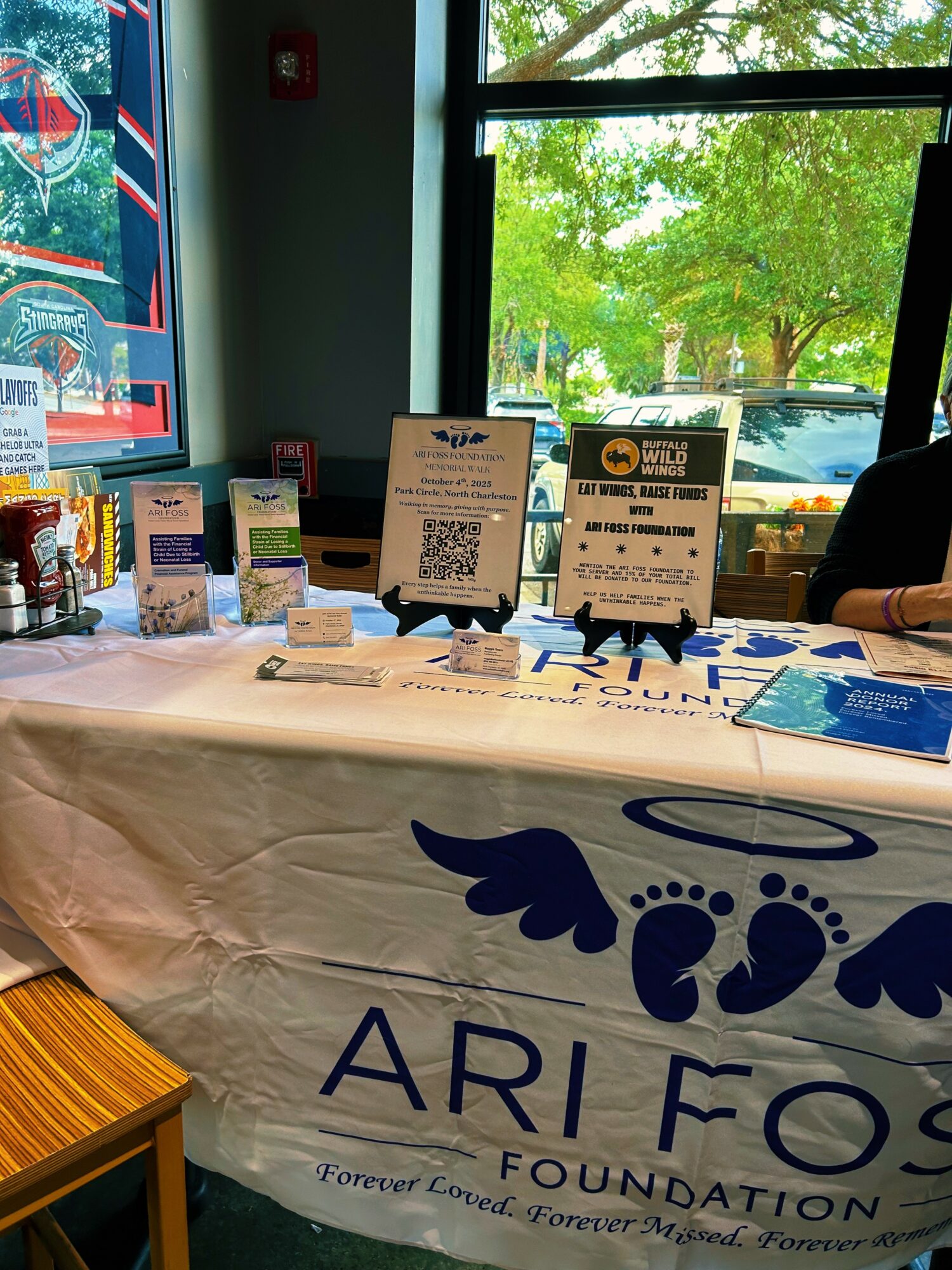
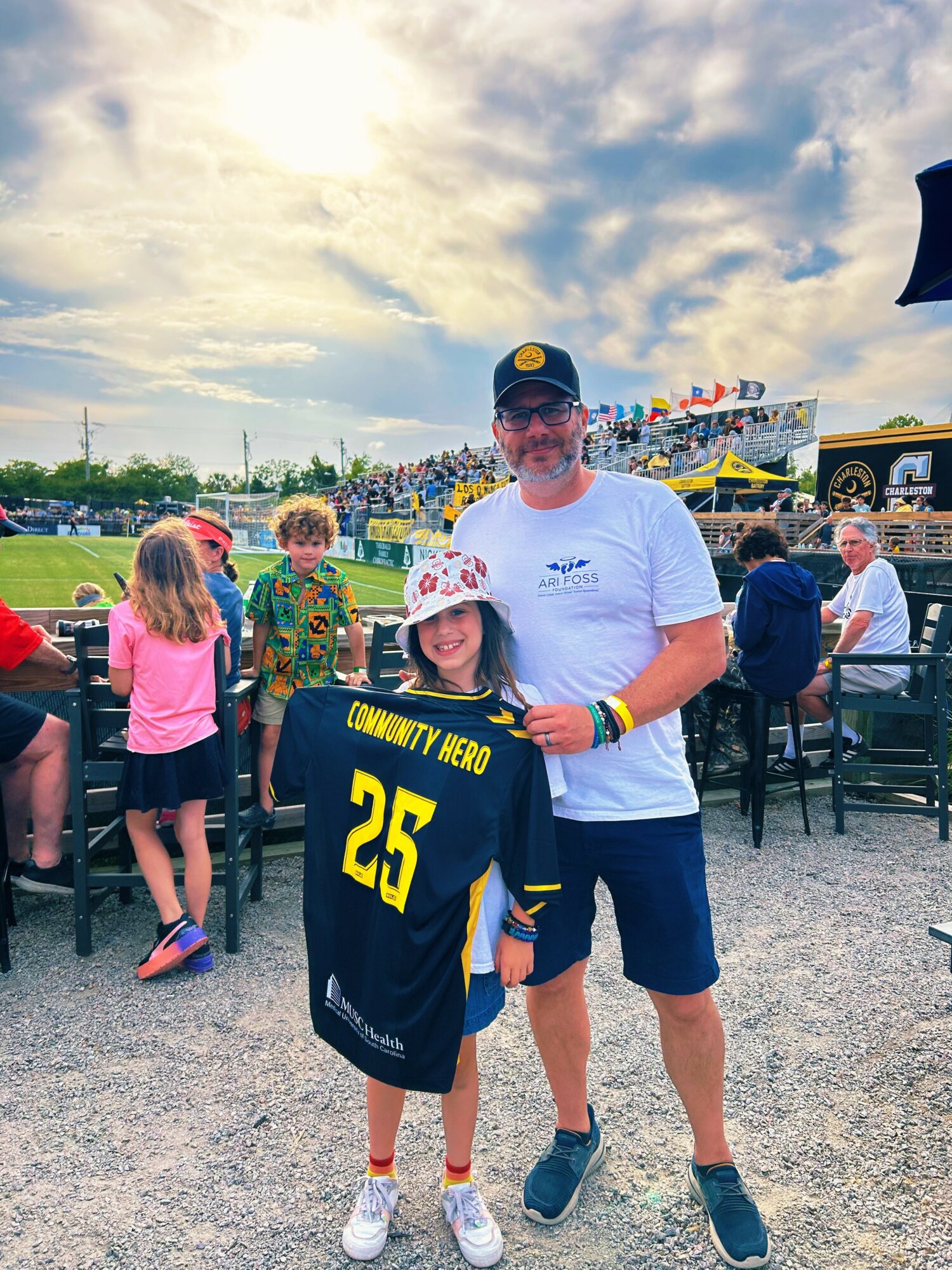
The Ari Foss Foundation was created to help families overcome the financial stress created by losing a child through a stillborn death or neonatal demise. Initially, the plan was to create and distribute educational information and brochures to families to help them plan a funeral and then expand into helping pay for funerals. After years of wanting to get started but not finding the time to develop the educational material, we decided that we should jump to paying for funerals and cremations. We had some funds in the bank account, and it was beyond time to put the money to good use.
In 2023, we created the Cremation and Funeral Financial Assistance Program (CFFAP) and started working with the Palliative Care Team at MUSC. They referred families to us that needed the CFFAP and met our criteria. In 2023, we paid for four cremations/funerals.
In 2024, we paid for eight cremations/funerals. Also in 2024, we started building a family referral relationship with Roper St Francis Healthcare.
Already this year (2025), we have paid for twenty five cremations/funerals.
We recently received a grant to develop an Education and Support Program. This project will have two objectives: 1 – cremation and funeral planning education and steps and 2 – post financial support help, this will focus on mental health through a variety of resources. We do not plan on providing the resources. Our goal is to be an informational hub that connects to already established provides and resources.
Alright, so let’s dig a little deeper into the story – has it been an easy path overall and if not, what were the challenges you’ve had to overcome?
Our biggest challenge is getting information to families when they need it. That is why we have focused on working with hospitals to give families our informational brochure when there is a stillbirth or neonatal loss.
When we lost Ari, we were not given any information, so I can go Google search other to plan a funeral and find the resources I needed. Basically, the hospital give not offer any resources to help with this.
We are trying to fill that need.
Another challenge is funding. Yes, every non-profit says that. But many services provide a service and often have volunteers fill those needs. Since we directly pay for cremation and funeral expenses, our ability to support families is directly tied to the amount of money we raise.
Great, so let’s talk business. Can you tell our readers more about what you do and what you think sets you apart from others?
The Ari Foss Foundation was created to help families overcome the financial stress created by losing a child through a stillborn death or neonatal demise.
We do this by directly payment for cremation (up to $500) and funeral (up to $1,200) expenses. We work with MUSC and Roper St Francis Healthcare to refer families to us when they have a stillbirth or neonatal loss.
We are developing an Education and Support Program. This project will have two objectives: 1 – cremation and funeral planning education and steps and 2 – post financial support help, this will focus on mental health through a variety of resources. We do not plan on providing the resources. Our goal is to be an informational hub that connects to already established provides and resources.
Two things sent us apart from similar organizations:
1. We are in the hospitals and are actively trying to get our information to families when they need us rather than waiting for the families to find us online.
2. We do not ask families to exhaust other forms of assistance. We are willing to be a first line of financial assistance.
Both of those items are done to help families focus on grieving.
I am grateful we are able to help families when the unthinkable happens.
Is there anything else you’d like to share with our readers?
Losing a child changes one’s life – especially when you are expecting a healthy baby, and the unthinkable happens and you lose that child.
This is more common than most people think. According to the South Carolina Department of Public Health, there were 358 fetal deaths in 2022 and 309 in 2023 and 256 neonatal deaths in 2022 and 252 in 2023. In 2022 and 2023, that is 627 and 561, respectively, families that potentially needed our assistance. 2023 is the most recent year with publicly available data.
In 2023, there were 57,729 live births. That is 1 stillbirth or neonatal loss out of 103 live births.
Contact Info:
- Website: http://arifossfoundation.org/
- Instagram: https://www.instagram.com/arifossfoundation/
- Facebook: https://www.facebook.com/arifossfoundation
- LinkedIn: https://www.linkedin.com/company/ari-foss-foundation/