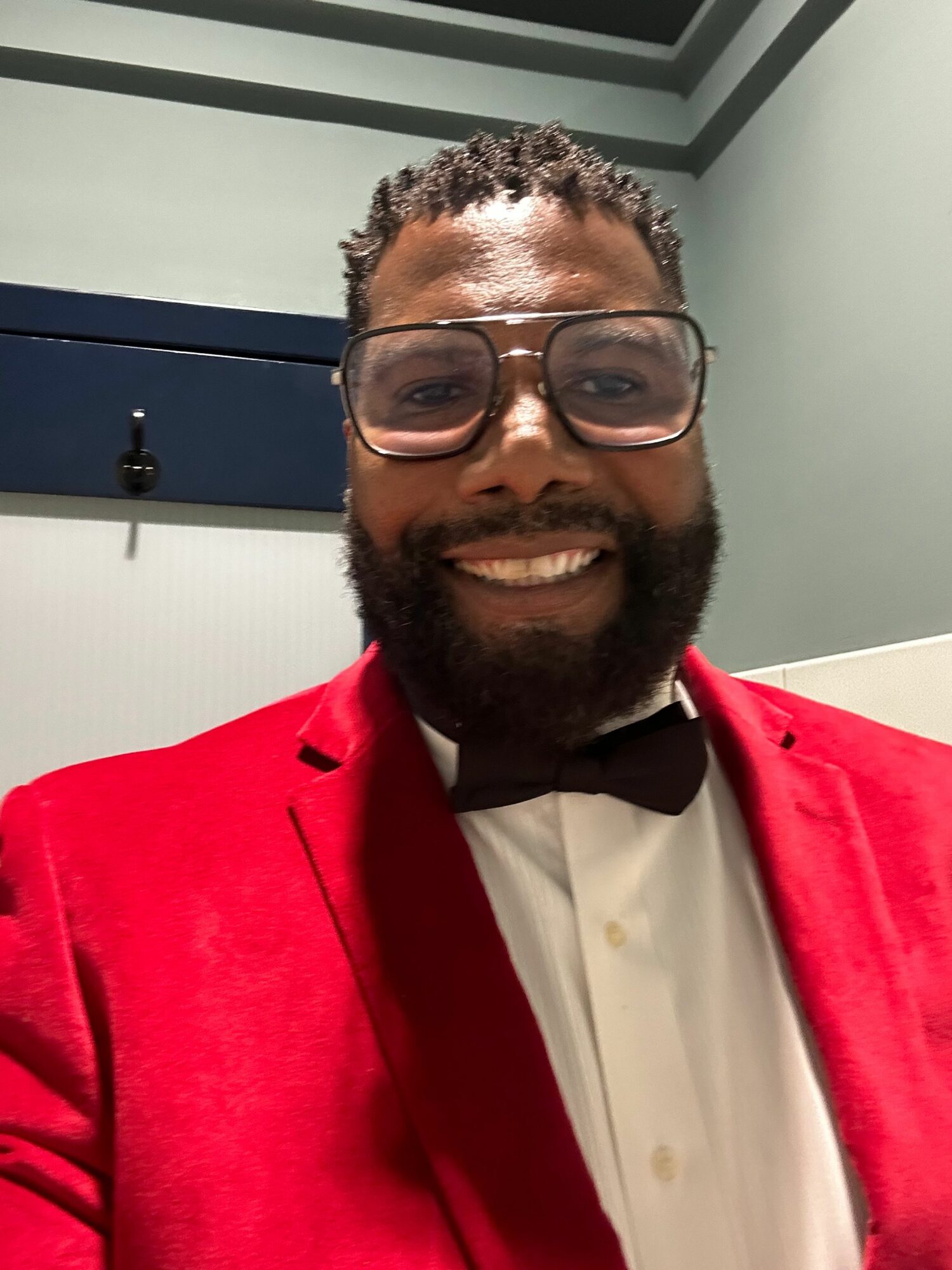
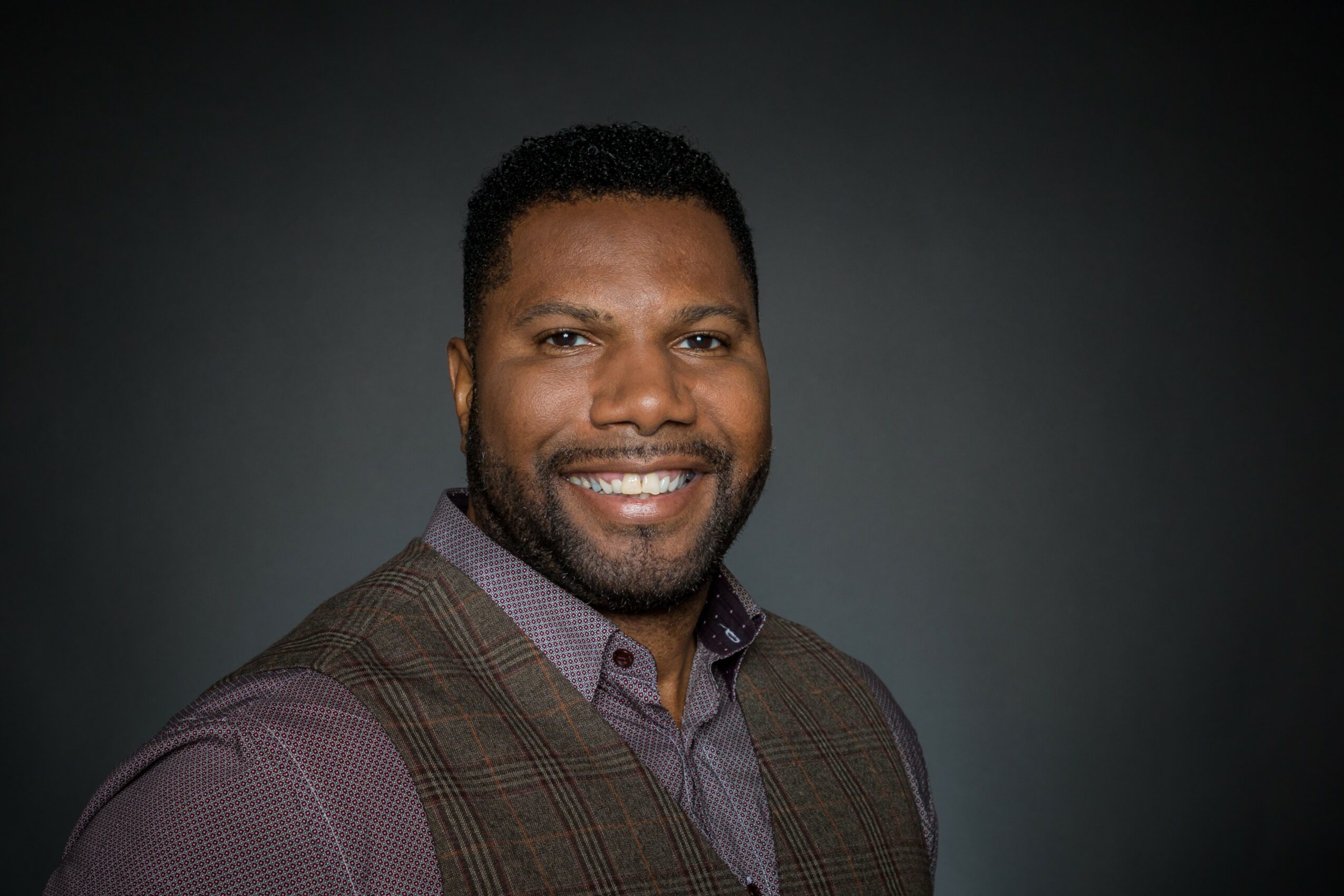
Today we’d like to introduce you to Jermaine Husser.
Jermaine, we appreciate you taking the time to share your story with us today. Where does your story begin?
Growing up in South Carolina, I was raised by a mother who worked as a substitute teacher and a father who spent long hours at Mobay Chemical. . We didn’t have much, but I never felt like we were lacking. My parents instilled in me a powerful lesson early on: give to others, because someone always has it harder than you. That principle of compassion became a cornerstone of my life.
Summers were spent in the small town of Cross, SC, where I worked alongside my grandparents in the tobacco fields and soybean patches. It was hard work—sun up to sun down—but it taught me discipline, responsibility, and the dignity of hard work. When I wasn’t in the fields, I was selling watermelons by the roadside with my cousin and grandfather or riding with my grandmother to the local Food Trust—what many simply called the food bank.
But it wasn’t just about picking up food. What stood out most were the afternoons we spent delivering those bags of groceries door to door, especially to seniors who were often forced to choose between food and medicine during the middle of the month. My grandmother called it “being a missionary,” but it was more than that to me. . It was a ministry of showing up. I saw the power of a warm smile, a kind word, and simple act of being present That experience left an imprint on my heart that would guide every step of my career.
After serving four years in the U.S. Army, I found myself drawn back to that same spirit of service. Since 1997, I’ve worked in the nonprofit sector—not just to serve neighbors in need but to inspire and equip others to do the same. Whether working at the national level of an organization or alongside frontline team members, I’ve seen firsthand how service can transform lives—not just for those receiving, but for those giving as well.
Today, as the Executive Director of Our Lady of Mercy Community Outreach Services, I still carry those early lessons with me. It’s not just about providing food, access to healthcare, or education. It’s about building relationships. It’s about leading with compassion and dignity. It’s about remembering the joy on a senior’s face when someone showed up just to check in and show they cared.
This work is more than a job—it’s a calling that began in my grandparents community and continues today with every neighbor we serve.
I’m sure it wasn’t obstacle-free, but would you say the journey has been fairly smooth so far?
Leadership often grows in the soil of adversity—and I learned that firsthand during one of the most defining chapters of my career. Early on, while working in food security, I faced one of the largest logistical and emotional challenges I had ever encountered: moving an entire warehouse of food from Ladson, SC to North Charleston. It was a monumental task, but we made it happen.
Years later, just when we had settled into our new location on the old naval base, we were told we had to move again. Redevelopment was coming, and we had neither the time nor the resources for another major transition. To make matters even more complex, I had just been promoted to Executive Director in the middle of it all.
What followed was an 18-month journey that felt like a lifetime. We were working to find a new facility while simultaneously trying to raise $5 million for a capital campaign—one that would ultimately reshape the Lowcountry Food Bank’s future. There were long days, sleepless nights, and moments when I had to just sit in silence, meditate and pray for a miracle. But what got us through was the very thing we champion every day: community.
I witnessed how investment from donors, whether large or small, could completely shift momentum. Our campaign, which started slowly, hit a turning point when we received our first $1 million gift. It was the encouragement we needed to believe that our vision was possible.
One moment that sticks with me to this day happened during a meeting with a thoughtful, high-profile donor. My campaign chair and I were deep into our pitch when—suddenly—a rat ran across the floor behind her. We looked at each other in disbelief, thinking we had lost the opportunity completely. But despite the unexpected visitor, the meeting turned into one of the most successful we’d had. It served as a strange but powerful catalyst for the completion of our campaign.
Eventually, we moved into a brand-new, 55,000-square-foot space—one that still serves the community today. That building is more than bricks and mortar. It’s a symbol of perseverance, the strength of local investment, and what can happen when neighbors come together for a common purpose.
That experience stretched me as a leader, taught me how to find calm in chaos, and reminded me why this work matters so deeply. Community isn’t just who we serve—it’s who walks alongside us when the mission needs to move.
Thanks – so what else should our readers know about your work and what you’re currently focused on?
When I look back at my journey—from working in the field as a child to serving in the military, advocating for education reform at the State House, and leading programs that connected veterans to critical resources—I see each chapter as preparation for the role I hold today. Becoming Executive Director of Our Lady of Mercy Community Outreach feels like the culmination of every experience, every lesson, and every moment of purpose-driven work throughout my career.
Our mission is anchored by four key pillars: basic and immediate needs, education, employment, and wellness. Together, these allow us to serve our neighbors holistically—meeting neighbors where they are and walking alongside them toward long-term stability. Each year, we serve nearly 6,000 individuals across the Lowcountry. And while the needs have grown more complex, so too has our determination to adapt and respond.
In an era marked by declining philanthropy and tightening state and federal budgets, creativity and innovation are no longer optional—they’re essential. We’re constantly reimagining what sustainability looks like in this work, ensuring that we remain a steady presence for the people who count on us most.
One of the most fulfilling parts of my role is building the next generation of leaders in service. Whether I’m speaking to elementary students about the power of compassion or inspiring volunteers who believe in our mission, I find joy in helping others discover their own capacity to serve. Recruiting talent with not just the skill—but the heart—for this work has remained a passion project of mine.
My personal goal is to impact one million lives before I take my final lap around the sun. Since 1997, I’ve been on that journey. And at Our Lady of Mercy Community Outreach, I’ve been given the platform, the purpose, and the community to keep pressing forward toward that vision.
Because at the end of the day, it’s not just about programs or numbers—it’s about people. And serving our neighbors is the most sacred work I know.
Contact Info:
- Website: https://Olmoutreach.org