
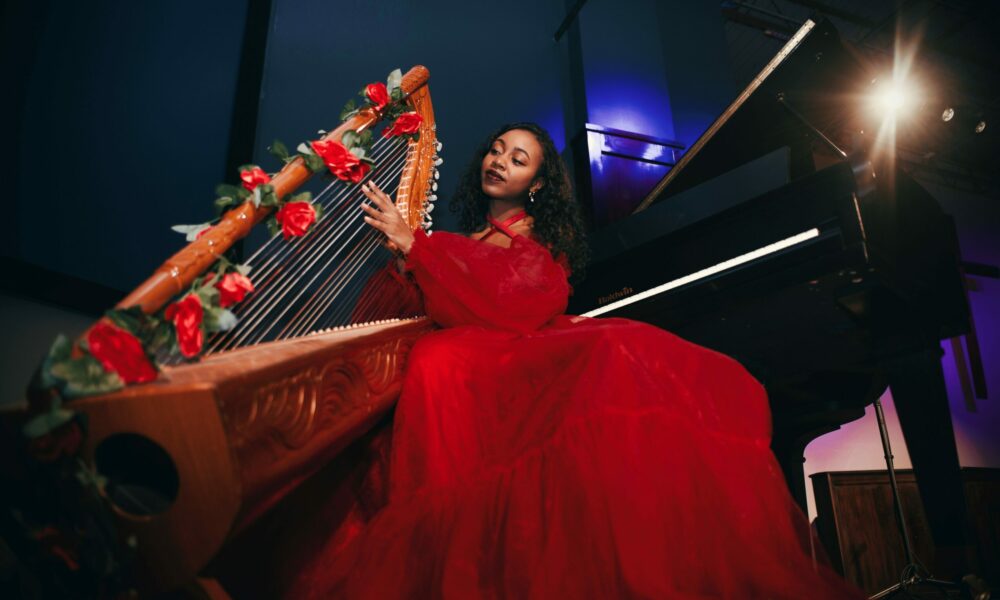
Today, we’d like to introduce you to Tyné Angela Freeman.
Thank you so much for sharing your story and insight with our readers. To kick things off, can you tell us a bit about how you got started?
Thank you for having me! I started singing and writing songs very early on. I don’t remember a specific starting point, but it feels like that’s always been a natural path for me. I’ve been dreaming up song lyrics and album concepts since I was very young.
When I was 15, I learned about music production software, also known as Digital Audio Workstations (DAWs). I had already been writing lyrics for a while, so I used a DAW called FL Studios to create instrumental tracks for ten of my songs. Having a background in piano and formal violin training helped me grasp music theory and play various instrument parts for each track. My ear and musical intuition had also been developed through years of singing Gospel music in church.
As I moved through high school, music was my outlet. It helped me discover my voice and find the bravery to set big goals. I felt a sense of drive and purpose as cool experiences began to materialize over the years, from performing at the Kennedy Center, to releasing my first album, to being featured by Seventeen Magazine.
I studied music at Dartmouth, and my work began to branch out in an academic direction. A highlight was traveling to several countries and composing cross-cultural music with artists. I was blessed to work with an incredible ethnomusicologist and professor at Dartmouth named Ted Levin, who remains a mentor.
Shortly after I finished my master’s, COVID happened, which slowed things down, but I wrote a novel during that time based on my master’s thesis. Thankfully, opportunities gradually began to reemerge. In the years that followed, I’ve been able to open for Vanessa Williams and Lalah Hathaway, perform frequently, release another recording project, and build a harp.
I’m now embarking on a PhD focused on building instruments with sustainable materials. I also recently launched a tea line for vocalists called Vox Tea.
Can you talk to us about the challenges and lessons you’ve learned? Looking back, would you say it’s been easy or smooth in retrospect?
There have certainly been challenges along the way. I consider every rejection a redirection, and I believe the challenges I’ve faced have been purposeful. One recurring challenge of this artistic path is figuring out how to balance creative pursuits with practical concerns and making a living. When I released my first album in 2010, I remember getting physical CDs printed. In contrast, my most recent project, released in 2022, went straight to digital distribution platforms.
The amount a musician can make through streaming royalties doesn’t compare to CD sales. As artists, we’re grappling with these types of changes, and we have to find new ways to monetize our craft if that is the objective. Many artists have leaned into touring and selling merch. Alternatively, we can take on unrelated or semi-related jobs to support ourselves, diversifying the sources of income. There are many ways to design your life, and it doesn’t have to look one particular way.
Another challenge is embracing who I am as an introverted and introspective person, while also finding ways to to share my art. That doesn’t always come naturally for me. I am still figuring out what a sustainable career in music looks like and defining what success really means to me.
I appreciate you sharing that. What else should we know about what you do?
Lately, I’ve been focused on designing and building musical instruments with sustainable materials.
This is a new direction for me; I’ve enjoyed learning CAD, developing a better understanding of acoustics, and venturing into the world of 3D design. I have always loved musical instruments. I find it exciting to be able to create instruments and exercise another part of my brain while still being creative. I recently constructed a harp out of carbon fiber and learned so much through documenting the process.
Singing and songwriting remain at the core of my artistry. I’m currently working on a new album called VOICE. This is the project I feel most proud of to date. For the past 15 years, I’ve been developing my mastery of DAWs and my refining my compositional skills. I look forward to sharing this project, which reflects a lot of musical and personal growth.
In terms of your work and the industry, what are some changes you expect to see over the next five to ten years?
AI is the big potential game changer that seems to be looming over the creative industries. I teach at a college, and I see some students beginning to utilize ChatGPT on written assignments. Several platforms have now introduced Artificial Intelligence that is capable of generating novel music compositions, with some even featuring vocals.
I’m keeping an eye on areas of the industry, such as music composed for advertisements. As this technology improves, companies may feel compelled to save on costs and time by using AI rather than commissioning human artists. However, I believe that humans will continue to discover unique niches and find ways to add value. Ideally, AI comes into play as a collaborative tool that enables us to optimize and organize, ultimately prompting us to elevate our objectives and explore new depths of human potential.
I used to dream of getting signed to a label, but the industry has shifted in major ways. Artists now have to wear many hats. We create the music, but in order for it to be heard, we also have to learn how to effectively market it. It’s important to invite people into the story. This ties in with the challenges mentioned above. Many of us are reimagining and reshaping our goals, carving out new paths to get there.
Social media and streaming platforms have also altered the landscape in a major way. The gatekeepers have been eliminated, as anyone can create and share music, democratizing the industry. We have seen massive changes in this era, which can seem daunting. Sometimes, it feels like things are continually in flux. I remain grateful to be navigating a music-oriented journey, even as roles shift and processes change. I think the key is remaining innovative and optimistic.
Contact Info:
- Website: tyneangela.com
- Instagram: instagram.com/tyneangela
- Youtube: youtube.com/tyneangela
- Other: voxtea.com
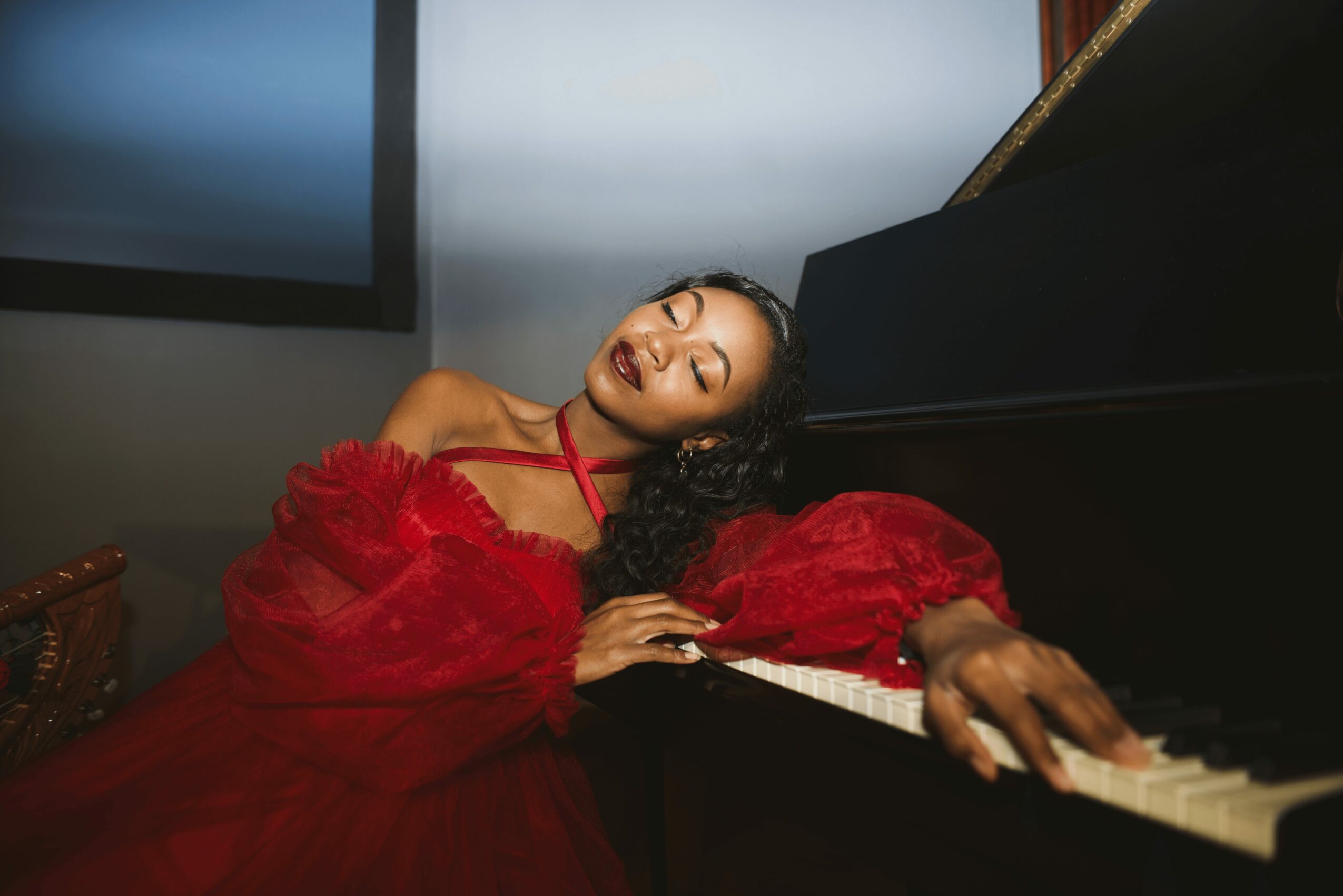
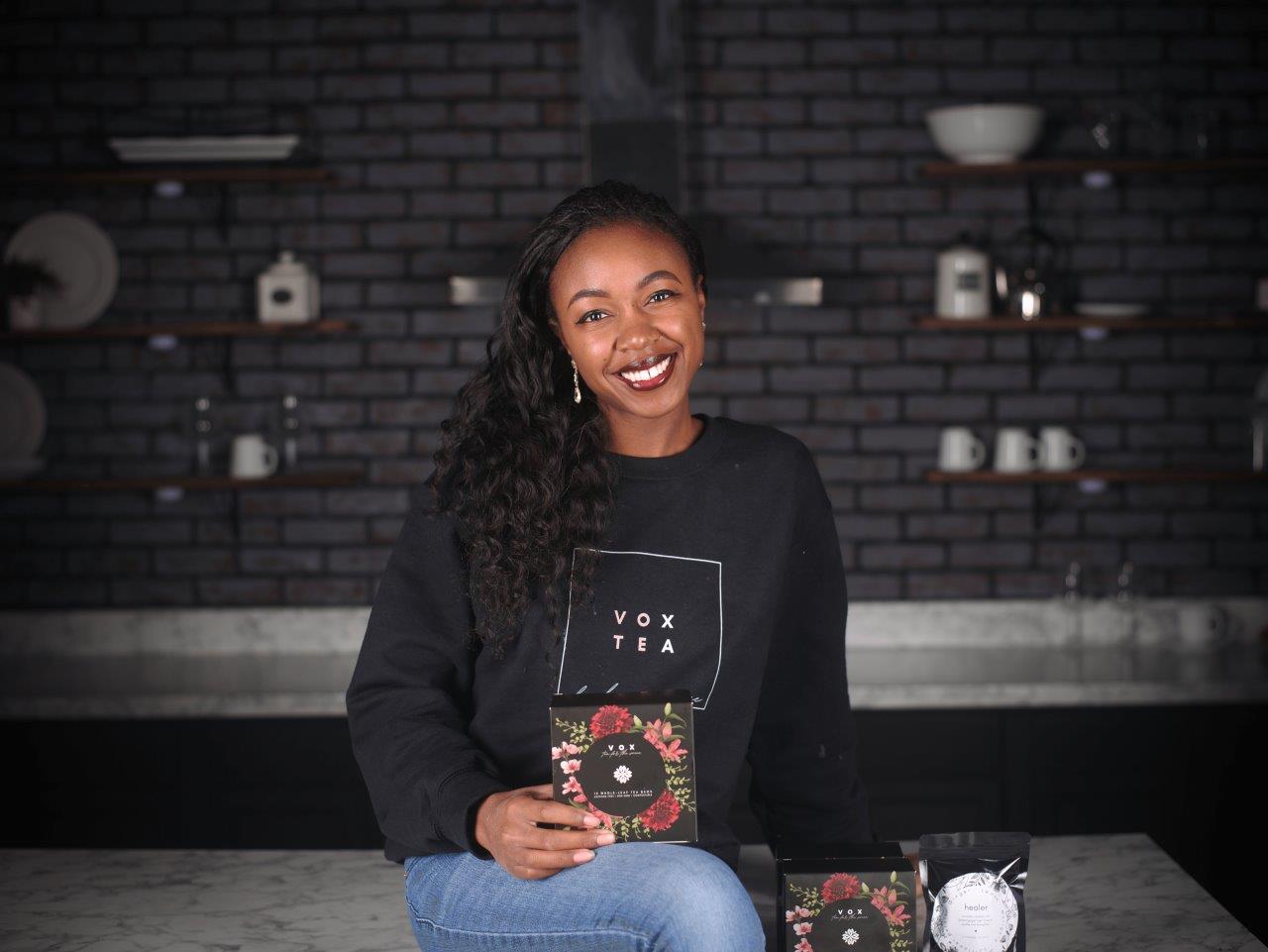
Image Credits
Brandon Waller