
Today we’d like to introduce you to Kelly Fort. They and their team shared their story with us below:
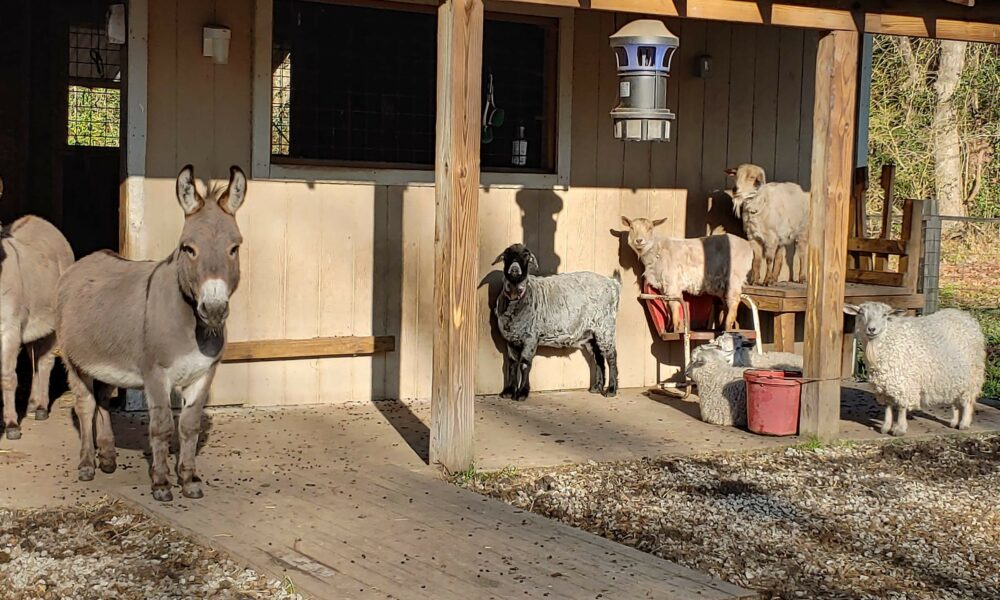
Dale and Kelly Fort moved to Wadmalaw Island in 2015, mainly so Dale could have a shop for his woodturning. We also wanted more space. Kelly is a fiber artist who always wanted to raise fiber animals. We found this beautiful property on the marsh at the top of Leadenwah Creek and immediately fell in love with it. There was already a shop for Dale. We built a chicken coop in 2016 and our goat barn in 2017. We bought 4 Pygora goat kids in July 2017, and Pluff Mudd Farm was born. We have since added 2 mini donkeys to guard the goats. In 2020, we welcomed our first and only Pygora kids. Three Valais/cross sheep joined us in 2022. We also grow indigo, which we process into a paste for dyeing and flax for fiber. We had to build the tools needed for processing flax. Kelly retired from teaching in 2017 and has become a farmer. She makes field trips for homeschoolers and other visitors who want to learn about fiber and textiles. She also teaches yarn spinning, beginning weaving, and indigo dyeing. Dale still works full-time but continues to work on his turning skills. He is the Charles Towne Wood Turning Guild president and teaches woodturning.
It wasn’t obstacle-free, but would you say the journey has been fairly smooth so far?
Neither of us grew up on a farm, so learning to care for the livestock has kept us busy! It is so rewarding, though. Learning to process our indigo and flax has also been a journey. Taking classes, researching, and trial and error have made us feel fairly proficient in both areas. We joined the SC Agritourism Association in 2018, and that has really helped us gain skills, find answers, and promote our farm.
Can you tell our readers more about what you do and what you think sets you apart from others?
There are few fiber farms in SC and even fewer in the coastal areas. We are very proud of our unique farm! Dale uses our indigo to dye some of his turned pieces. Kelly has been a knitter for most of her life. She began spinning yarn about 16 years ago. Weaving came along shortly after that. Along the way, indigo was a natural addition, especially with its connection to South Carolina. Flax was not historically grown here, but it is a fascinating plant fiber to work with. When flax fiber is spun into thread or yarn, it is linen! Only a few people know that. The process from plant or fiber animal to actual textile is advantageous. Slow fashion is a trend that is gaining notice and popularity. Our farm exemplifies this! When people come for tours, we first meet the animals. People can see firsthand the difference between wool (sheep) and mohair (goat), both on and off the animal. Then we processed some flax, talked about indigo, carded some wool, and spun a length of yarn to keep. I love involving kids and adults in these activities.
What changes are you expecting over the next 5-10 years?
The “Slow Fashion” movement will take hold, much like the slow food movement. Using natural fibers, being mindful of what we wear, and mending what we have will keep so much plastic/microplastics out of the waste stream. I’m working to plant those seeds in people’s minds. Humans also get so many benefits from working with their hands. The confidence, self-sufficiency, and problem-solving skills learned make us all better humans. I show people they can learn new things, find what they’re interested in, and go for it! Dale and I did not grow up as farmers or as makers!
Pricing:
- Farm tours/field trips $10/person
Contact Info:
- Website: https://www.pluffmuddfarm.com
- Instagram: Pluff Mudd Farm
- Facebook: pluffmuddhfarm
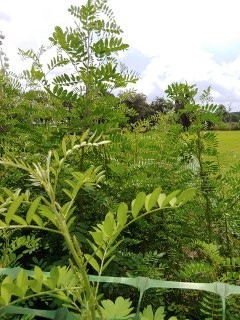
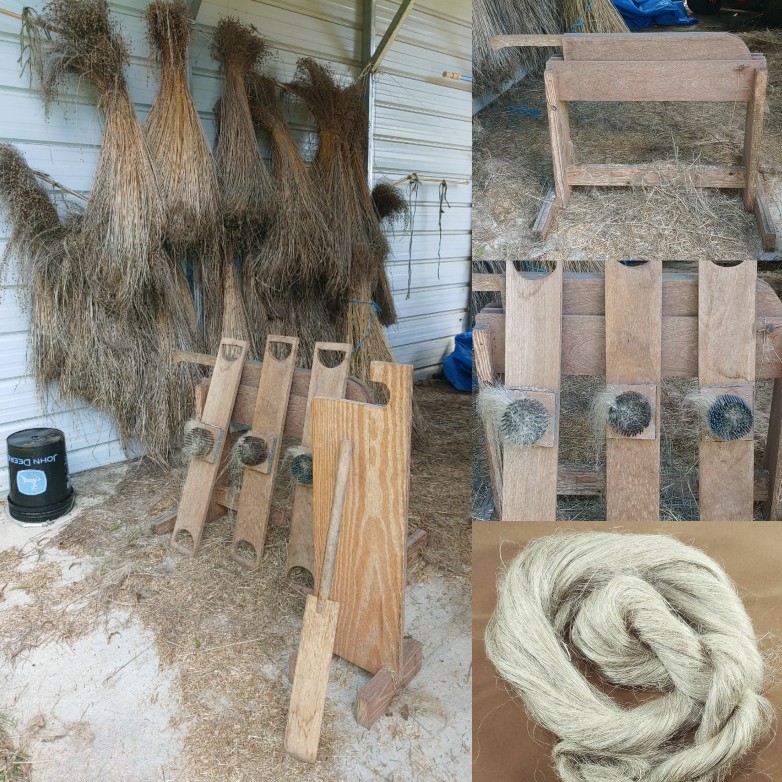
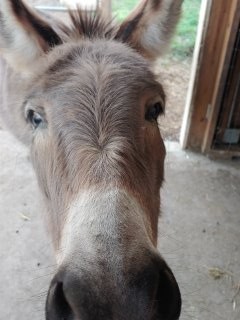
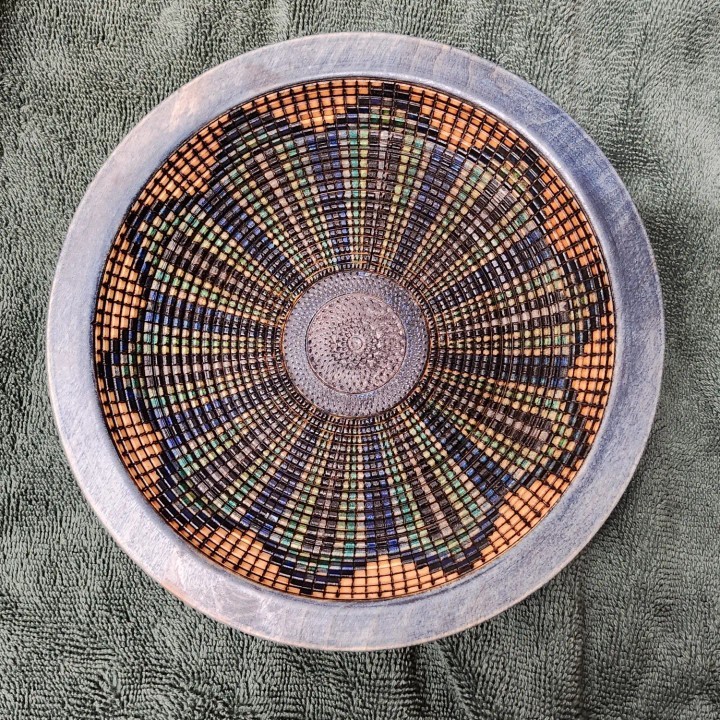
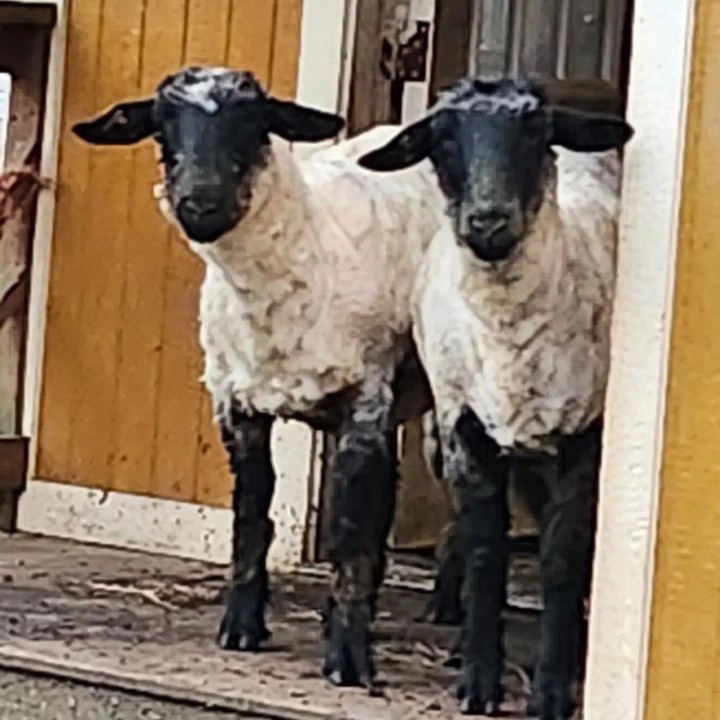
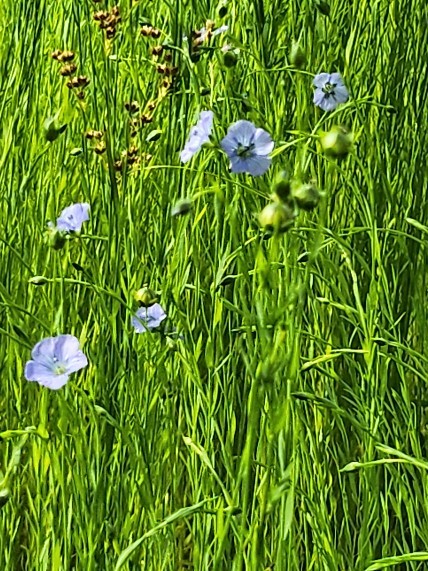
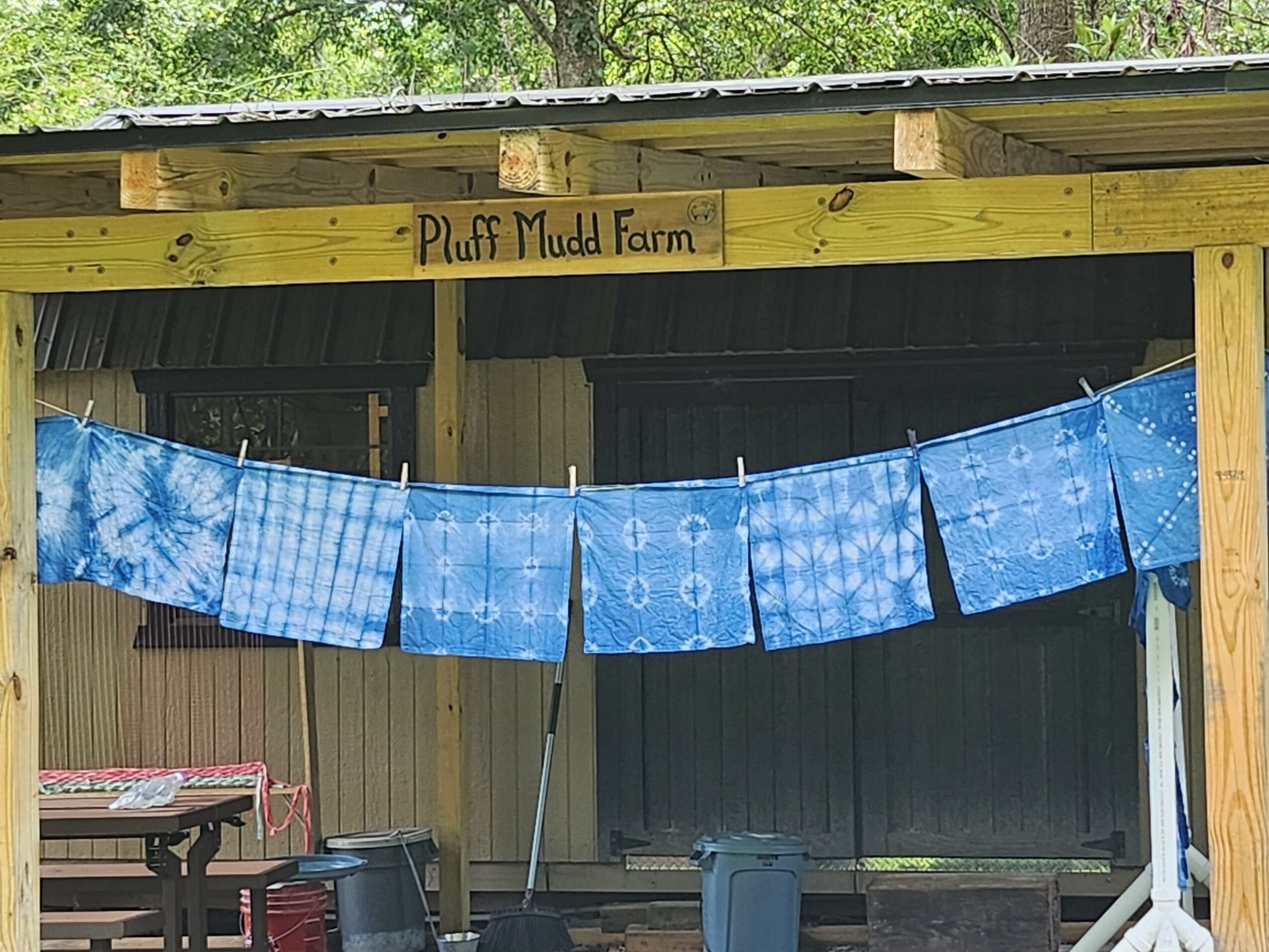
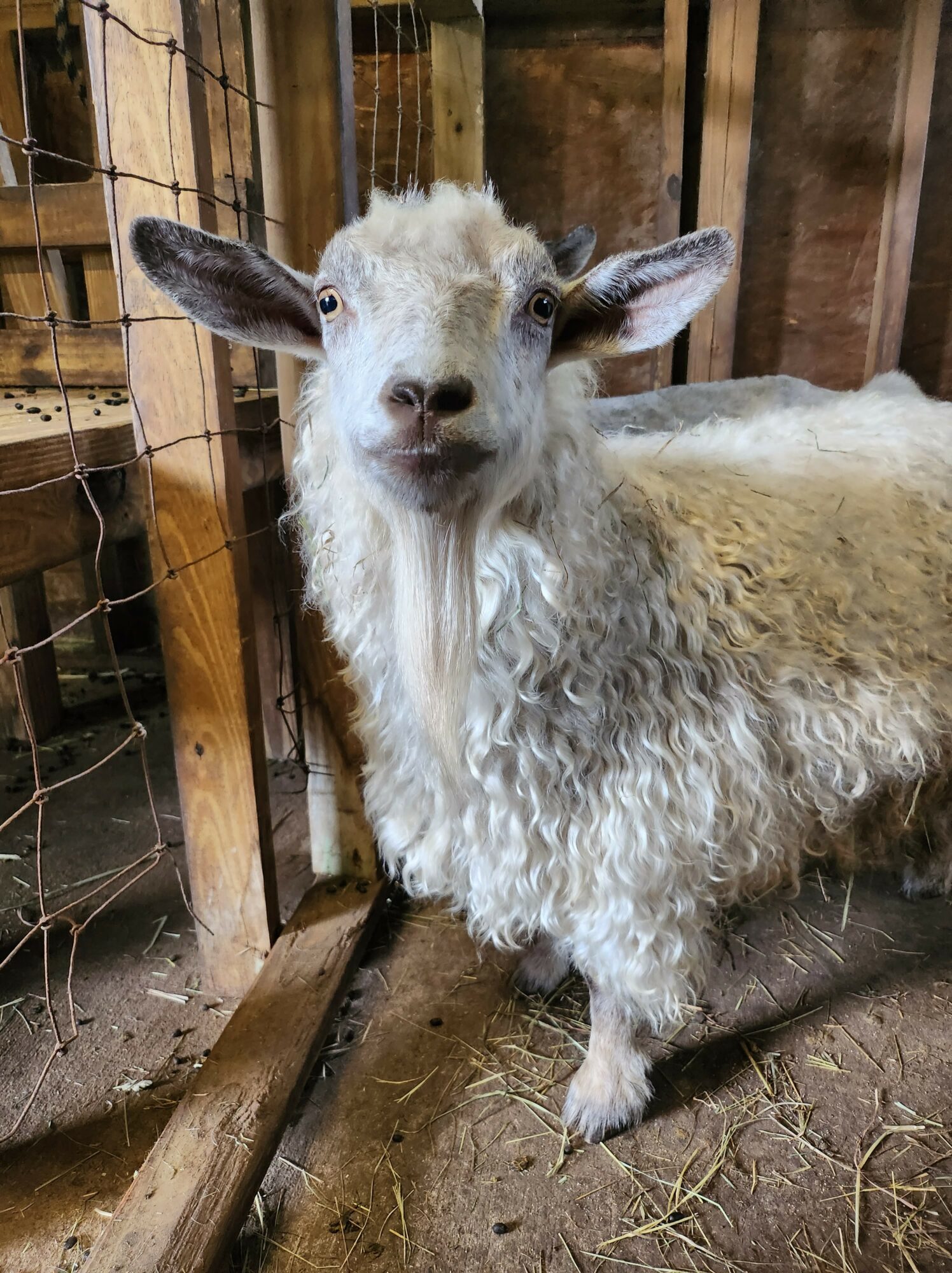 Image Credits
Photos by Kelly Fort