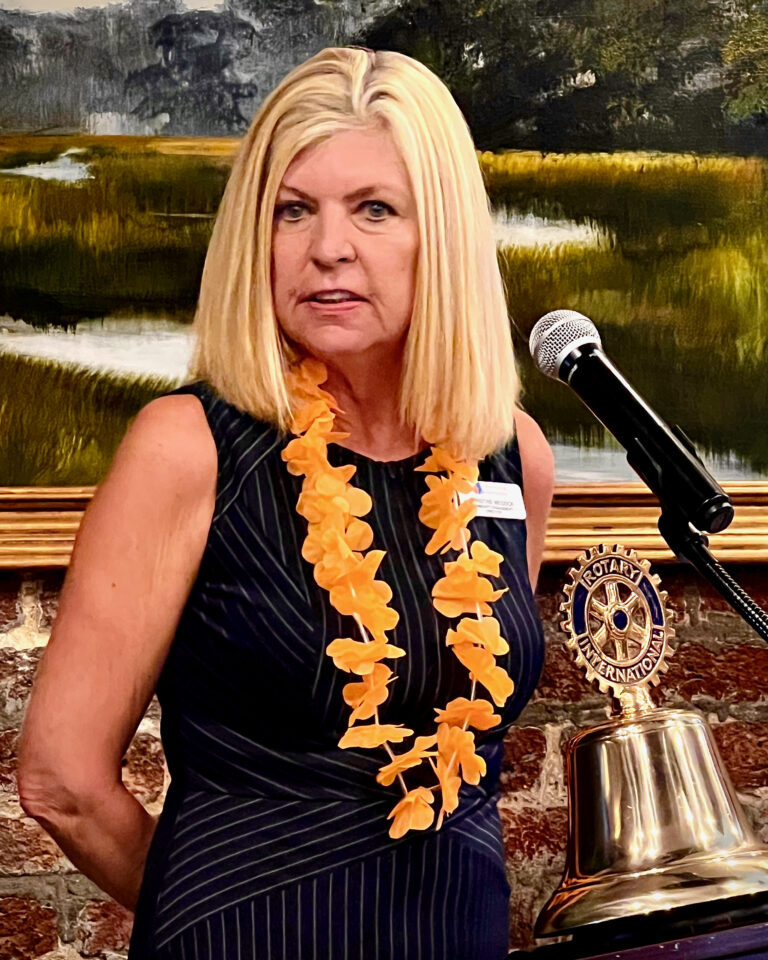
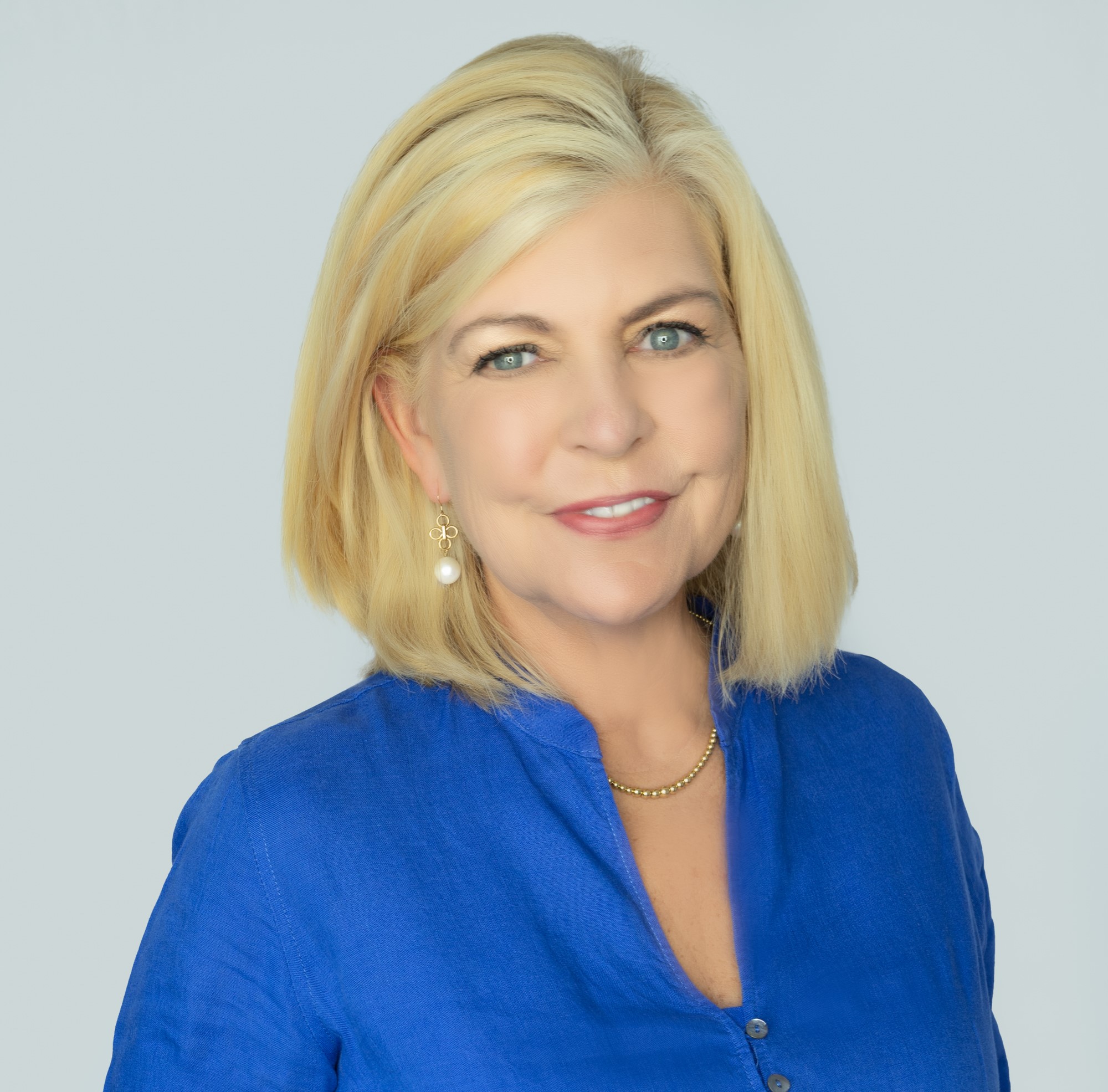
Today we’d like to introduce you to Christine Messick.
Hi Christine, thanks for joining us today. We’d love for you to start by introducing yourself.
I don’t think of my professional journey as a list of titles and jobs, but more like a walk through the winding path that brought me to where I am today. It’s been full of twists, detours, and moments of clarity I only recognized in hindsight.
I started out like a lot of people — unsure of what I wanted to do. In a family full of brilliant minds (doctors, lawyers, PhDs), I often felt like I didn’t quite measure up. My high school career test said I should be a social worker, but that didn’t feel prestigious enough at the time, so I brushed it off.
Instead, I chose to major in English — largely because my mother told me, “If you can read and write, you can do anything.” That advice has stayed with me ever since.
My first job out of college was with a friend of my brother-in-law, a brilliant entrepreneur building a new business. I learned a lot in that fast-paced, build-it-as-you-go environment and have used many of the skills I gained there multiple times. But when they couldn’t meet payroll anymore, I knew I needed to find something more stable — and more aligned with who I was becoming.
My next step took me to Charleston, SC, where my fiancé lived. I found work in advertising — selling and creating campaigns, flexing my creativity and leaning into my extroverted side. I did well financially, but I also learned something important: for me, meaning matters more than money.
I found that meaning at MUSC Children’s Hospital, where I began fundraising for pediatric programs. That job led to several roles — from supporting burn survivors to advocating for child safety — and eventually, I became the Director of Volunteer & Guest Services. That’s where everything shifted. I fell in love with the power of volunteerism. It was magic. I watched volunteers show up — consistently and selflessly — in one of the most emotionally difficult places imaginable. I was blessed to witness pure kindness and truly understand why God wants us to love our neighbors. I finally understood the power of service, and I remembered that career test. Maybe it was right after all.
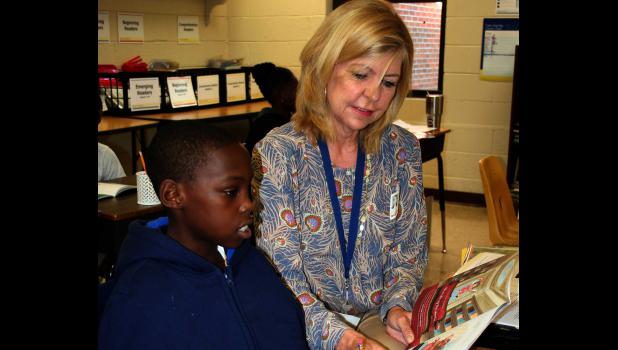
After leaving the hospital, I joined Reading Partners South Carolina as the Director of Community Engagement. Over the years, I had the privilege of recruiting, training, and supporting thousands of volunteers to help kids learn how to read. It was work that tapped into every part of me — my love of language, people, and purpose.
Then in early 2024, after stepping away from Reading Partners, I felt a clear and sacred pull — a call from God to take everything I’d learned and do something bold. That’s when Good Strategies was born. It started as a business to help nonprofits, businesses, families, and individuals connect through volunteerism — not just as a feel-good gesture, but as a powerful, strategic force for community change.
Now, I’m working to build a nonprofit arm — Good Strategies for Nonprofits — so that even organizations with limited resources can access support in building strong, intentional volunteer programs.
Looking back, I can see how each chapter — even the ones that felt uncertain or unrelated — was preparing me for this work. I didn’t always know where I was going, but God did. Every step, every lesson, every leap of faith has led me here — to a place where I get to help people and organizations come together in service, for something bigger than themselves.
Alright, so let’s dig a little deeper into the story – has it been an easy path overall and if not, what were the challenges you’ve had to overcome?
No, it hasn’t always been smooth — but I truly believe that every journey comes with challenges that shape us and strengthen us. In my case, a big part of the struggle was internal. For a long time, I spent so much energy worrying about what other people thought of me — how I looked, how smart or successful I was, whether I measured up. Honestly, it was exhausting… and, in hindsight, completely unnecessary. But at the time, it felt very real.
Letting go of that need for external validation was a turning point. Once I started to quiet that noise, I realized that one of my greatest struggles was learning to trust myself — to trust my own instincts and sense of purpose. Some of the hardest moments in my career have come when I ignored my gut and allowed others to talk me out of what I knew was right for me. That’s when things got off track.
The good news is, I’ve learned from those moments. They’ve helped me develop a stronger inner compass. I’ve learned that clarity often comes after the challenge — and that the rough patches aren’t setbacks, they’re stepping stones. They’ve helped me become more grounded, more resilient, and more aligned with what I’m truly called to do.
Great, so let’s talk business. Can you tell our readers more about what you do and what you think sets you apart from others?
Good Strategies started with the belief that volunteerism — when it’s done thoughtfully and strategically — has the power to transform lives, organizations, and entire communities. I’ve spent more than 30 years working alongside volunteers in hospitals, schools, and nonprofits, and I’ve seen the impact up close. So I created Good Strategies to help others harness that same power in a way that’s sustainable and meaningful.
We work with nonprofits, businesses, families, and individuals to build or strengthen volunteer programs. But we’re not just plugging people into roles — we’re helping organizations think differently about how they engage human capital. We use research-based tools, practical guidance, and a lot of listening to make sure every strategy fits the mission and culture of the organization we’re supporting.
What sets us apart is that this work isn’t just professional for me — it’s personal. I’ve lived it. I know what works. And I care deeply about making sure people don’t just volunteer — they connect in ways that build community and spark real change.
We’re also in the process of launching a nonprofit arm — Good Strategies for Nonprofits — to make sure smaller or under-resourced organizations can still access the support they need to grow their volunteer capacity.
More than anything, we want to be part of a bigger movement — one of many organizations committed to finding and harnessing a renewed interest in people loving their neighbors. Because at the end of the day, that’s what this is all about: helping people show up for one another, and building stronger communities, one relationship at a time.
Let’s talk about our city – what do you love? What do you not love?
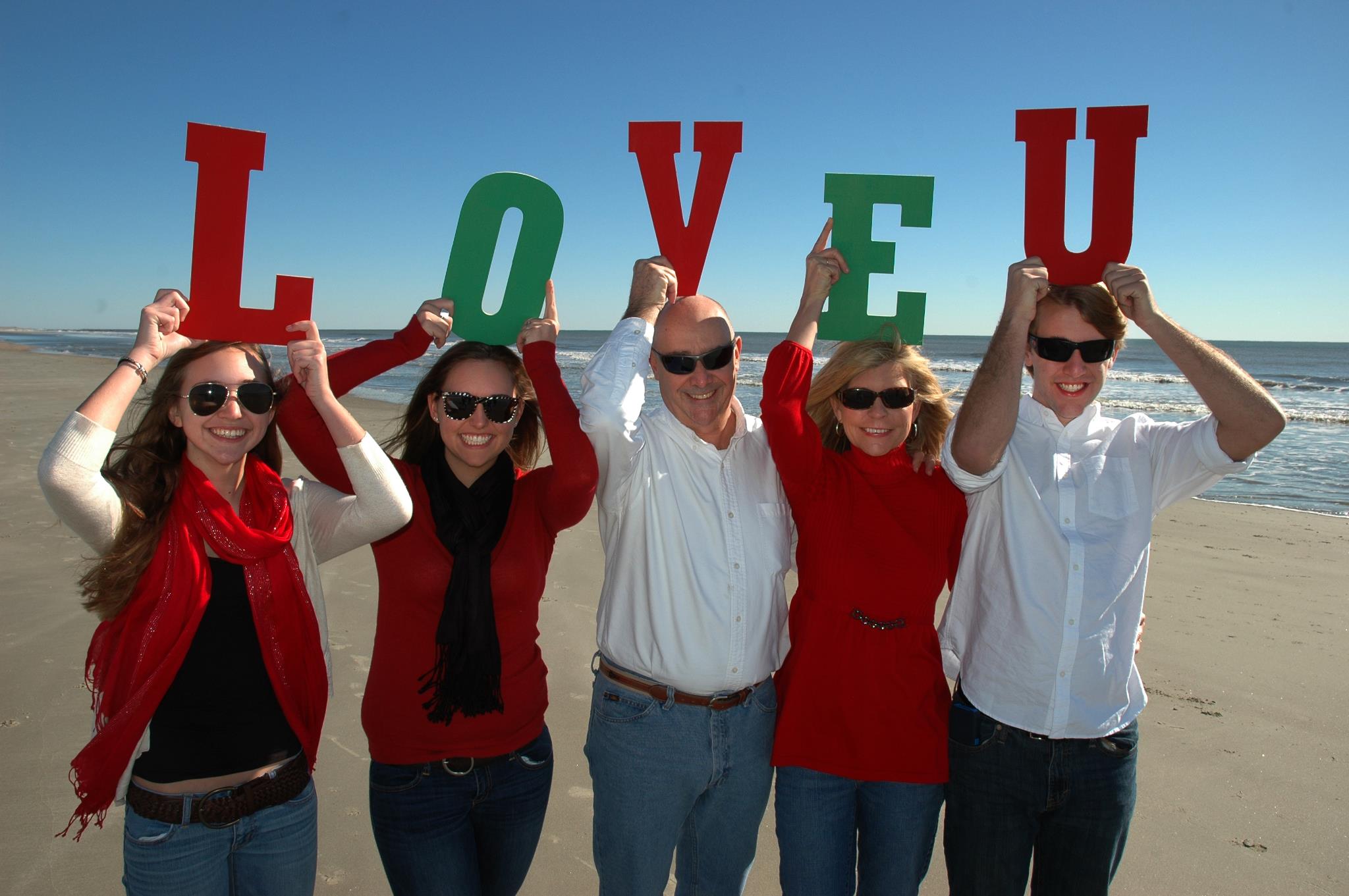
My husband and I have lived in Charleston for a long time and raised our family here — it’s home. We love so much about this city: the beaches, the food, the charm, and the sense of history around every corner.
That said, like any place, it has its challenges. Traffic is definitely one of them! But more importantly, what weighs on us is knowing that many of our neighbors still live in poverty and don’t have access to the same opportunities and privileges that we’ve been fortunate to have. That’s something we can’t ignore.
I would encourage my friends and neighbors to really learn about the disparities that still exist here — to see them not as someone else’s problem, but as something we’re all responsible for addressing. One of the most powerful ways to do that is by getting involved — volunteering your time, sharing your resources, or just being a little more intentional about how we care for one another. It starts with being willing to see, to listen, and to show up.
Contact Info:
- Website: https://goodstrategiesus.com
- Instagram: https://www.instagram.com/goodstrategiesus/
- Facebook: https://www.facebook.com/goodstrategiesus/
- LinkedIn: https://www.linkedin.com/company/good-strategies-us/