Today we’d like to introduce you to Terry.
Hi Terry, we’re thrilled to have a chance to learn your story today. So, before we get into specifics, maybe you can briefly walk us through how you got to where you are today?
I was born in Glendale, California, and grew up in North Hollywood, a suburb of Los Angeles. When I was in high school, my family moved north—first to Santa Rosa and then to a 40-acre orchard in Healdsburg, where we grew apples, pears, and prunes (which, contrary to what many people think, are not simply dried plums).
After high school, I moved to Oakland to begin college and eventually earned an undergraduate degree in English Literature from California Lutheran College in Thousand Oaks. When I was 35, I moved to Gainesville, Florida, where my oldest daughter, Julia, was born. I worked as a School Psychologist and later moved to Knoxville, Tennessee, where my youngest child was born.
I remarried in 1991, and in February 2012, my wife and I moved to Greenville, South Carolina, to be closer to family. As we age, we increasingly value being near one another for help, companionship, and support, while our family continues to expand through marriages and the births of grandchildren. I call it “circling the wagons.”
I grew up in the suburbs of Los Angeles in the 1940s, when the United States had roughly half the population it has today. Those were very different times, and the changes I have witnessed since then have helped shape one of my fundamental views of life: **Life is flux.** If that is true, then adaptation is the name of the game. In my own life, adaptation has repeatedly been required by change—that is, by reality.
Having two grown children from a previous marriage has sensitized me to the challenges associated with divorce, remarriage, and the formation of stepfamilies. My wife and mother-in-law were born in Iran and immigrated to the United States after the Iranian Revolution. Sharing my life with them has also taught me a great deal about cultural differences, immigration, and the ways in which people from different backgrounds learn to understand one another.
Professionally, I spent more than 30 years as a licensed psychologist. I earned a master’s degree from Loyola Marymount University in Los Angeles and worked as a School Psychologist for approximately 10 years. I received my doctorate in Psychology from the University of California, Santa Barbara, in 1982. In 1983, I began a private psychology practice in Knoxville, Tennessee, where I remained until moving to Greenville in 2012.
More recently, I decided to give up my psychology license and begin a new professional chapter as a coach—specifically, a **Life Stage Relationship Coach**. I made up the title because none of the usual coaching labels—Life Coach, Relationship Coach, Somatic Coach, and so forth—quite described what I wanted to do.
The idea grew partly out of my own experience of aging. Only after traveling a considerable distance down the road of life can we look back and see the road from the opposite direction. From that perspective, the stages we have passed through—and the ways we adapted to them—often become much clearer.
Sometimes coaching is relatively straightforward: two people work together to identify a problem, develop a strategy and a plan, and then put that plan into action. But sometimes that approach does not work. When it doesn’t, looking back at the various stages of a person’s life—and at how successfully or unsuccessfully the challenges of those stages were negotiated—can provide important clues about what is happening now and how to proceed.
Relationships are part of every one of those stages. They include relationships with spouses and partners, children and parents, friends and colleagues, and, ultimately, our relationship with ourselves. Those relationships change as we change. What worked at 30 may not work at 50, 70, or 80. Learning to recognize and adapt to those changes is at the heart of what I mean by Life Stage Relationship Coaching.
I am now partially retired and work four days a week, from 11 a.m. to 4 p.m., as a Life Stage Relationship Coach with Associates at Park Avenue in Greenville. I love the work and have no plans to retire completely. I intend to continue for as long as my health and circumstances allow.
After all, life is flux. I might as well keep adapting.
Would you say it’s been a smooth road, and if not what are some of the biggest challenges you’ve faced along the way?
By far, the greatest challenges in my life have been those that have developed as I have aged. For example, I foolishly assumed that retirement would provide ample time to pursue interests for which I had little time while working full-time. Once again, I was wrong.
Fully half of my time now seems to be devoted simply to maintaining my physical and medical functioning: an increasing number of doctors’ appointments, tests, surgeries, physical therapy, massage therapy, chiropractic visits, and exercise routines designed to slow the inevitable loss of flexibility and strength. Maintaining myself has become something of a part-time job.
In addition, my relationships with others and the roles I have traditionally occupied have changed. I am less often a leader and more often a follower. I am still respected, but I am no longer as central as I once was. There is a gradual movement from center stage toward the sidelines—a recognition that the world increasingly belongs to those who are younger and that my role in it is changing. To put it less delicately, I am being put out to pasture.
My wife and I often joke that we are now living life in the slow lane. There is humor in that observation, but also truth. Aging has required a kind of adaptation I did not fully anticipate: learning not only to accommodate changes in my body, but also to accept changes in my place in the lives of others and in the world around me.
Can you tell our readers more about what you do and what you think sets you apart from others?
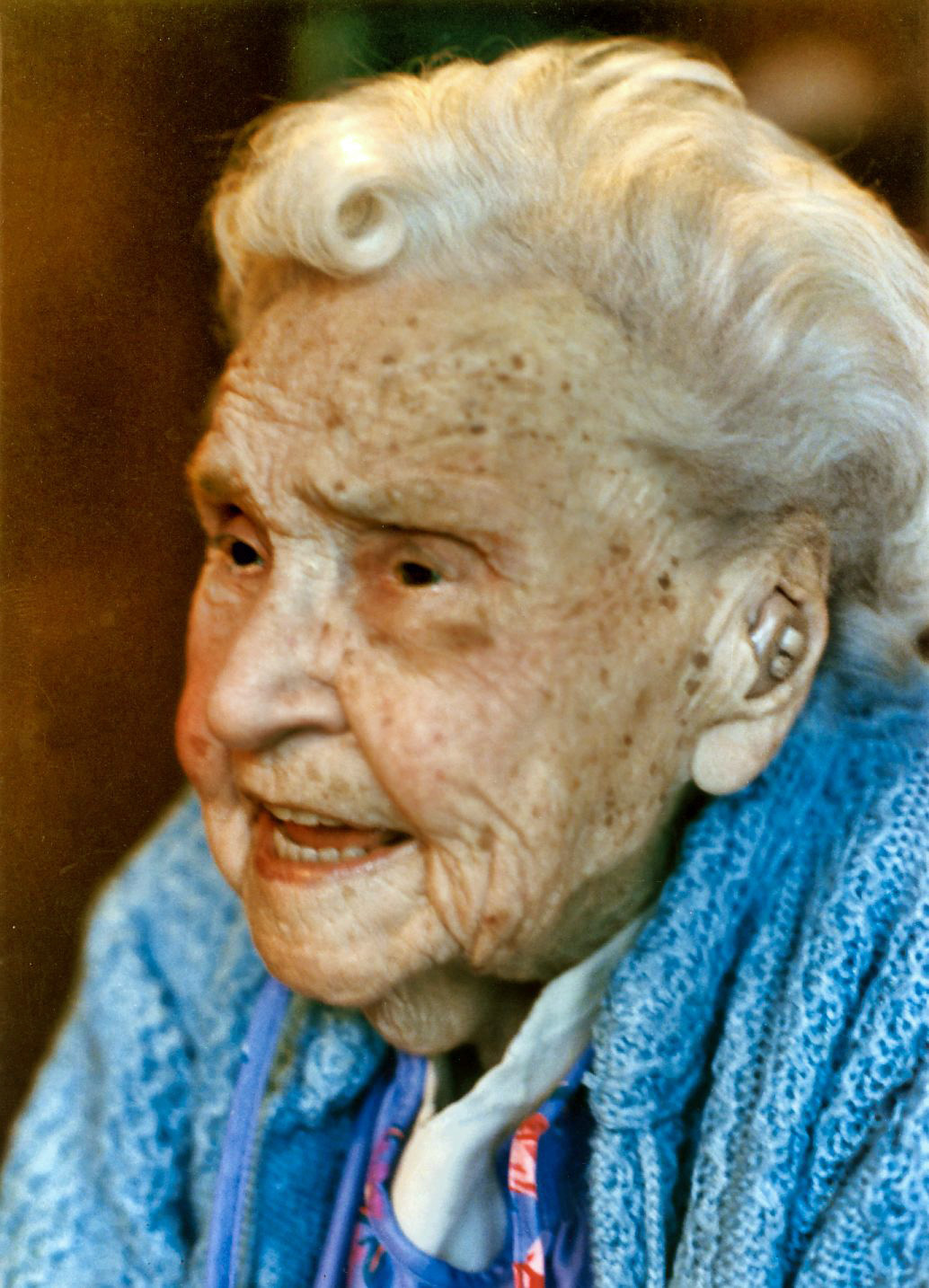
Both of my grandmothers and my mother-in-law lived well into their nineties and beyond, while my father and grandfathers all died before reaching elderhood. As a result, I approached my senior years with several helpful examples of women aging gracefully, but no comparable male examples to guide me into this largely uncharted territory.
I have therefore had to search for information, observe others, and find guides of my own. Having traveled far enough down this road myself, I believe I have now lived long enough to have earned the opportunity to serve as a guide for others.
As a Life Stage Relationship Coach, I work with individuals and couples navigating the final chapter of life—retirement, aging, changing relationships, and ultimately, death.
When I was younger, my grandmother would sometimes tell me, “You’ll understand when you’re older.” Her words frustrated me then. Now I understand what she meant. The perspective from the later stages of a journey can be vastly different from the perspective at the beginning. It is not that one perspective is right and the other wrong; rather, different stages of life call for different understandings, expectations, and strategies.
I bring that perspective and empathy to my work. Relationship coaching can help people improve marital, family, friendship, and workplace relationships. Life-stage and transition coaching focuses more broadly on the challenges that accompany the different stages of life—from childhood and adolescence through young adulthood, the development of family and career, and finally the later years of adulthood. Each stage brings its own relationships, responsibilities, losses, opportunities, and questions about who we are and how we relate to others.
Although my present work is particularly focused on aging and the later stages of life, it is informed by more than 30 years of experience working with people facing a wide variety of problems and transitions. As a psychologist, I provided psychotherapy for a broad spectrum of concerns, ranging from the ordinary stresses of living to significant mental health problems. As a relationship coach, my work is different: I work with people who are seeking help with relationships, life transitions, and the challenges of living rather than treatment for mental health disorders.
My background as a Ph.D. psychologist brings to coaching the benefit of many years of education, clinical training, and practical experience understanding human behavior and relationships.
When I work with individuals, I help them develop a clearer understanding of themselves—their concerns, relationships, and recurring patterns of behavior—and explore more effective ways of improving their lives and relationships.
When I work with couples, my goal is to help them strengthen their relationship. I focus particularly on communication, conflict management and resolution, mutual problem-solving, and recognizing and replacing patterns of behavior that interfere with a healthy relationship.
When I work with families, I focus on family structure, roles, expectations, and patterns of interaction. I serve as both an observer and a facilitator, helping family members better understand one another and develop more effective ways of relating.
Central to all of this work is the relationship between coach and client. Knowledge and experience matter, but so do trust, warmth, respect, and the feeling that one has truly been heard. I try to establish that kind of working relationship with each person I see so that we can think together about the difficulties they face and the changes they would like to make.
I take my work seriously, and I enjoy it. At this stage of my own life, I continue to work primarily because I find the work satisfying and useful, and only secondarily because it supplements my income. I do my best to help clients feel comfortable, understood, and respected. I do not regard them as objects of treatment, but as people who have accumulated their own experiences, strengths, problems, and wisdom—and who hope that my experience and perspective may be of some help to them.
Perhaps that is what becoming a guide ultimately means. I do not have all the answers. But I have traveled a good distance down the road myself, and I may be able to help others find their way along it.
Can you tell us more about what you were like growing up?
I was born in 1942 in a suburb of Los Angeles. Soon afterward, World War II ended, and before long the baby boom began. There was a sense of relief and optimism among people of my parents’ generation, who had lived through both the Great Depression and World War II and were experiencing, for the first time in much of their lives, a period of relative peace and prosperity.
The country was also very different from the one we know today. The population was roughly half what it is now, and the world in which I grew up seemed considerably less crowded. My parents, and virtually everyone we knew, were working class, and most of the mothers in our neighborhood stayed home to raise their children.
On the surface, it appeared to be an ideal environment in which to grow up, and in many ways it was—certainly compared with what my parents’ generation had experienced. Beneath the surface, however, things were more complicated.
My mother, whose face had been badly scarred by severe acne during adolescence, grew up shy and insecure. Her anxiety increased as she grew older. My father’s absence while serving in the armed forces during my early years intensified that anxiety, and she became very protective of me—overprotective, from my point of view. I resented the restrictions she placed on me, and her constant hovering made me feel invaded rather than protected. We frequently locked horns, and our relationship remained combative until I left home and went to college.
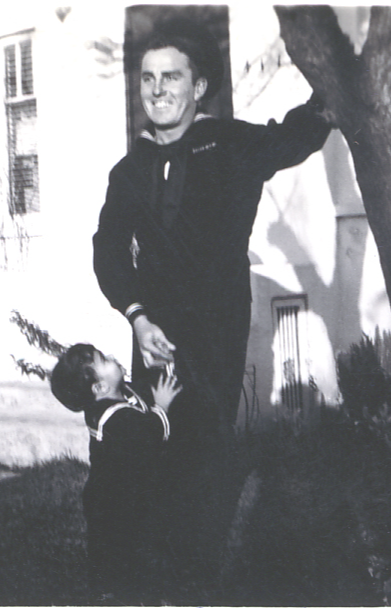
My relationship with my father, on the other hand, was warm, close, and supportive. He did not agree with my mother’s treatment of me, but he generally did not intervene, fearing that doing so would only create more conflict. He painted houses with my grandfather for a living, and as soon as I was old enough, I spent my summers working alongside the two of them. It was through those relationships that I began to develop confidence in myself and respect for my own abilities.
I played sports throughout elementary school and high school, and my father and grandfather regularly attended my games. Their presence mattered to me.
My father was short, and so was I. He therefore took particular pride and pleasure in the fact that my basketball coach regularly chose me for the jump ball that began the game. Opposing players often took one look at me and assumed I would be easy to beat. Some apparently thought they could tip the ball without even bothering to jump.
They were usually mistaken.
Like my father, I had thick, powerful legs, and I could jump. More often than not, I won the tip and sent the ball toward one of my teammates. I can still remember the pleasure my father took in watching his short son surprise them.
Looking back, I suspect those moments meant more to me than winning the jump ball. My father and grandfather believed in me, and through their confidence in me, I gradually learned to believe in myself.
Pricing:
- $200/hour (60″)
- $225/hr (60″) two people
- Fee negociable in cases where financial concerns prohibit treatment
Contact Info:
- Website: https://www.associatesatparkavenue.net/
- Facebook: https://www.facebook.com/terry.molnar.33